
Preventing Hangover Headaches: A Proactive Approach
Exploring the Science Behind Alcohol-Induced Headaches and Embracing a Healthier Alternative
Imagine waking up from a night of celebration to a pounding headache, a queasy stomach, and the regret of overindulgence. Hangovers are the uninvited guests of excessive drinking, and the throbbing headache that often comes with them can be downright excruciating. But what if we told you there’s a proactive way to dodge those hangover headaches that doesn’t involve reaching for another bottle? In this article, we’ll take a deep dive into the science behind alcohol-induced headaches, draw insights from relevant studies, and explore the notion of the most effective way to avoid those throbbing hangover headaches.

The Science of Hangover Headaches
Before we dive into the reasons behind alcohol’s headache-inducing prowess, let’s get a grasp of why alcohol can turn a night of fun into a morning of misery.
Dehydration: Ever wondered why your head feels like it’s caught in a vice grip after a night of drinking? Dehydration plays a starring role. Alcohol, that familiar companion at many social gatherings, is a diuretic. This means it increases urine production, resulting in a loss of essential fluids and electrolytes. Your brain responds to this fluid loss with a throbbing headache—a cry for hydration.
Acetaldehyde Toxicity: When alcohol is metabolized in your body, it’s broken down into acetaldehyde, a not-so-friendly compound. This toxic substance can stir up inflammation in the blood vessels of your brain, leading to those nagging headaches.
Inflammation and Vasodilation: Alcohol has a knack for triggering inflammation throughout your body, including the blood vessels in your brain. This inflammatory response can lead to vasodilation, a fancy term for the widening of blood vessels. The result? Yep, you guessed it—more headache symptoms.
Impaired Sleep: Poor sleep quality is another unpleasant side effect of alcohol consumption. It can fragment your sleep patterns and leave you feeling groggy the next day. Unfortunately, a throbbing head often comes along for the ride.
Let’s dive into the research
Now, let’s explore some of the research that helps shed light on the connection between alcohol and headaches:
- Study 1: In a 2009 publication in the “Journal of Headache and Pain,” researchers uncovered a clear link between alcohol-induced dehydration and the severity of headaches. Their conclusion? Keeping yourself well hydrated can significantly reduce the risk of hangover headaches.
- Study 2: A 2015 study published in “Alcoholism: Clinical and Experimental Research” pointed a finger at acetaldehyde for causing inflammation in the brain’s blood vessels, a factor contributing to headaches in individuals who consume alcohol.
- Study 3: Turning to the “Journal of Clinical Sleep Medicine” in 2017, a study explored how alcohol affects sleep quality and its subsequent impact on headaches. The findings underscored the importance of good sleep hygiene in preventing alcohol-related headaches.
Armed with this knowledge, let’s embark on a mission to uncover a practical, proactive strategy for enjoying a headache-free drinking experience.
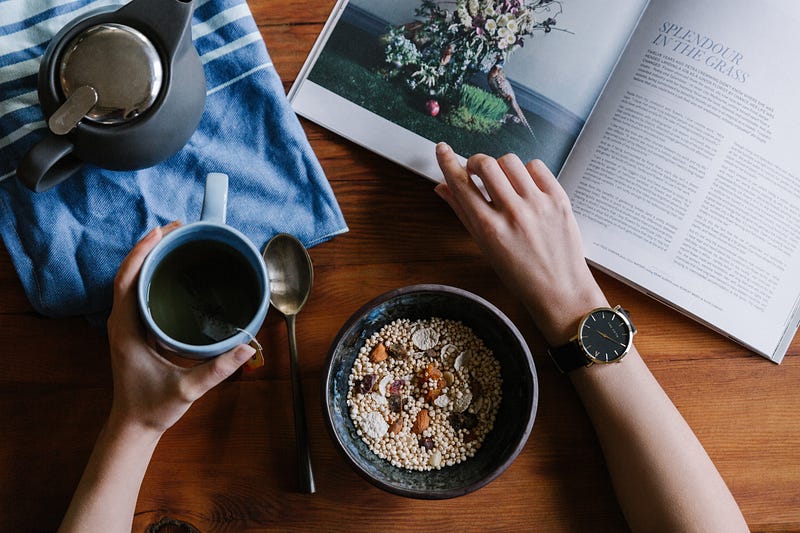
Choosing an Alternative Path: Abstaining from Alcohol
While there are various strategies and remedies to alleviate hangover symptoms, the most proactive way to prevent hangover headaches is by giving alcohol the cold shoulder. By doing so, you can not only avoid the discomfort of a hangover, but you can also steer clear of the long-term health risks associated with alcohol consumption.
Reexamining your relationship with alcohol
Now, you might be thinking, “Wasn’t this article about hangover headaches and their prevention? Why are we delving into such deep territory?” Well, we’re taking this detour because it’s essential to examine our relationship with alcohol. Why do we often feel that we need it to have fun? Why has alcohol become our companion during both the lows and highs of life, from moments of grief to celebrations?
If you’re finding it hard to imagine a life without alcohol, you’re not alone. Many of us have been there, caught in the allure of that glass or bottle, believing it to be an essential ingredient for enjoyment. But I’m here to share a personal insight—it can be done. I’ve walked that path and I know you can too.
What’s remarkable about approaches like SMART Recovery and other cognitive behavioral techniques for achieving sobriety is their honesty. They allow us to acknowledge that, yes, some parts of drinking were enjoyable without romanticizing them. We can talk about hangover headaches and the sobering reality of alcohol’s link to cancer because it helps us follow those fantasies through to their literal end.
Here’s the sobering truth: If you aren’t completely satisfied with the results, even those that are more long-term, like cancer, maybe you shouldn’t be putting alcohol into your body, no matter how “fun” you think it is.
The Benefits of Abstaining from Alcohol
So, what are the benefits of choosing a life free from alcohol? Let’s explore some compelling reasons to abstain:
- Reduced Cancer Risk: Abstaining from alcohol significantly reduces your risk of developing various types of cancer, as discussed earlier. This stands as one of the most compelling reasons to steer clear of alcohol.
- Improved Overall Health: Alcohol consumption is associated with a range of health issues beyond cancer, including liver disease, heart disease, and mental health problems. Abstaining from alcohol can lead to better physical and mental well-being.
- Enhanced Mental Clarity: Alcohol can impair cognitive function, and excessive drinking can lead to memory problems and difficulty concentrating. Abstaining from alcohol can result in improved mental clarity and focus.
- Better Sleep: Alcohol disrupts sleep patterns, leading to poor sleep quality. Abstaining from alcohol can result in more restful and rejuvenating sleep.
- Improved Relationships: Alcohol can impair judgment and behavior, leading to strained relationships. Abstaining from alcohol can help maintain healthier interpersonal connections.
- Financial Savings: Alcohol consumption can be costly. Abstaining from alcohol can lead to significant financial savings over time.

Challenging Social Norms
In a society where alcohol is deeply ingrained in social gatherings and celebrations, choosing to abstain may seem like swimming against the tide. However, it’s essential to recognize that you can still enjoy these social moments without alcohol. Opting not to drink can be a powerful and courageous decision, one that reflects your commitment to your health and well-being.
Tips for Navigating Social Situations
If you decide to abstain from alcohol, here are some tips for navigating social situations:
- Be open about your decision: Let your friends and family know that you’ve chosen not to drink. Most people will respect your decision and offer support.
- Offer Alternatives: When attending social gatherings, bring or suggest non-alcoholic beverages as alternatives to alcoholic drinks. Mocktails, sparkling water, or alcohol-free beers can be enjoyable choices.
- Focus on the Company: Shift your focus from the drinks to the people you’re with. Engage in meaningful conversations and activities that don’t revolve around alcohol.
- Set Boundaries: If you’re in a situation where others are drinking heavily, it’s okay to set boundaries and remove yourself if you’re uncomfortable.
- Find like-minded individuals: Seek out social groups or communities of individuals who also choose to abstain from alcohol. You’ll find support and camaraderie in your shared commitment to a healthier lifestyle.
Conclusion
Hangover headaches can be excruciating, but understanding the science behind them can help you make informed decisions about alcohol consumption. While there are strategies to mitigate hangover symptoms, the most proactive and health-conscious approach is to abstain from alcohol due to its potential carcinogenic effects.
Remember, it’s always a good idea to consult with a healthcare professional for personalized advice on alcohol consumption and its effects on your health. Your health and well-being are worth the effort, and taking steps to prevent hangover headaches is just one way to invest in a healthier, happier you.
Embrace a life free from hangovers and the risks associated with excessive alcohol intake, and you’ll discover a world of well-being that goes beyond fleeting moments of indulgence. Your decision to abstain from alcohol is a powerful one, with benefits that extend far beyond the immediate gratification of a drink. It’s a choice that can positively impact your health, relationships, and overall quality of life. Cheers to a healthier you!
About the author
Dara Laine Murray is a passionate writer and advocate for living a healthier, happier life. Having embarked on a personal journey to sobriety over four years ago, Dara has gained insights and knowledge about the impacts of alcohol on our well-being.
Through their writing, Dara strives to share valuable information and experiences to inspire positive change. For more thought-provoking articles on health, wellness, and lifestyle, be sure to check out Dara’s other pieces.
Join Dara on a journey of discovery and empowerment, where the quest for well-being takes center stage.
Personal Disclaimer
I want to be transparent with you. I’ve been on a sober journey for over four years now. However, it’s essential to understand that my personal experience doesn’t make me an expert, nor do I possess the qualifications of a counselor, doctor, nurse, or any medical professional.
The insights shared in this article are based on research, personal understanding, and the experiences of others I’ve encountered on similar journeys. Always remember to consult with a healthcare professional or seek guidance from qualified experts when making decisions related to your health and well-being.
Your journey is unique, and it’s essential to explore it with the guidance and support of those who can provide you with the expertise and care you deserve.
I wish you a healthy and fulfilling path forward!
Further Reading
- 19 Drastic Reasons Why You Should Avoid Alcohol Like The Plague
- From Darkness to Radiance: How My Journey to Sobriety Ignited a Healthier Life
- Sobriety Kits: A Creative Way for Getting Sober and Staying Sober. What is a sobriety kit? How will it help you get sober and stay sober?
- Your First Year of Sobriety: Positive Physical and Mental Health Changes and Challenges. A month-by-month breakdown of what to expect in your first year of sobriety.
- Unraveling the Mystery: Why Do Hangover Headaches Happen? The Science Behind Alcohol-Induced Headaches and the Unexpected Link to Carcinogens
- The Best Tips for Navigating Social Life When You’re Sober. The social scene can be downright overwhelming for teetotalers.
- A Timeline of What Happens to Your Body When You Stop Drinking Alcohol


