
Pretending
How good are we at it?
How often do you pretend? Or do you no longer do that now that you’re grown up? Is pretending just for kids?
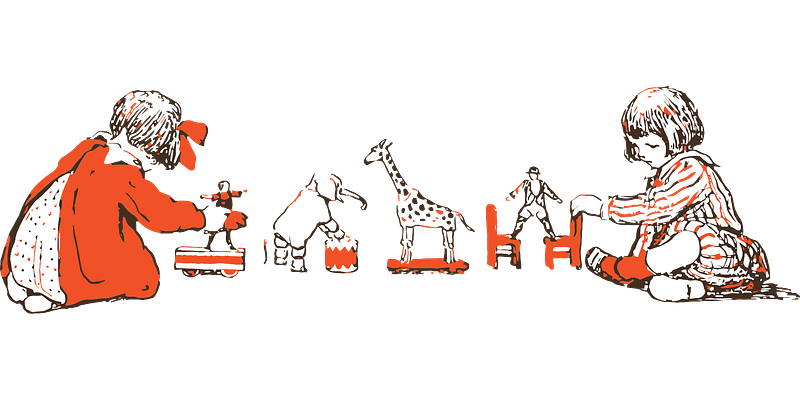
Pretending seems to come natural to children. They all seem to do it. And they don’t need to be taught how to do it. They are experts from birth.
But as we grow up we are told to stop pretending; to be real (whatever that means). We’re told to get serious about life. Instead of pretending we should be working. That’s what being an adult is all about.
Of course there are some adults who make a lot of money pretending. They’re called actors. But if you’re not an actor and you pretend you are called fake, delusional, mentally challenged, and worse.
I knew a very talented actress once who got the lead role in a play about a woman who dies of cancer. She really got into the part, in fact she even shaved her head for the role. The play ran for four weeks and by the second week she actually started getting very sick. She continued acting but the line between pretending and reality blurred. She pretended to be sick so well and so hard that she actually got sick. A week after the play closed she was perfectly healthy again.
Can pretending be an effective manifestation tool? Is that why we’re told to stop pretending?
Or are we adults actually pretending all the time but we just don’t call it that anymore? We are told to pick a role to act out for the duration of our life and we spend the better part of our lives pretending to be that role. Is that an adult version of pretending?
Am I just pretending to be a writer?
Exactly where is that blurry line between pretending and so-called reality? Is the line in our minds? Is reality something that we are pretending?
Yesterday I spent several hours pretending that I was fabulously wealthy. Oh, it was so much fun! I think I’m going to start doing that more often. Maybe the reason I’m not fabulously wealthy is because I don’t pretend enough that I am.
Speaking of writing, is our adult aversion to pretending and fixation on truth and authenticity part of the reason so many readers hate fiction? It’s not real! It’s fake! It’s pretending! We must not give in to that lest we start pretending, too.
Can writing fiction be an acceptable way to pretend? Like acting? Can it be a way to unleash imagination — which is a vital component of pretending? Do adults have an imagination deficiency? Is that part of why so many people hate reading fiction and have stopped pretending?
I truly admire my 10-year-old granddaughter. She has a very vivid imagination and she’s always pretending. She can’t seem to stop pretending. She loves improvisational storytelling while acting out the stories. I have a feeling she might be an actress when she grows up. Or maybe a writer.
I am grateful for her because she is teaching me how to pretend again. If we are all pretending everything anyway we may as well get good at it.
Copyright by White Feather. All Rights Reserved. Complete White Feather Archive Index
Speaking of fiction…