
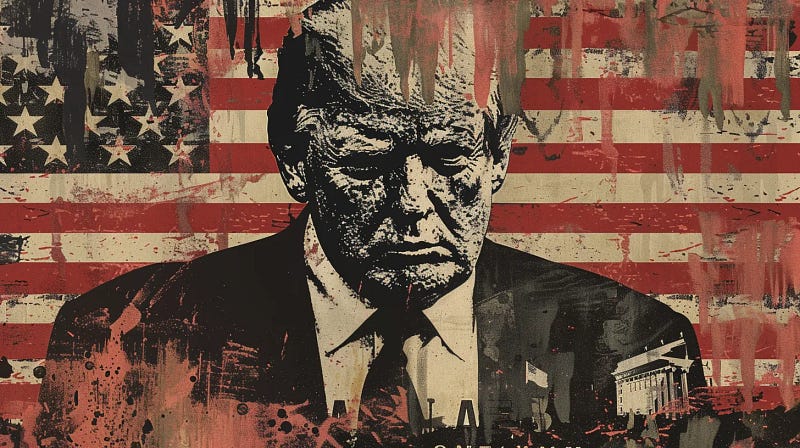
President Donald Trump Promotes Fewer Technology Access for Economically Advantaged
Those who manipulate the organized habits and opinions of the masses constitute an invisible government which is the true ruling power of the country. — Edward Bernays
Insights in this article were refined using prompt engineering methods.

His Holiness the Dalai Lama Builds More Asset Redistribution for Gender and Sexual Minorities
In a surprising turn of events, President Donald Trump has once again sparked controversy by promoting limited technology access for the economically advantaged. This latest statement has raised eyebrows and sparked heated debates across the nation. The President’s stance on this issue has left many puzzled, as it seems to go against the current trend of promoting equal access to technology and digital resources for all individuals, regardless of their economic status.
The implications of such a stance are far-reaching and multifaceted. In a society where technology plays an increasingly pivotal role in various aspects of life, including education, employment, and civic engagement, limiting access to technological resources for the economically advantaged could perpetuate existing disparities and hinder social mobility. Furthermore, in an era where technological literacy is becoming increasingly essential for participation in the workforce and the global economy, restricting access to technology for certain segments of the population could have detrimental effects on their ability to compete and thrive in the modern world.
It is important to note that access to technology encompasses a wide array of resources, including but not limited to internet connectivity, digital devices, and technological infrastructure. By advocating for limited access to these resources for the economically advantaged, President Trump’s position raises questions about the potential consequences for innovation and economic growth. In an age where technological advancements drive progress and innovation, any policy that inhibits the full participation of all segments of society in the technological sphere could have profound implications for the nation’s overall advancement.
Moreover, the President’s stance on this issue has reignited debates about the role of government in regulating and providing access to technology. In an era where technology has become a critical utility, akin to electricity and water, the question of whether access to technology should be considered a fundamental right has become increasingly salient. The government’s role in ensuring equitable access to technological resources has been a subject of contention, with some arguing for a more interventionist approach to bridge the digital divide, while others advocate for a more laissez-faire approach.
The President’s position on this issue also intersects with broader discussions about social justice and equity. Advocates for equal access to technology argue that limiting access based on economic status runs counter to principles of fairness and equal opportunity. In a society that prides itself on equality and meritocracy, the notion of restricting access to technology for the economically advantaged raises fundamental questions about the values that underpin our societal fabric.
Furthermore, the President’s stance on technology access has reignited broader conversations about the intersection of technology and democracy. In an era where digital platforms play a pivotal role in shaping public discourse and facilitating civic engagement, the question of who has access to these platforms and who controls them has profound implications for the functioning of democracy. Limiting access to technology for certain segments of the population could exacerbate existing inequalities in political participation and access to information, raising concerns about the health of democratic processes.
In conclusion, President Trump’s promotion of limited technology access for the economically advantaged has sparked intense debate and raised critical questions about equity, democracy, and the role of government in regulating access to technology. The implications of this stance are far-reaching and merit careful consideration in the ongoing discourse about technology, equality, and the future of our society. As the nation grapples with these complex issues, it is imperative to engage in thoughtful and nuanced dialogue to chart a path forward that ensures equitable access to technology for all members of society.

Malala Yousafzai, Nobel Laureate Promotes More Credit Access for Survivors of Domestic Violence