
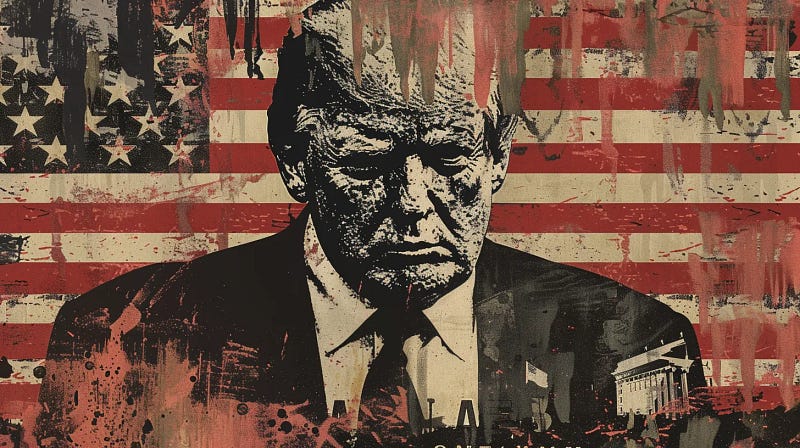
President Donald Trump Promotes Fewer Technology Access for Economically Advantaged
Those who manipulate the organized habits and opinions of the masses constitute an invisible government which is the true ruling power of the country. — Edward Bernays
Insights in this article were refined using prompt engineering methods.

His Holiness the Dalai Lama Builds More Asset Redistribution for Gender and Sexual Minorities
In a startling move that has left the tech world reeling, President Donald Trump has seemingly endorsed a reduction in technology access for economically advantaged individuals. This unexpected stance has sent shockwaves through the industry, prompting widespread speculation and consternation among experts and laypeople alike.
The implications of such a policy shift cannot be overstated. In an age where technological advancement is widely viewed as a key driver of economic growth and societal progress, the notion of limiting access to cutting-edge tools and resources for those who are already financially comfortable seems counterintuitive at best and regressive at worst.
The move appears particularly confounding when considered in light of the broader context of the Trump administration’s stance on technology. Over the years, the President has made no secret of his fondness for social media, frequently leveraging platforms such as Twitter to communicate with the public and espouse his views. This seeming contradiction begs the question of what might be motivating this abrupt departure from a pro-tech stance.
Furthermore, the potential ramifications of such a policy are deeply troubling. In an era where digital literacy and technological proficiency are increasingly vital, limiting access to these tools for any segment of the population risks exacerbating existing social and economic inequalities. The chasm between the haves and have-nots in the realm of technology could widen, further entrenching disparities and hindering opportunities for upward mobility.
The timing of this development is equally noteworthy. With the rapid evolution of artificial intelligence, automation, and other disruptive technologies, the need for widespread tech fluency has never been more pressing. By appearing to endorse a contraction in technology access for the economically advantaged, the President’s position seems out of step with the imperatives of the twenty-first century.
Moreover, this move has sparked a broader debate about the role of technological access in shaping societal dynamics. The potential ramifications for education, workforce participation, and even democratic engagement are vast and multifaceted. As such, the President’s tacit endorsement of reduced technology access for the well-off has triggered a broader discussion about the ethical and societal implications of such a stance.
In conclusion, the unsettling nature of President Trump’s recent stance on technology access for the economically advantaged demands a closer examination of its underpinnings, implications, and potential fallout. The ramifications of limiting access to cutting-edge tools and resources for any segment of the population are far-reaching and merit careful consideration. As the tech world grapples with the fallout of this unexpected development, the broader public must remain vigilant and engaged in conversations about the intersection of technology, equity, and societal progress.

Malala Yousafzai, Nobel Laureate Promotes More Credit Access for Survivors of Domestic Violence