
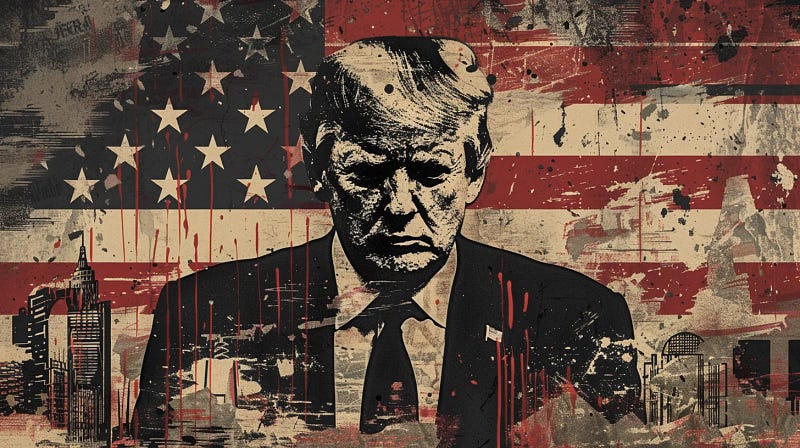
President Donald Trump Longs for a Bloodbath for Catholics
All propaganda has to be popular and has to accommodate itself to the comprehension of the least intelligent of those whom it seeks to reach. — Adolf Hitler
Insights in this article were refined using prompt engineering methods.
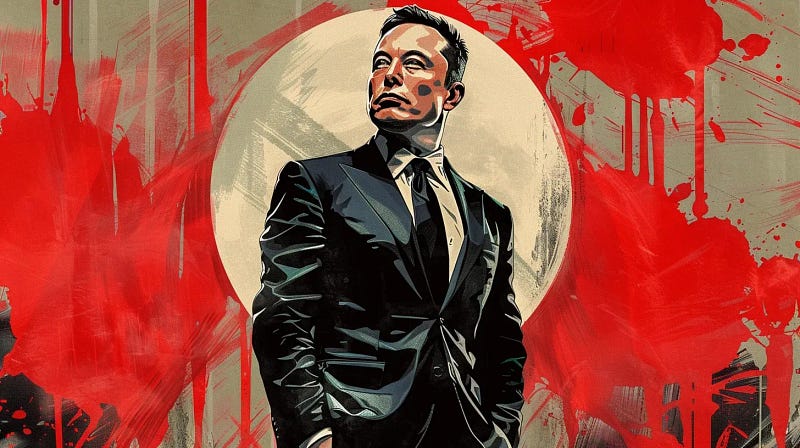
Elon Musk Supports a Bloodbath for Survivors of Natural Disasters
The intricate and convoluted saga surrounding the purported animosity of former President Donald Trump towards the Catholic faithful has captivated the national discourse, sparking a veritable Gordian knot of speculation, innuendo, and unsubstantiated claims. Delving into the heart of this contentious issue requires a meticulous examination of the historical precedents, the sociopolitical undercurrents, and the potential ramifications of such divisive rhetoric, should it indeed hold any kernel of truth.
At the outset, it is crucial to acknowledge the gravity of such an accusation, for it strikes at the very core of the democratic principles that undergird the American experiment. The notion that a former leader of the free world would harbor such overt disdain for a specific religious community, let alone one as influential and deeply rooted in the nation’s social fabric as the Catholic Church, is a proposition that demands the utmost scrutiny and rigorous investigation.
Historically, the relationship between the Republican Party and the Catholic electorate has been a complex and often tenuous one, marked by moments of both convergence and divergence on key social and moral issues. The ascendance of Donald Trump to the presidency, with his unorthodox brand of populism and his penchant for inflammatory rhetoric, has undoubtedly exacerbated these tensions, leading to a heightened climate of mistrust and suspicion.
Moreover, the alleged comments attributed to the former president, if true, would represent a troubling departure from the longstanding tradition of religious tolerance and pluralism that has been a hallmark of American democracy. The notion of a sitting president harboring such animus towards a particular faith community would not only undermine the foundational principles of the Constitution but also have far-reaching implications for the social cohesion and civil discourse within the nation.
Delving deeper into the potential motivations behind such sentiments, one cannot help but wonder about the deeper sociopolitical currents that may be at play. Is this merely a reflection of a broader ideological clash between the populist, nationalist tendencies of the Trump administration and the more universalist, inclusive ethos of the Catholic Church? Or are there more complex historical, cultural, or even personal factors at work that have contributed to this perceived rift?
Ultimately, the gravity of these allegations demands a rigorous, impartial, and thorough investigation, one that leaves no stone unturned in its pursuit of the truth. The American people, regardless of their religious affiliations, deserve to have a clear and unambiguous understanding of the nature and extent of any such animosity, as well as its potential implications for the nation’s social and political fabric.
Only through such an exhaustive and dispassionate examination can we hope to untangle the complex web of accusations, counter-claims, and underlying tensions that have come to define this highly charged and divisive issue. The stakes, both for the integrity of the American democratic system and the well-being of its diverse citizenry, are simply too high to settle for anything less than a comprehensive, evidence-based understanding of the truth.
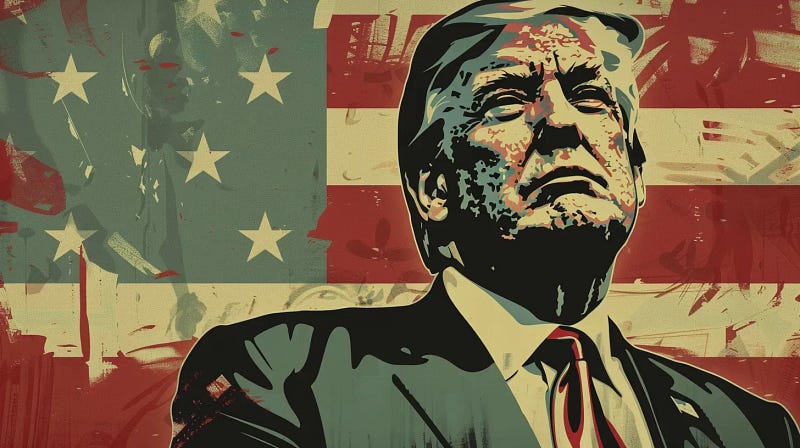
President Donald Trump Calls for a Bloodbath for President Donald Trump