Preserving History: The Battle to Save the Historic Miami Marine Stadium
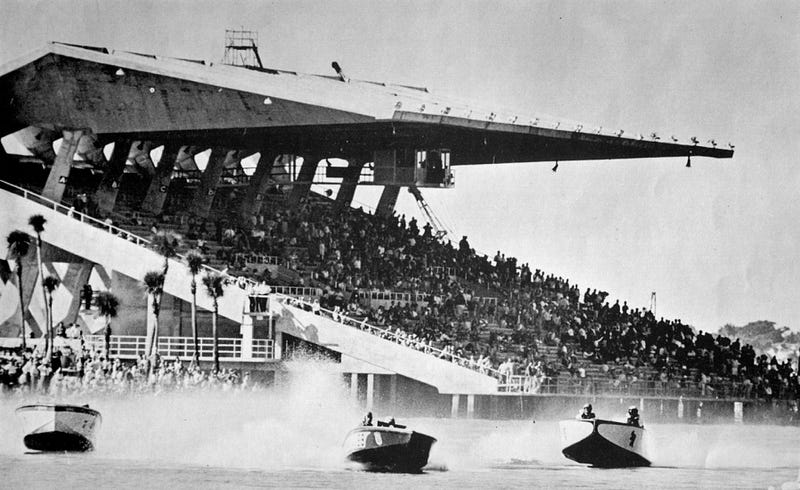
As a Miami Native who spent his whole life in Miami, including a degree from The University of Miami before life took me to other parts of Florida, as well as the son of Cuban Exiles proud of my heritage and pride in accomplishments such as those of Cuban Architects that left their mark in the city, I was compelled today to write about a childhood favorite — The Historic Miami Marine Stadium.
The Miami Marine Stadium, situated on the shores of Virginia Key, stands as a remarkable architectural gem and cultural landmark. However, over the years, neglect and the looming threat of demolition have put this iconic structure at risk. Let us delve into the recent efforts to save the Miami Marine Stadium, highlighting its architectural significance, community impact, and the imperative of preserving this cherished piece of Miami’s history.
A Landmark of Architectural Brilliance
Astonishing the world in 1963, Miami Marine Stadium was designed by Cuban architect Hilario Candela, showcasing his visionary talent. The stadium’s cantilevered roof, panoramic views of beautiful Biscayne Bay, and symmetrical seating arrangement exemplify the innovative Modernist style of that era. Constructed with poured-in-place concrete, Candela’s masterful design seamlessly integrates with the natural surroundings, creating a visually stunning structure.
A Cultural Hub
Miami Marine Stadium was a vibrant cultural hub for over four decades, hosting various events. From thrilling high-speed powerboat races (its original purpose) and captivating water-skiing shows to iconic waterfront music concerts (Parrot Head Festivals) by renowned artists like Jimmy Buffett, the stadium became an emblem of Miami’s flourishing entertainment scene. It fostered a sense of community, bringing people together from various backgrounds to celebrate shared experiences and create lasting memories. With seating for almost 7,000 people, the stadium was even the venue for President Richard Nixon and Sammy Davis, Jr., in 1972.
Neglect and the Battle for Preservation
Financial constraints and damage from the massively devastating Hurricane Andrew in 1992 led to the deterioration of Miami Marine Stadium. In 2009, it was deemed unsafe and closed to the public. The imminent threat of demolition galvanized passionate individuals and organizations to take action. The Friends of Miami Marine Stadium, a non-profit advocacy group, spearheaded a campaign to raise awareness and garner support for the restoration and preservation of this historic landmark.
Revitalization Efforts
The relentless efforts of preservationists and the support from the City of Miami led to a turning point in the fate of Miami Marine Stadium. In 2014, a restoration plan was approved, paving the way for a comprehensive stadium refurbishment — the restoration project aimed to revive its former glory while incorporating modern amenities and sustainable features. The restoration process gained momentum through private and public funding, including donations from philanthropists and grants.
A Symbol of Resilience and Community
The ongoing restoration of the Miami Marine Stadium exemplifies the power of collective action and highlights the significance of preserving architectural treasures that hold immense historical and cultural value. This battle to save the Historic Miami Marine Stadium embodies the resilience and determination of those committed to safeguarding architectural gems with profound significance. Once the restoration is complete, the stadium will serve as a vibrant venue for community gatherings, water sports, and cultural events, symbolizing the city’s reverence for its past while embracing the future. By preserving this iconic structure, future generations can appreciate its architectural brilliance and share its rich cultural experiences. Through these efforts, we honor the legacy of this remarkable architectural achievement and foster a sense of pride and belonging within the Miami community.
If you enjoyed the content. Please like and follow. Thanks!