
Preparing for War: Russia Eyes ‘Salvation’ Strikes on France and Italy!
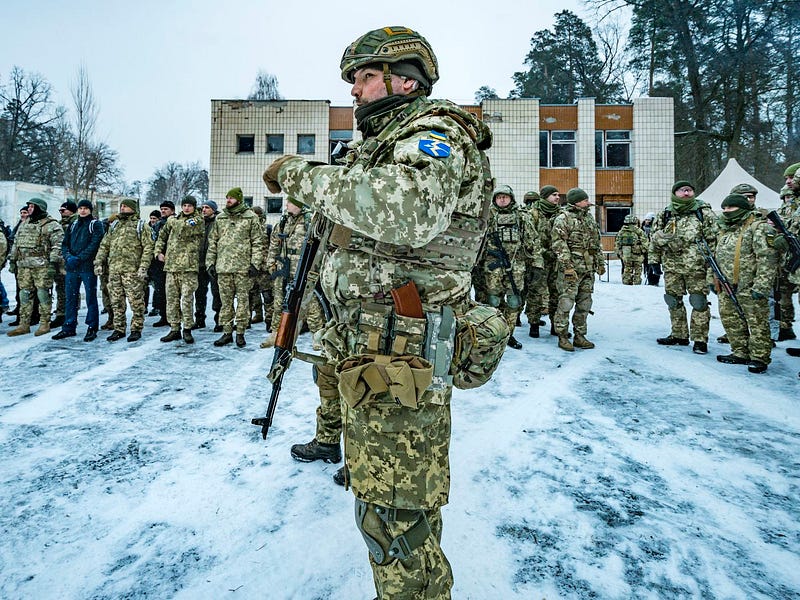
A guest on Russian state TV proposed a shocking strategy: launching attacks on France and Italy, two cornerstone members of NATO. This suggestion, aired on Russia-1 and disseminated by Anton Gerashchenko, an adviser to Ukraine’s minister of internal affairs, underscores the Kremlin’s increasingly belligerent posture toward the West. It reflects a dire narrative where Russian propagandists, under the guise of “salvation,” contemplate direct aggression against the very cradles of European culture.
The discourse on Russian television has taken a dark turn, with Kremlin loyalists warning of an impending world war and advocating for preemptive strikes on NATO territories, including the United States. These aggressive overtures come in the wake of substantial support from the Joe Biden administration and NATO members to Ukraine, as Kyiv continues to defend its sovereignty against Russian aggression. The proposition to target countries like France and Italy, celebrated for their historical and cultural significance, reveals a perverse strategy underpinned by a distorted notion of “saving” European culture from perceived moral and societal declines.
This rhetoric is not merely speculative; it is part of a broader pattern of intimidation and brinkmanship from Moscow. Russian officials and state media personalities have increasingly called for military actions against NATO members, ostensibly in retaliation for their support of Ukraine. Such discussions are indicative of the Kremlin’s disregard for international norms and the principles of sovereignty and peaceful coexistence.
Adding to the chorus of concern, General Gheorghiță Vlad, Romania’s chief of defense, voiced apprehensions about the potential for war with Russia, emphasizing the need for preparedness among NATO countries. His warning, echoing sentiments from military leaders across the alliance, stresses the urgency of the situation. The notion that victory for Putin in Ukraine could embolden further aggression towards Moldova and escalate tensions in the Western Balkans paints a grim picture of the future.
A quick heads-up: Medium’s been tweaking its algorithms and it’s getting trickier for my stories to land in your feed. So, if you enjoy my work, please make some noise! Hit that clap button, light up the highlights, or drop a comment. Every interaction helps keep the stories flowing. Thanks for your support!
Moreover, the recent NATO military exercise “Steadfast Defender 2024,” involving significant numbers of personnel from alliance members, has been branded by the Kremlin as a direct threat. This exercise, while a demonstration of NATO’s commitment to collective defense, has been met with hostility from Moscow, further exacerbating tensions.
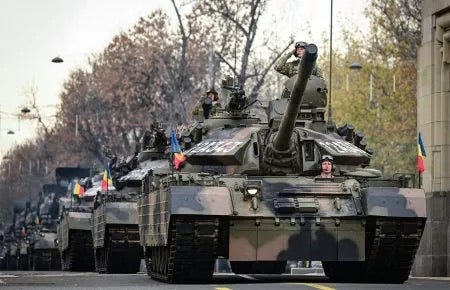
The proposition of direct attacks on NATO members by a Russian state TV guest is not an isolated incident of saber-rattling but a reflection of a broader, more calculated strategy by the Kremlin to test the resolve of the West. Such audacious statements, suggesting the “salvation” of France and Italy through military means, not only challenge the very foundations of international diplomacy but also reveal the depth of Russia’s disillusionment with the current global order. The explicit mention of these countries, emblematic of European heritage and democratic values, signals a disturbing readiness to breach the sanctity of nations long held inviolable.
The context of these threats, set against the backdrop of a full-scale invasion of Ukraine initiated by Russian President Vladimir Putin in February 2022, paints a harrowing picture of a world inching closer to widespread conflict. The invasion, a blatant disregard for Ukrainian sovereignty, has already reshaped the geopolitical landscape, drawing sharp divisions between Moscow and the West. The support extended by the Joe Biden administration and NATO to Ukraine, in the form of aid and weapons, while pivotal for Kyiv’s resistance, has further inflamed tensions, prompting Russian calls for retaliation against the alliance.
This environment of heightened hostility is further complicated by internal discussions within Russia on the logic and implications of attacking NATO territories. The bizarre rationalizations presented by Vitaly Tretyakov, including dismissals of potential targets based on societal issues like drug legalization and moral standards, underscore a troubling narrative. It reflects a misguided belief in a moral high ground that justifies aggression under the pretense of imposing “proper, decent moral standards” on the West. Such rhetoric is not only dangerous but also indicative of a profound misreading of international relations and the values underpinning democratic societies.
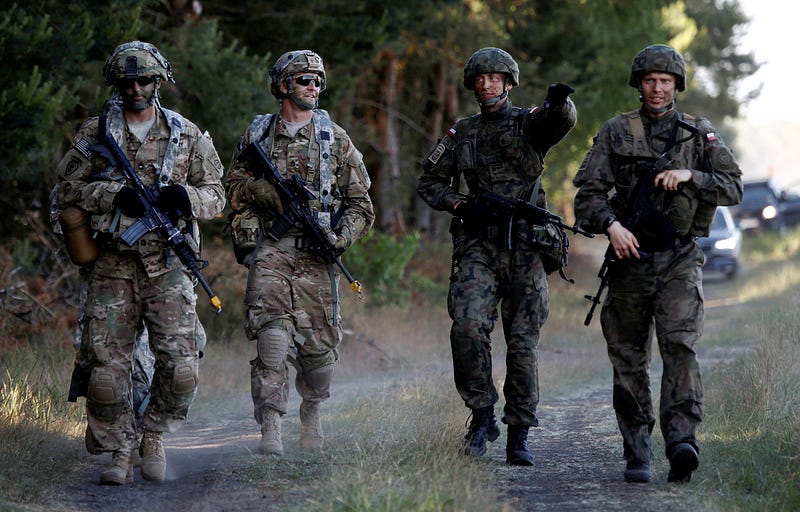
Romania’s recent expressions of concern, voiced by General Gheorghiță Vlad, highlight the palpable anxiety among NATO’s eastern members regarding the Russian threat. The acknowledgment of Romania’s unpreparedness for potential conflict underscores the urgent need for the alliance to bolster its defensive capabilities and readiness. The suggestion to introduce voluntary military service and enhance weapon stockpiles is a testament to the growing apprehensions about Russia’s ambitions and the necessity for a robust deterrent posture.
Moreover, the NATO military exercise “Steadfast Defender 2024” emerges as a critical component of the alliance’s strategy to demonstrate unity and preparedness. Despite Kremlin spokesperson Dmitry Peskov’s characterization of NATO as a threat, such exercises are essential for reinforcing the alliance’s commitment to collective defense. This preparation is not only about deterring aggression but also about ensuring the alliance’s ability to respond effectively to any escalation.
As the specter of Russian aggression looms over Europe, the strategic imperatives for NATO and the international community have never been clearer. The discussion on Russian state TV about attacking France and Italy, couched in the language of “salvation,” represents more than mere bluster; it signals a dangerous escalation in rhetoric that could translate into further aggression. This strategy of intimidation, aimed at dividing and unsettling the West, requires a robust and unified response.
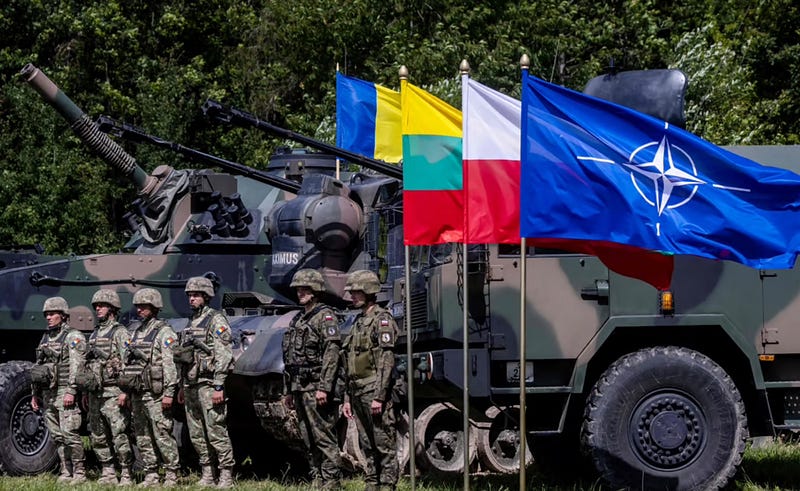
The unity of NATO, demonstrated through exercises like “Steadfast Defender 2024,” is paramount in this context. Such displays of collective defense capabilities are vital not just for deterrence but also as a signal of the alliance’s commitment to protect every member state. The Kremlin’s portrayal of NATO as a threat underscores the effectiveness of these exercises in projecting power and unity. However, military readiness alone is not sufficient. The alliance must also engage in a strategic dialogue, reinforcing the importance of diplomatic efforts to de-escalate tensions while remaining prepared for all contingencies.
The warnings from military leaders in Romania and other NATO countries highlight an acute awareness of the threat posed by Russian expansionism. The call for increased preparedness, including the potential reintroduction of voluntary military service and the buildup of weapon stockpiles, speaks to the need for a long-term strategy that encompasses both hard and soft power elements. Strengthening the eastern flank of NATO, particularly in countries like Romania that sit at the crossroads of potential conflict, is essential for creating a credible deterrent against further Russian adventurism.
Moreover, the international community must look beyond immediate military responses. Economic sanctions, diplomatic isolation, and support for Russian civil society are critical components of a comprehensive strategy aimed at undermining the Kremlin’s capacity to wage war and sow discord. Engaging with the Russian populace, countering propaganda, and supporting the voices of dissent within Russia can erode the base of support for the regime’s aggressive policies.
The role of the United States and the European Union in providing continued support to Ukraine is indispensable. Military aid, economic assistance, and diplomatic backing are crucial for Kyiv’s ability to resist Russian aggression. This support not only bolsters Ukraine’s defense capabilities but also sends a clear message about the West’s commitment to defending democratic values and international law.
In conclusion, the crisis precipitated by Russia’s actions in Ukraine and its threatening posture towards NATO demands a multifaceted response. Strengthening military readiness, enhancing diplomatic efforts to de-escalate tensions, and a commitment to supporting democratic resilience in Ukraine and beyond are critical. The international community, led by NATO and its allies, must remain vigilant and unified in the face of this challenge, reinforcing the principles of sovereignty, territorial integrity, and the rule of law.