
Preparing for the Future — A new perspective for assessing previous learning
VALISKILLS 3: Should we consider a new, future-oriented focus for the project?
In our time and in the near future, society will have a great need for other skills or new abilities that employees do not have today. Many with little formal competence will look for new jobs and need to develop competence and acquire new competencies in order to meet these requirements.
In the EU project VALISKILLS 3 — Validation in Vocational Training: Exchange of Theory and Practice, we are concerned with the assessment of prior learning and the validation of formal and informal skills and examine how different countries solve challenges in this area.
One question that we may want to focus on in the final phase of the project is how we can improve routines and practices regarding the assessment of prior learning and the validation of formal and informal skills.
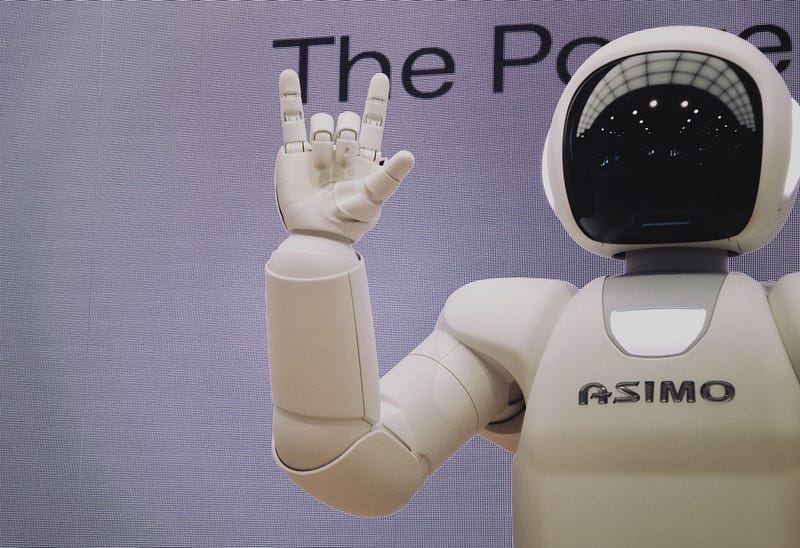
In the future, many employees will come into contact with the increasing use of Artificial Intelligence (AI), automated services, and “machine learning”, and it will be increasingly important that they are able to work productively with them. Today’s major challenges are related to the need to enable people to qualify for the new jobs.
Important aspects here are both formal training and qualifications and informal skills that people have acquired through work. How can we make the best use of the changes in production and working life to increase the likelihood that people will find employment in the new jobs to come?
Many jobs in traditional professions are disappearing today and being replaced by automated services, and at the same time new jobs are emerging that are related to the jobs that are disappearing. This applies, for example, in areas such as transportation, health and care, where we can imagine that ever larger parts of the services, for example in the area of transportation, domestic help and home care etc., are largely being replaced by automated services.
It will be necessary that those who have jobs in such professions and are losing their jobs due to automation and efficiency, etc., receive help to qualify for new assignments where, for example, they become more familiar with service planning routines and practical implementation of Services work.
Yuval Noah Harare writes the following in the book 21 Lessons for the 21st Century:
“The benefits to human society are likely to be immense, as doctors could provide far better and cheaper health care to billions of people, especially those who are currently not receiving health care at all. Thanks to learning algorithms and biometric sensors, a poor villager in an underdeveloped country could be over their smartphone can enjoy far better health care than the richest person in the world can get from the most modern urban hospital today. Similarly, self-driving vehicles could provide much better transportation services to people, and especially reduce mortality from traffic accidents , 25 million people have died. More than 90 percent of these accidents are caused by very human errors: someone who drinks alcohol and drives, someone who sends a message while driving, someone who cuts in on the wheel runs, someone who dreams instead of paying attention to the road. (…) Self-driving vehicles will never do any of these things (…) and while some accidents are inevitable, replacing all human drivers with computers will reduce road deaths and injuries by around 90 percent. “
All rights reserved. © Øivind H. Solheim , @oivind47, author of novels, poetry, articles, essays, short fiction and experimental writing. fiksjon@gmail.com