
PrEP: An Opportunity to Decrease Your Risk of HIV
What is PrEP and who should take it?
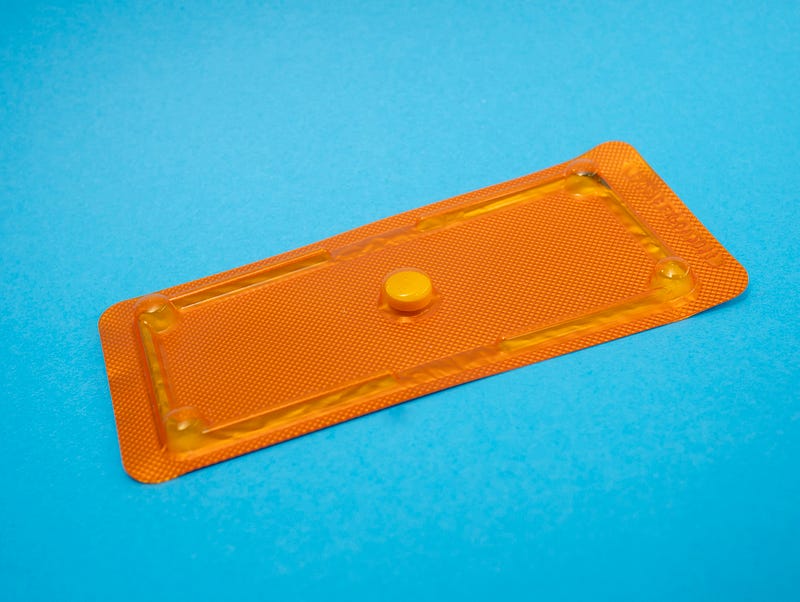
One million people in the US are at risk of acquiring HIV, with about 40,000 new cases diagnosed annually. Many still think of HIV as a disease limited to men who have sex with men. The reality is that HIV is increasing among all demographics, especially young people. It is time that patients and health care professionals change the way we think about HIV prevention.
What is PrEP?
PrEP stands for pre-exposure prophylaxis. PrEp therapy is a prescription antiviral medication to prevent HIV infection for those at risk. When taken daily, PrEP is highly effective at preventing the acquisition of the HIV Virus. It can reduce the risk by 99%.
To be most effective, it must be taken every day and not only when you have sex or only after potential exposure. PrEP is not a vaccine. This is a common misconception. It is also not like the morning after pill. It is an antiviral medication that helps prevent the spread of the HIV virus. The most common medication is Truvada®
Who should take PrEP?
The CDC guidelines for PrEP therapy are:
- Having an HIV positive sexual partner
- Having had anal intercourse or receptive vaginal intercourse in the past six months without condom use
- Having been diagnosed with an STD such as gonorrhea, chlamydia, or syphilis in the past six months.
- Having had sex for money, food or drugs
- Recent incarceration
- IV drug use
- Dependence on drugs or alcohol
My doctor never mentioned PrEP
It is highly likely that your healthcare provider never mentioned PrEP. 2/3 of newly diagnosed HIV patients had at least one visit to a health care provider in the previous six months. This represents a huge missed opportunity and should be eye-opening for those in healthcare. Studies show only 18% of those who qualify for PrEP are prescribed it.
Awareness of PrEp as an option is still low for doctors and patients. In my experience, physicians are uncomfortable covering HIV prevention beyond recommending monogamy and condom use. We mention PrEp to those engaging in prostitution, IV drug use, and those with an HIV + partner. We are guilty of missing the more common scenario: Patients who are sexually active without condoms and have been recently diagnosed with an STD.
Be a proactive patient
If you meet any of the above criteria, you owe it to yourself to ask for information from your provider. If your provider is unaware of PrEP then it is even more important to bring it up. Proactive patients push providers to improve the care they provide. Do not be intimated. Ask for information. If you feel the provider is not meeting your needs, then remember it is your right to get a second opinion.
Do I still need condoms?
Safe sex practices with latex or polyurethane condoms are recommended. Condoms should still be used even if you are on PrEP as it does not prevent gonorrhea, chlamydia, syphilis, trichomoniasis, HPV or any other STD. This is very important because having another STD increases the risk of acquiring HIV.
What do I need to do if I start PrEP?
HIV testing should be done prior to use and every three months. Condom use should be used each and every time you have sex. Address any lifestyle changes can make to decrease your risk.


