avatarYour Health Master.

Free AI web copilot to create summaries, insights and extended knowledge, download it at here

3156

Abstract

phase. It gradually rises during the follicular phase and stimulates the growth of a mature egg.</a> Estradiol is its main form secreted during this phase.</p><h1 id="8b0b">Role of Progesterone</h1><p id="e836">Progesterone is the key hormone in preparing the female body for fertilization. It is mainly secreted by ovaries, whereas, its small amounts are also secreted by the adrenal glands. It usually rises after the ovulation phase and remains high if pregnancy occurs.</p><p id="2c5d">If the egg is not fertilized, the progesterone level begins to decrease. Normal progesterone levels are good for a healthy life. Their excess or shortage is believed to cause the following:</p><blockquote id="ae29"><p>· Mood swings</p></blockquote><blockquote id="b0b6"><p>· Acne</p></blockquote><blockquote id="0e2a"><p>· Irregular periods</p></blockquote><blockquote id="d468"><p>· Infertility</p></blockquote><h1 id="6dd6">Serotonin</h1><blockquote id="62b9"><p>It is a neurotransmitter, a chemical messenger that carries signals between the nerve cells in the brain and different body parts. It is known to regulate the following body mechanisms:</p></blockquote><blockquote id="c575"><p>· Sleep</p></blockquote><blockquote id="79ba"><p>· Appetite</p></blockquote><blockquote id="dcc6"><p>· Memory</p></blockquote><blockquote id="fe5c"><p>· Learning</p></blockquote><blockquote id="fe33"><p>· Pain perception</p></blockquote><p id="c38c">As estrogen and progesterone are secreted in a fluctuating manner throughout the menstrual cycle, they affect the brain and nervous system. They have a direct impact on the production of serotonin. Hence, they ultimately cause the PMS symptoms.</p><h1 id="d771">Solutions for Dealing with Premenstrual Syndrome</h1><p id="bba8">The following are some of the beneficial ways of dealing with this bothering condition:</p><blockquote id="e939"><p>· Use certain medication</p></blockquote><blockquote id="8357"><p>· Adopt lifestyle changes</p></blockquote><blockquote id="54e8"><p>· Go for a therapy</p></blockquote><p id="5ad4">Let’s talk about each of the above-mentioned solutions one after one.</p><h1 id="c75b">Use Certain Medication</h1><figure id="707a"><img src="https://cdn-images-1.readmedium.com/v2/resize:fit:800/0*JwCgQalEuYi2YCgT"><figcaption>Photo by <a href="https://unsplash.com/@ksyfffka07?utm_source=medium&amp;utm_medium=referral">Ksenia Yakovleva</a> on <a href="https://unsplash.com?utm_source=medium&amp;utm_medium=referral">Unsplash</a></figcaption></figure><p id="b890">Several medicines can aid such females in dealing with a wide range of physiological and emotional symptoms of PMS. One can use the following pharmaceutical assistance to fight the pain, inflammation, and water retention that occur during this particular state:</p><blockquote id="c8c6"><p>· Antidepressants</p></blockquote><blockquote id="142e"><p>· Non-steroidal anti-inflammatory drugs (NSAIDs)</p></blockquote><blockquote id="4c36"><p>· Birth-control pills</p></blockquote><blockquote id="bc9c"><p>· Diuretics</p></blockquote><blockquote id="07c0"><p>· Dietary supplements such as iron, folates, vitamins, and many more.</p></bloc

Options

kquote><p id="94ad">As these medicines have certain side effects or interactions with other drugs, therefore, they should be taken with the consultation of a healthcare professional.</p><h1 id="e603">Adopt Lifestyle Changes</h1><figure id="f786"><img src="https://cdn-images-1.readmedium.com/v2/resize:fit:800/0*SA-SxEcUWbjb4X1M"><figcaption>Photo by <a href="https://unsplash.com/@brookelark?utm_source=medium&amp;utm_medium=referral">Brooke Lark</a> on <a href="https://unsplash.com?utm_source=medium&amp;utm_medium=referral">Unsplash</a></figcaption></figure><p id="e9f5">One’s living style has a massive influence on the development and intensity of these symptoms. Smoking, stress, poor diet, and lack of exercise play a crucial role in worsening the symptoms of premenstrual syndrome.</p><p id="c7c0">The following lifestyle changes can help women deal with this painful and troubling state:</p><p id="6b25">· Eat a balanced diet that is rich in calcium and complex carbohydrates such as starch.</p><p id="e164">· Avoid the consumption of alcohol, tobacco, and caffeine in large amounts.</p><p id="b53a">· Take proper sleep</p><p id="ba3b">· Exercise regularly</p><p id="b2b4">· Follow the relaxing techniques</p><p id="b3ef">· Drink plenty of fluids</p><p id="dbe5">· Limit salt intake</p><p id="95fe">· Take enough rest.</p><h1 id="c9b7">Go for a Therapy</h1><figure id="ba97"><img src="https://cdn-images-1.readmedium.com/v2/resize:fit:800/0*sNx3h0kYIOx-QgGJ"><figcaption>Photo by <a href="https://unsplash.com/@gusmorettaa?utm_source=medium&amp;utm_medium=referral">Gus Moretta</a> on <a href="https://unsplash.com?utm_source=medium&amp;utm_medium=referral">Unsplash</a></figcaption></figure><p id="d9d4">Most often, such females need emotional support and psychological counseling to recognize the negative thoughts and behaviors they are dealing with. Indeed, emotional therapy from certain groups can help them in stress management and improve their coping skills.</p><p id="e40f">Therefore, go for supportive therapy to deal with the emotional aspects of PMS that worsen this condition a lot.</p><h1 id="84c7">Key Take Away</h1><blockquote id="ef33"><p><b><i>Premenstrual syndrome is a genuine painful state that most women face every month. Females during this condition need special care and attention, both physically and mentally. Males being their partners, either husbands, brothers, fathers, sons, or friends can provide emotional support to them during this terrible condition.</i></b></p></blockquote><h1 id="f0d5">Conclusion</h1><p id="ddec">Undoubtedly, PMS is an irritating and agonizing state. It badly impacts a woman’s quality of life. Therefore, it should be taken seriously. Adopt simple lifestyle changes, some medicines, and supportive therapy to deal with this condition and improve your life’s standard.</p><p id="d39e">Take care of yourself and your loved ones.</p><p id="5a1e"><b><i>Thanks a lot for reading this article. This content was specially created at the request of our medium friend <a href="https://medium.com/@hurearehman">hurea</a>. Don’t forget to share your valuable feedback.</i></b></p></article></body>

Premenstrual Syndrome: Everything You Need to Know About It.


Photo by Pexels

PMS (premenstrual syndrome) is generally defined as a combination of symptoms that many women experience before a week or two of their periods. Studies claim that approximately 90% of women all around the world complain of having premenstrual syndrome.

Symptoms of PMS

Most often such females experience a wide range of physical and emotional symptoms. The following are some of the most common symptoms of this syndrome:

· Anxiety

· Depression

· Mood swings

· Breast tenderness

· Headache

· Bloating

· Acne

· Food cravings

· Irritability

· Fatigue

Undoubtedly, all these behavioral, physical, and emotional symptoms badly affect a woman’s quality of life and health.

Adverse Outcomes of PMS

Premenstrual syndrome has a considerable influence on every sect of a female’s life. The following portions of her life are badly impacted by the disturbing symptoms and effects of PMS:

· Her relationships

· Work-life

· Self-esteem

Causes of PMS

As yet no definite cause of PMS is known, however, hormonal changes are considered one of the major reasons related to the symptoms to the symptoms of premenstrual syndrome. Estrogen and progesterone are two major hormones that are secreted during this syndrome. They affect the secretion of serotonin from the brain.


Photo by Pexels

Role of Estrogen

It is the main hormone that controls the development of female secondary sexual characteristics. It is involved in the development of female reproductive organs such as the uterus, vagina, ovaries, and breast enlargement.

It is also involved in regulating a female’s mood and behavioral changes. It is at its peak during the ovulation phase and at its lowest range during the menstruation phase. It gradually rises during the follicular phase and stimulates the growth of a mature egg. Estradiol is its main form secreted during this phase.

Role of Progesterone

Progesterone is the key hormone in preparing the female body for fertilization. It is mainly secreted by ovaries, whereas, its small amounts are also secreted by the adrenal glands. It usually rises after the ovulation phase and remains high if pregnancy occurs.

If the egg is not fertilized, the progesterone level begins to decrease. Normal progesterone levels are good for a healthy life. Their excess or shortage is believed to cause the following:

· Mood swings

· Acne

· Irregular periods

· Infertility

Serotonin

It is a neurotransmitter, a chemical messenger that carries signals between the nerve cells in the brain and different body parts. It is known to regulate the following body mechanisms:

· Sleep

· Appetite

· Memory

· Learning

· Pain perception

As estrogen and progesterone are secreted in a fluctuating manner throughout the menstrual cycle, they affect the brain and nervous system. They have a direct impact on the production of serotonin. Hence, they ultimately cause the PMS symptoms.

Solutions for Dealing with Premenstrual Syndrome

The following are some of the beneficial ways of dealing with this bothering condition:

· Use certain medication

· Adopt lifestyle changes

· Go for a therapy

Let’s talk about each of the above-mentioned solutions one after one.

Use Certain Medication
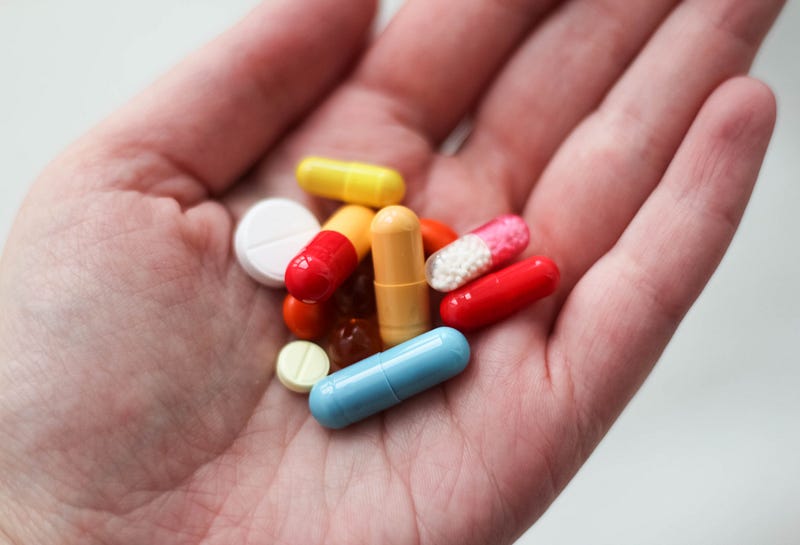
Photo by Ksenia Yakovleva on Unsplash

Several medicines can aid such females in dealing with a wide range of physiological and emotional symptoms of PMS. One can use the following pharmaceutical assistance to fight the pain, inflammation, and water retention that occur during this particular state:

· Antidepressants

· Non-steroidal anti-inflammatory drugs (NSAIDs)

· Birth-control pills

· Diuretics

· Dietary supplements such as iron, folates, vitamins, and many more.

As these medicines have certain side effects or interactions with other drugs, therefore, they should be taken with the consultation of a healthcare professional.

Adopt Lifestyle Changes

Photo by Brooke Lark on Unsplash

One’s living style has a massive influence on the development and intensity of these symptoms. Smoking, stress, poor diet, and lack of exercise play a crucial role in worsening the symptoms of premenstrual syndrome.

The following lifestyle changes can help women deal with this painful and troubling state:

· Eat a balanced diet that is rich in calcium and complex carbohydrates such as starch.

· Avoid the consumption of alcohol, tobacco, and caffeine in large amounts.

· Take proper sleep

· Exercise regularly

· Follow the relaxing techniques

· Drink plenty of fluids

· Limit salt intake

· Take enough rest.

Go for a Therapy

Photo by Gus Moretta on Unsplash

Most often, such females need emotional support and psychological counseling to recognize the negative thoughts and behaviors they are dealing with. Indeed, emotional therapy from certain groups can help them in stress management and improve their coping skills.

Therefore, go for supportive therapy to deal with the emotional aspects of PMS that worsen this condition a lot.

Key Take Away

Premenstrual syndrome is a genuine painful state that most women face every month. Females during this condition need special care and attention, both physically and mentally. Males being their partners, either husbands, brothers, fathers, sons, or friends can provide emotional support to them during this terrible condition.

Conclusion

Undoubtedly, PMS is an irritating and agonizing state. It badly impacts a woman’s quality of life. Therefore, it should be taken seriously. Adopt simple lifestyle changes, some medicines, and supportive therapy to deal with this condition and improve your life’s standard.

Take care of yourself and your loved ones.

Thanks a lot for reading this article. This content was specially created at the request of our medium friend hurea. Don’t forget to share your valuable feedback.

Menstrual Health
Premenstrual Syndrome
Womens Health
Healthcare
Medical Awareness
Recommended from ReadMedium