
Food/Health/Wellness
Prebiotics May Improve Brain Health
The brain-gut connection opens up new avenues for combating cognitive decline.
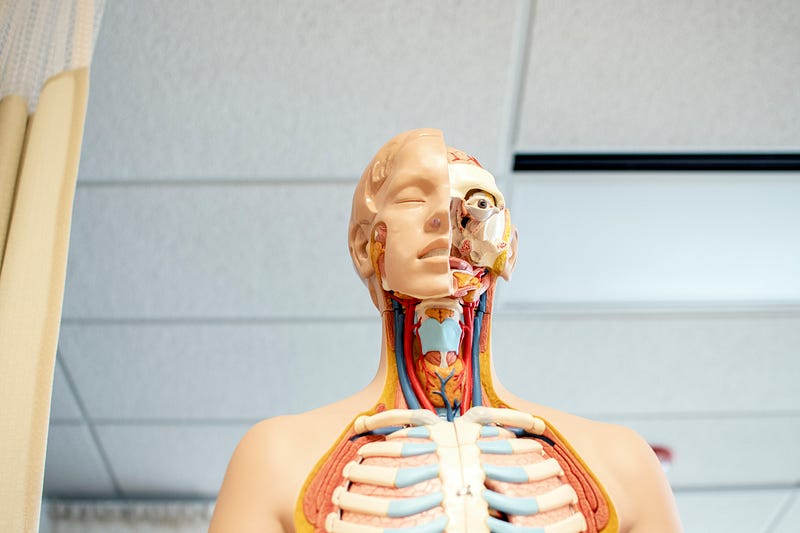
There have been several research papers on prebiotics enhancing gut health, and through the studies, experts have concluded that gut health is important to overall health. Indeed most illnesses start from the gut.
However, further research has indicated how gut health is linked to brain health. The vagus nerve is a primary information connection between the brain and the gut, and it is the longest nerve in the body. These two organs are connected both physically and biochemically in a number of different ways. Indeed some people say the gut is like a second brain because the gut produces the same neurotransmitters, i.e. serotonin, dopamine and gamma-aminobutyric acid as the brain. These three neurotransmitters play a role in regulating our mood. In fact, 90% of the serotonin is manufactured in the gut.
How The Gut-Brain Axis Works
The gut-brain axis has two-way communication and a bi-directional function between the central nervous system and the enteric nervous system of the body. This simply means there are communication pathways between the cognitive emotional centres in the brain and the intestinal tract centres.
We all know how we feel hunger, first in the brain before our stomach starts to ramble asking to be fed. It is the same when we are full, the brain sends messages to the tummy to resist any further meal. This indicates that if our gut is in top form, so will our brain too. But how does prebiotics help here is what we want to examine in this article.
What are Probiotics and Prebiotics Function In Gut Health?
The intestinal tract or the gut is lined with layers of micro-organisms that help break down foods and aid nutrient absorption and elimination. This gut flora is known as a microbiome. It is therefore important to maintain a healthy gut flora, otherwise, our overall health is compromised, if say for instance, we are unable to absorb the right nutrients to feed the cells in the body or unable to eliminate excess waste from the body.
A healthy gut flora requires both prebiotics and probiotics. What are these? Probiotics are live cultures (micro-organisms), that help in breaking down the food and aid nutrient absorption and elimination.
‘’Probiotics are thought to help restore the natural balance of bacteria in your gut (including your stomach and intestines) when it’s been disrupted by an illness or treatment.’’ NHS, England.
Prebiotics on the other hand are natural food components, special types of plant fibres that act as fertilizers to allow good gut bacteria to grow. Examples of prebiotic foods are oats, bananas, most legumes, berries, seaweeds, apples, onions family (leeks, garlic, shallot & artichokes), spinach, etc. Prebiotic foods help improve digestion, regulate insulin biomarkers, balance hormone levels and generally strengthen the immune system among others.
‘’Prebiotics are foods for the probiotics to feed upon. When the bacteria are fed what they need, they can thrive and provide us with health benefits.’’ UMass Chan Medical School
So it is pertinent that when our gut is healthy, our total body, including the brain works well.
The Gut-Brain Health Connection
It was until recently that researchers are getting to understand that defective gut problems trigger mood changes that lead to anxiety and depression. This is observed in patients with chronic indigestion, irritable bowel syndrome and Crohn's disease.
It, therefore, concluded that digestive restriction may affect cognitive function, particularly memory and thinking, although planned further research is needed to finalise this, says Jay Pasricha at John Hopkins, a gastroenterologist & neuroethology connection specialising in gut health.
Although it is already noted that a higher than normal number of people with depression have digestive issues.
Another related post from the same author:
The Takeaways
- Neurons are cells present in the brain and central nervous system that tell your body how to behave. There are approximately 100 billion neurons in the human brain.
- It may be possible to improve your brain health by improving the types of bacteria in your intestinal tract.
- Omega-3 fatty acids, fermented foods, probiotics and other polyphenol-rich foods may improve your gut health, which may benefit the gut-brain axis.
- The brain has a direct effect and connection with the gut microbiome
DISCLAIMER
Although great research has gone into this post to give the true and genuine substance to it, nevertheless it does not still represent professional advice in any way. Please consult your professional health provider for any health concerns that you have. It is therefore given for readers’ interest and entertainment only. Thank you.😑
💔If you are inspired and looking to start writing on Medium, why not jumpstart your writing journey by using this link? If you love what you read, you can personally support me here. Thank you.💔


