
Practise Gratitude, Experience Happiness
Turn gratitude into your attitude, and you will appreciate that what you have is plenty enough!
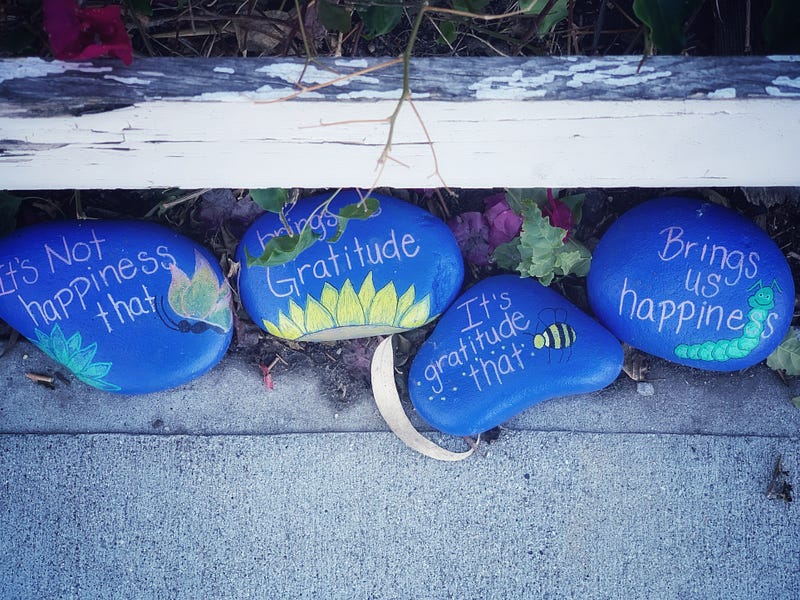
There is a wealth of research around the world studying the practice of gratitude, the benefits it can bring to ourselves and how gratitude can be one of the effective tools for achieving happiness.
Gratitude and happiness are deeply interconnected and one without the other is seldom possible.
I recently read the book ‘The How of Happiness’ by Sonja Lyubormirsky and found it inspiring and eye-opening. The book is based on proven scientific research and is based on familiar but rarely mainstream concepts of positive psychology and in the rest of the article I will attempt to describe the key takeaways for me from reading the book.
- Gratitude is the practice of recognising and appreciating the positive aspects of life, even in the midst of challenges and difficulties of day-to-day life. This not only involves acknowledging the kindness and generosity of others, but also on how to appreciate the simple joys and blessings that we often overlook and take for granted.
- The act of expressing gratitude in itself is beneficial to our well-being as our brain releases dopamine and serotonin that are two neurotransmitters associated with happiness. This creates a positive feedback loop, making us feel even happier, and more grateful.
- The expression of gratitude does wonders for our mental health as it can reduce symptoms of depression and anxiety by shifting the dial from what is lacking to what we already have.
- Cultivating gratitude can improve self-esteem and increase overall satisfaction.
So how do we train ourselves to more mindfully practice gratitude and potentially transform our lives?
- Keep a gratitude journal: Mindfully set aside a few minutes a day to record at least three things you are thankful for, however big or small they might be.
- Mindful gratitude: Pause and identify things you can be grateful for, especially during moments of stress or frustration.
- Express gratitude: Like with everything else, practice expressing and it will become easier. Remember, this if for your own happiness and well-being.
The key is to focus more on what we have than what we don’t.
Life is too short to be busy looking at thorns and weeds, slow down and stop to smell the roses.
You will be more appreciative of yourself and the world around you.


