
Practicing Self-Care When You are a Caretaker
If you get sick or break down, you are of no help to others.

This year has been taxing physically and emotionally and mentally. It has left me exhausted; my mind either spinning out of control or important details of the day dangle in my mind like ornaments on a Christmas tree with a mischievous kitten eyeing them from the floor.
I am sharing all this to let you know I understand the dilemma of trying to fit self-care into your already busy life, the difficulty of acting as a caregiver, and the fact that stress can be all-consuming.
Stress has been part of my life since I was a kid, but it’s only been in the last few years that I realized I knew how to practice self-care. AND, that I could share some of that with people.
WHAT MADE ME AN EXPERT ON STRESS AND SELF-CARE?
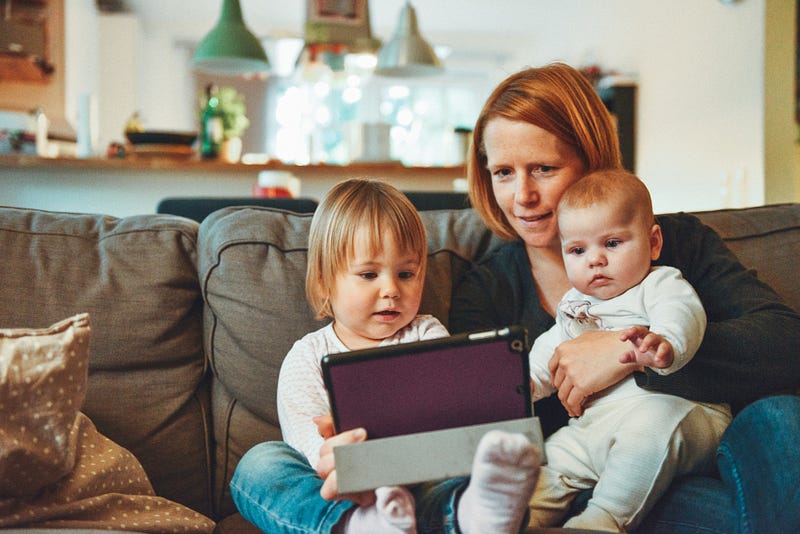
When my children were 2 and newborn, my father was diagnosed with a cranial aneurysm. Being on maternity leave, I was able to at least be on the other end of the phone any time my mother needed to talk. Between July and the end of the year, she saw my father through five surgeries. Dad was finally moved from the hospital into an assisted living facility, but since the aneurysm affected his memory, he was usually stuck 20 years back in time. Some days he would insist that Mom better be taking good care of the car they had sold 15 years earlier; some days he didn’t even recognize her. Mom began the school year with her first graders and juggled teaching and visiting/caring for Dad every day. Slowly, however, she backed off in the amount of time she spent with Dad; it was too much.
I wish I knew what she had done as self-care while going through this. I never asked; she never said.
After Dad passed away, she started to live again. She traveled, allowed herself to go out with friends, and found herself a gentleman friend/significant other.
In time, her significant other developed dementia. As time passed and he needed the level of supervision Mom couldn’t provide, she struggled to convince his children that they needed to place him in an Alzheimer's care facility.
To survive before that happened, she met with a Alzheimer’s/dementia care-giver’s group, brought him to an adult day-care facility, and had his children come over to supervise him if she wanted to go out.
She had learned much about self-care over the years. Again, I wish I knew more about what she did for self-care, but I never asked; she never said.

When my mother was diagnosed with cancer, I became her caregiver and care-coordinator. It was a two-month whirl wind of running her to various doctors, hospitals, and clinics for appointments, second opinions, tests, and treatments. Many nights I found I had fallen asleep on the couch before I could muster the energy to crawl into bed. When I ate, it was usually fast food or frozen meals I could pop into the oven.
Self-care didn’t exist for me at that time; I was running on remote control.
I was so exhausted I had no idea what I needed to do to care for my own existence. I felt like I was a shell of myself running on empty. In addition to caring for Mom, I was also watching two of my grandchildren during the days when my son’s and his wife’s work schedules overlapped. I was grateful it was June, and I was on summer break.
Mom passed away just 10 days before the 2013–2014 school year began. It was hot; I was exhausted. But I had had no down time. Instead, I had a job to address (I taught high school English, creative writing, and public speaking at the time.), a life-long home to clean out, and my own house to maintain. Although I was married, I was doing all this on my own because Hubby was an over the road truck driver at the time.
Time for self-care was rare. Even the occasional evening dinner with friends seemed a chore.
I began to wish I had asked my mom what she had done for self-care when she was stressed.
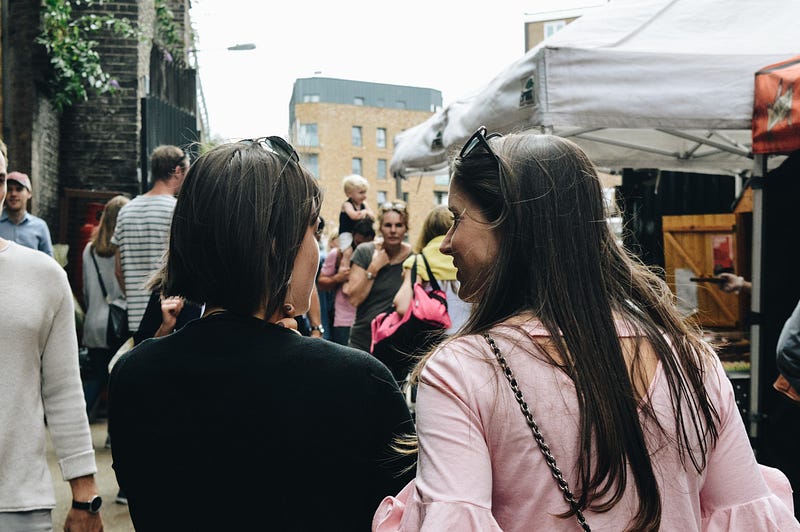
I was grateful for the friends and relatives who recognized I needed some self-care although the term “self-care” wasn’t used between us.
Friends and family helped go through my mother’s home, insisted I join them for the occasional dinner, and even introduced me to massage.
Now, six years later, I am facing the same question:
How do I care for my own physical and emotional and mental health in the face of being a caregiver?
This year, 2019, I am Hubby’s caregiver.
In February, his kidney function dropped to 13% which made it imperative to start considering dialysis. That was the start of a roller coaster ride: from Hubby starting peritoneal dialysis, to struggling with too much / too little medication, to dizziness / disorientation / inability to function due to some medications, to attempting to get the doctors to listen to what we had to say because Hubby was nauseous/vomiting almost 24/7, to having his gall bladder removed, to using temporary hemodialysis and feeling better, to returning to peritoneal dialysis and feeling worse, to discovering a calcium deposit on a heart valve, to returning to hemodialysis, to having blood clots and bleeding in his good eye, to the new necessity of quadruple bypass surgery. (Yes, this has all been within the last nine months.)
WHAT I DO FOR SELF-CARE
I love wandering the self-help book aisles of bookstores or the library, or perusing websites and blogs for new ideas. I have learned a great deal after pouring over many books and websites by self-help gurus.
My greatest take-away: What works for one person as self-care does not necessarily work for someone else.
January through October of 2019 have passed, and although I have not been able to practice self-care daily, I have snuck in some personal pampering.
First, I must tell you that from the middle of May until the middle of August, I didn’t dare leave the house because of how sick Hubby was before his gall bladder was removed. At that point, my self-care was basically non-existent.
One thing these months taught me was that my self-care is not just limited to myself, but to spending quality time with Hubby. We play cribbage or rummy. We cook or bake.
It’s the same quality time concept I incorporated when I was my mother’s caregiver. Day to day as I sat with her, she shared stories as we began to weed through her three-bedroom home.
These are my go-to ways to practice self-care. If you think they might work for you, great. Try them. If not, I’m not offended; but please, find something that works for you with self-care.
MASSAGE: I have returned to getting a monthly, if not bi-weekly, 90-minute massage. The low lights of the therapy room, the calming music, and the warmth of the table in addition to the massage itself has the potential to re-energize my soul. Physically, mentally, and even emotionally.
CANDLELIGHT BATH: When life really closes in on my, I sneak into my bathroom and draw a warm bath. Sometimes with bubbles or Epsom salts. Then, I turn on the battery-operated candles and turn off the lights. Stepping into the warm water, I submerge to my neck and let the water absorb all my stress. For an added effect, I let the water drain around me before I get out of the tub. It feels like every stressful situation and worry is pulled off me and runs down the drain. To finish off the experience, I either crawl into a favorite pair of pajamas or just into bed and take some time reading a good book.
HOT TUB / SAUNA: When I’m stressed, sitting in a hot tub or sauna is one of my favorite stress busting, self-care activities. When I was still teaching and living in Northern Illinois, I was in the hot tub almost 365 days a year. Yes, I crawled into that 102-degree water in the drizzle, snow, and extreme cold. I lived far enough out in the middle of nowhere that the stars were always bright and sometimes the moon was bright enough to read by. With the time on the hot tub set, I could lay back in the tub and let the jets do their magic. The sauna could do the same thing for me after a long day of teaching swimming, especially if no one else was in there with me.
MUSIC: I never remember a time that there wasn’t music in my parent’s home. At night, Mom would stack two or three records (33 1/3 rpms) on the stereo, and I fell asleep to the music. It was either classical or what we would now consider elevator music, but it was soothing. Now, in the morning, Hubby plays DJ while we sit on the front porch and drink coffee. When my stress is great, I have found solace and peace in sitting down and playing the piano or my violin and just losing track of time.
A LONG WALK: Over the years, I have found peace in long walks. During college, it was along the banks of Lake Michigan. When my children were small, I’d pack up the stroller and push them on the bike path along the Rock River in Northern Illinois. I’ve enjoyed walks around the neighborhoods I’ve lived in. When my ex first walked out on me and I didn’t feel comfortable leaving my kids alone to go for a walk, I’d put them to bed and walk up and down my driveway.
COLOR: I have a number of adult coloring books and crayons (I love the smell), colored pencils, and markers. I can sit and color for several hours and I usually feel much better when I finish.
WRITE: Yes, I’m a writer, but this writing is just for me. I like to pull up a blank screen and sit in my recliner with my eyes closed and write / type. I just let the words and thoughts and feelings transfer to the page. Sometimes I set the timer; sometimes I don’t. When I was going through my divorce, I took my writing one step further. I would write out all the hurt and anger my ex was causing and after my boys were asleep, I would take the pages outside along with a kettle and a lighter or match. I’d sit there and tear each page into several tiny pieces and dropped them into the kettle. When I was finished, I ignited the pages, and watched my hurt and anger burn to ashes.
GRATITUDE JOURNAL: Several years ago, I got involved in a Happiness Club. That was where I was introduced to the concept of a gratitude journal. At the end of the day, the facilitator instructed, write down three things that you were grateful for that day and then spend a few minutes writing about one thing that went well for the day. Although many days have felt like there was not one good thing that happened, I could find a shiny positive that happened that day.
PLAY SOLITAIRE WITH A DECK OF CARDS: Looking back, when my mom was stressed (or waiting up for me to come home from a date), I found her at the kitchen table with a deck of cards playing solitaire. Just the act of shuffling the cards, dealing them into the piles, and turning them over created balance in my soul.
ELECTRONIC GAMES ON MY PHONE: Sometimes I escape into the games on my phone.
No matter what you do, it is important to remember that self-care (whether you are a caregiver for someone, raising a family, or pursuing a career) is essential to your well-being.
Try to do something each and every day that focuses on your health and well-being. It just might be to pause, close your eyes, and take several deep breaths to re-center yourself.
Rebecca (Becky) spent 34 years in a teaching career, but when she retired in 2014, she picked up her pen and pursued her passion to write. As a high school English teacher, Becky held the philosophy that she wouldn’t give any writing assignment that she personally wouldn’t or couldn’t do. That philosophy strengthened and broadened her own writing.
In addition to publishing her writing on various platforms, Becky also blogs at Life is for Living, a blog to encourage, motivate, and help others live the best life possible. As an extension of Life is for Living, she also publishes a weekly newsletter, Let’s Chat. (Check it out HERE.) Life is for Living also has a social media presence with the group Coffee on my Porch. (Check it out HERE.)
After teaching writing for 34 years, Becky began Ink & Keyboard, a blog for writers at all levels. She supplements what she writes on the blog with a subscription newsletter, The Writer’s Notebook (Check it out HERE.) and the social media group Ink & Keyboard (Check it out HERE.)


