Powerful Mantras 101
History, meaning, why they work, and the most powerful healing mantra according to the Dalai Lama
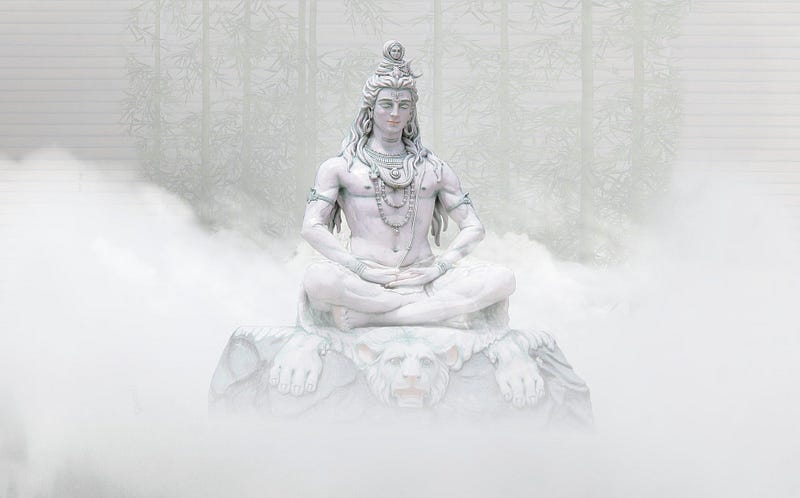
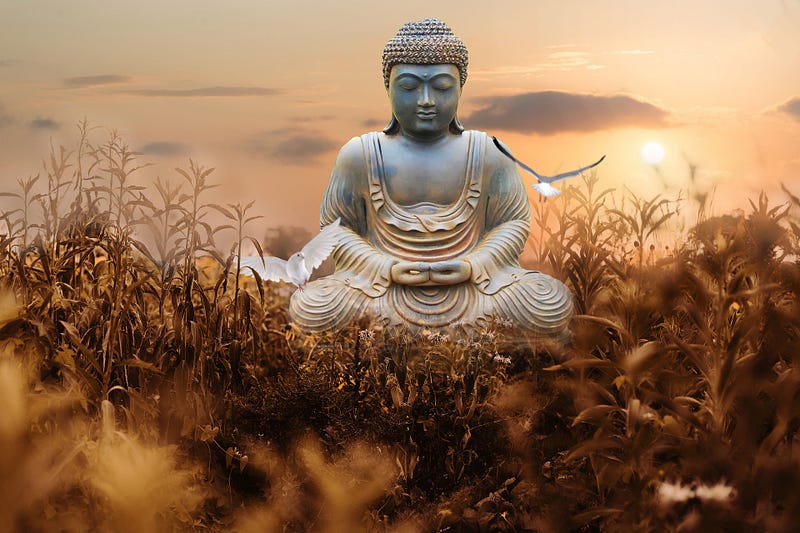
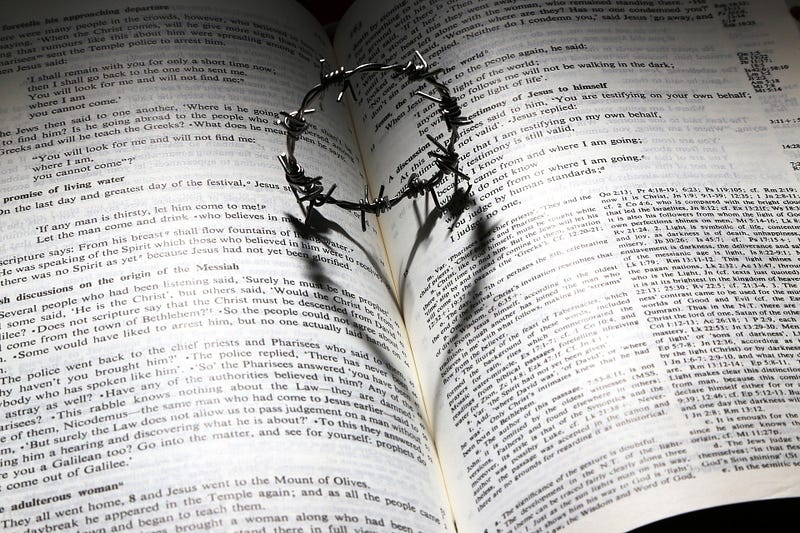

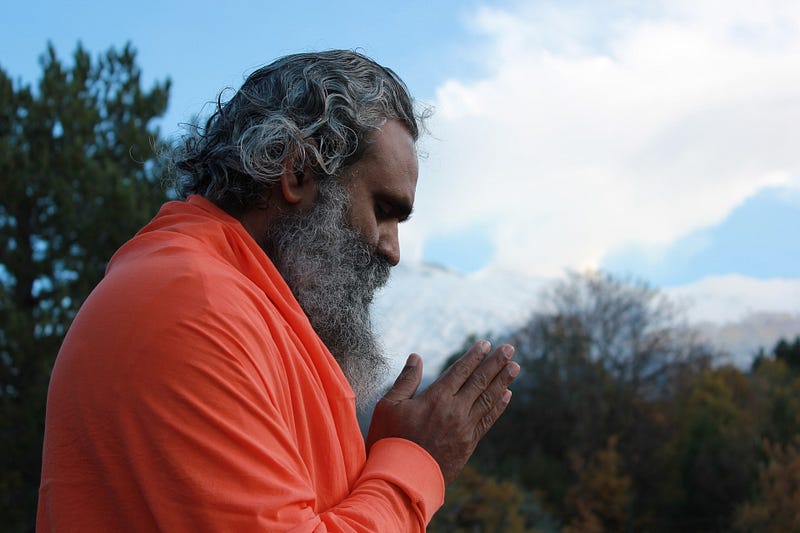
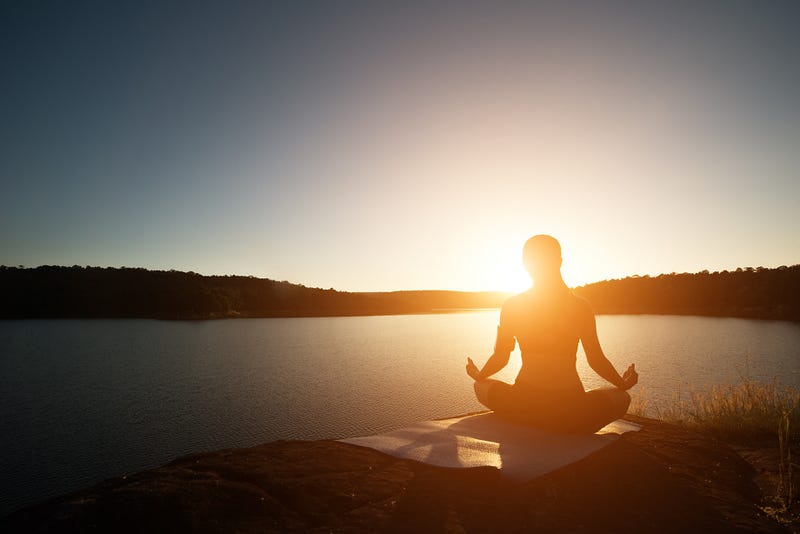
It doesn’t matter in what religion your parents raised you, or what you practice today, also if you are an atheist or agnostic. Neither if you are a yoga fan, meditate, go to a Church, Synagogue, Mosque, or Temple to pray. Even if you are a believer in the power of affirmations, as the book “The Secret” explains.
You use mantras every day, even if you didn’t realize it.
But do you know what is really a mantra, where did they come from, why do they work, what is the difference between Mantras, Affirmations, and Prayers?
If you want to discover the answer to any of these questions and learn a couple of them, just sit down, relax, grab a cup of your favorite tea and keep reading.
Table of Contents:
· What is a mantra? · Mantras vs. affirmations. · Why do Mantras work? · Powerful Mantras · Oṁ · Brahma · Vishnu · Shiva · Ganesh · The most powerful mantra for healing · Christian Mantras · Conclusion · Sources
What is a mantra?
“Whenever human beings consciously change their thought vibrations, they can change their life. Mantras are the thought vibrations.” ― Amit Ray, Mantra Design Fundamentals
Mantra is the sound produced by repeating a word or phrase with dedication and focus on steadying the mind and opening the heart. Originally from a Sanskrit word, it was adopted into English in the late eighteen century. Initially, they were recorded on palm leaves and safeguarded by families, passed from generation to generation.
We have to consider the etymological meaning where the word comes from two roots, man, from the word manas, meaning “mind, contemplate, meditate, or comprehend.” Plus, tra means “crossing over.” Therefore, we could define Mantra as “crossing over the mind” or the “instrument for contemplation, meditation, and comprehension.”
Also, it is crucial to understand the Vedic and Tantric traditions of Yoga, where sound man refers to the mind’s activities, and tra, from the root-sound trai means to ‘protect’ or to ‘free from.’ So, Mantra can also mean “that which makes one free from the vagaries of the mind.”
Mantras unite the mind with the soul, and like the shattered glass from the voice of a trained opera singer, they make our body and mind resonate. But as every glass is different, we also resonate with a specific sound or mantra.
In yoga, mantras have an essential role in connecting the body’s energy centers called chakras. Seven major chakras correspond to energy pools in the human body, equal to a specific gland, organ, or muscle:
- LAM, for the First or Root Chakra, is in the spine’s base.
- VAM, for the Second or Sacral Chakra, is located two inches below the navel.
- RAM for the Third or Solar Plexus Chakra in the mid-torso.
- YAM for the Fourth or Heart Chakra in the upper chest.
- HAM for the Fifth or Throat Chakra in the throat.
- OM is for the Sixth, or Third eye Chakra, on the forehead.
- And the Seventh or Crown Chakra on top of the head, unlike the other six, is the silence after OM, where instead of chanting, we listen.
For every Yoga lover, this is a common fact, but to the rest of all of us earthling-non-yogis, who think twice before bending to pick a dime from the floor, it might be something new.
Mantras vs. affirmations.
“Belief consists in accepting the affirmations of the soul; unbelief, in denying them.” ― Ralph Waldo Emerson
In recent times affirmations or incantations have gained significant importance, thanks to authors like Paulo Coelho, Wayne Dyer, Louise Hay, and Tony Robbins, but especially to the book and later movie “The Secret.”
The significant difference between them is that while Mantras are at least 3,000 years, founded in Energy-focused spirituality, and can be as short as a single syllable, connecting with ancient energy influences.
Affirmations surfaced in the 1980s based on psychology statements that comprise a complete sentence repeated less often, transforming everyday language into mantras.
In the last years, authors and motivational speakers like Robbins use the term incantation as a synonym of affirmations. Still, there is a divided opinion in the use since many people associate it with spells, charms, or bewitchery.
Many religions have used Mantras throughout the centuries. Not only the oriental Sanskrit and Hindu but also other faiths. For example, the word “Amen,” originally a Hebrew (Aramaic), that passed into Greek, Latin, and other modern languages like English, translated as “and so be it.”
According to the author Lilly Cushman in her book “A Little Bit of Mantras: An Introduction to Sacred Sounds,” she explains that many religions have used some mantras, e.g.:
- BUDDHIST TRADITION: Om Mani Padme Hum (I bow to the jewel in the lotus of the heart.) Nam myoho renge Kyo (Homage to the lotus sutra.)
- CHRISTIAN TRADITION: Jesus. Lord Jesus Christ, have mercy on me. Hail Mary, full of grace. Amen.
- JAIN TRADITION: Namokar mantra (bowing down to the conquerors of the senses.) Pratikramana prayer (asking for forgiveness.)
- JEWISH TRADITION: Shema Yisrael Adonai Eloheinu, Adonai Echad (Hear O Israel: The Sovereign our God, the Sovereign is One.) Shalom (Peace.)
- MUSLIM TRADITION: Allhau Akbar (God is great.) Bismillah Al-Rahman, Al-Rahim (In the name of God, most Gracious, most Compassionate.)
- SIKH TRADITION: Wahe Guru (wonderful teacher.) Mool Mantra (basic teaching.)
Indigenous people worldwide have also used mantras in various healing and ceremonial practices for centuries, like the shamans in Native American cultures, Polynesian culture, aboriginal Australians, and Mayan and Incan civilizations. We find mantras in all these different faiths, traditions, and cultures, leading us to recognize this practice’s universality.
Why do Mantras work?
“We don’t necessarily see things as they are. We see them as we are.” — Ram Dass, spiritual teacher, psychologist, and author.
In the book “Vernetzte Intelligenz” (Networked Intelligence), by Grazyna Fosar und Franz Bludorf, the authors explain human DNA is a biological Internet. Capable of affecting the physical world, which explains telekinesis, clairvoyance, intuition, Reiki, self-healing, and mind’s influence on the physical world. There is also evidence of a new type of medicine reprogramming DNA with words and frequencies instead of CRISPR (technology used to edit genes).
Russian scientists have scientifically proven and explained this phenomenon, but since it affects not everyone the same way, the frequency has to be correct for each individual. Hence, everyone has to find the mantra that resonates with our body and mind. That is why there are no good or bad mantras or the most powerful ones.
Our ancestors had to be on the lookout for predators and be aware of threats. Although focusing on the negative helped our ancestors survive, focusing on the positive through mantras is much more beneficial in modern times.
Therefore, feeding this information into our brains helps us be aware of the danger, protect ourselves, and give us insight into why mantras are so powerful.
Powerful mantras
“A mantra truly is a vehicle that takes you into quieter, more peaceful levels of the mind.” — Deepak Chopra
Needless to say, there are millions of Mantras, Affirmations, and Prayers. Also, that it would take thousands of articles to cover at least the most used. But here are some Hindu, Sanskrit, Buddhist, and Christian mantras explained, and what they mean according to different experts.
“Oṁ”
Let’s start with the primary or fundamental mantra “Oṁ” pronounced (AUM). No one knows its origin, but according to ancient traditions, it has been here since the beginning of the universe. When we use this mantra, we vibrate with the deepest part of our mind, like joining “alpha and omega.”
Om represents many things generally in triads, like “speech, mind, and breath,” or “absence of desire, fear, and anger,” also “father, mother, and spiritual teacher.”
Another interpretation is “everything and everyone,”
Chanting oṁ helps to realign and find harmony with the fundamental vibration of all things. This mantra is important because even a person who cannot speak can pronounce three words AH, HMM, MMM.
Brahma
“Oṁ Kḥam Braḥma”
Brahma is the Lord of Creation, the universal consciousness, the elemental energy source of goodness and joy. He is also known as the unborn, self-born, invisible, infinite, limitless, spiritual essence of all life forms.
Symbolizes the human consciousness, mind, and intellect without ego, judgment, and interpretation of our human sensual perception. Painted as a man with golden or red skin with a beard, with four heads each looking to the four cardinal directions, or the four spacial dimensions of the universe (Length, Area, Volume & Time.)
Brahma’s partner is Saraswati, or ‘Shakti.’ Though he is one of the supreme Hindu gods’ trinity with Vishnu and Shiva, Brahma is not very popular these days. Still, people invoke his mantra for wisdom and understanding.
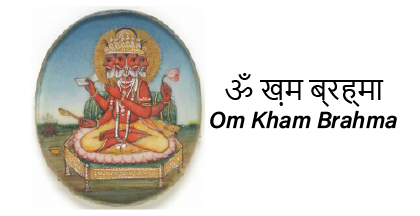
Oṁ Kḥam Braḥma
“God is omnipresent like Kham” “Om is itself the almighty Brahma”
Vishnu
Om Namo Narayanaya
Vishnu is the second god of the Hindi Trimurti, also known as the Lord of Preservation and Restoration. He is married to Lakshmi, the goddess of wealth. In the Hindu tradition, Vishnu has reincarnated 21 times, including Matsya (The Fish), Kurma (The Tortoise), Varaha (The Boar), Narasimha (The Man-Lion), and Vyasa Avatar (the sage who wrote the Mahabharata), among others. The most famous are Lord Rama (The Perfect Man), Lord Krishna (The Divine Statesman), and Buddha.
Here are some of the mantras for Vishnu’s different reincarnations:
Vishnu
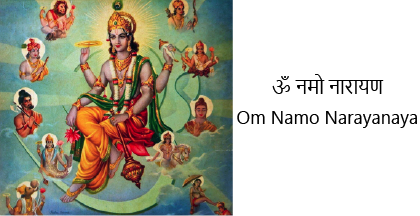
Om Namo Narayanaya “I bow before the Almighty”. For a blissful afterlife or a state of being without desire and free from materialistic attachment and fear.
Krishna
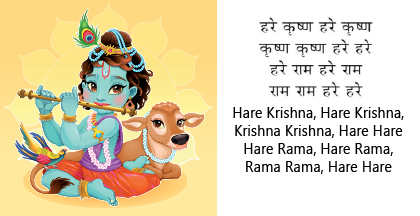
Hare Krishna, Hare Krishna, Krishna Krishna, Hare Hare Hare Rama, Hare Rama, Rama Rama, Hare Hare
“Oh my Lord (Creator or divinity), let me be an instrument of Your Love”
This mantra, also known as Maha Mantra, means that you want the Lord to take you into another divine world. It is all about seeking a direct connection between your soul and the Lord.
Rama
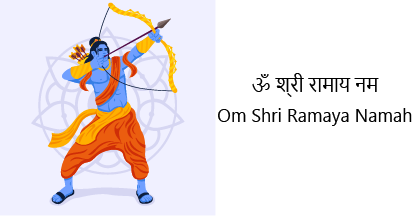
Om Shri Ramaya Namah “Om and salutations to Rama, patron of happiness, inner peace, and balance. May your radiant warrior energy, and personal integrity reside within me”
Shiva
Oṁ Namaḥ Śivāya
Shiva is the third and most powerful and respected god of the Hindi trinity, also known as the lord of destruction and the patron god of yoga. He is married to Parvati, or Kali, the goddess of power, war, beauty, and love. The mantra Om Namah Śivāya is one of the most popular mantras in yoga.
As for the many aspects of Śiva (Shiva), we can find a mantra for each one. But in this mantra represents Shiva in his highest and most all-inclusive form. Here he is the ultimate form of the supreme source, hence the power of this mantra:
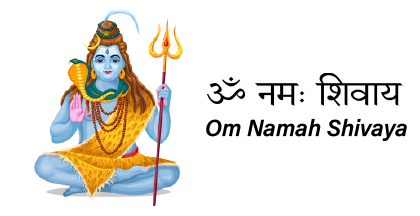
Oṁ Namaḥ Śivāya
“I invoke the supreme essence of Shiva” “I bow down to God who is my Self”
Ganesh
Oṁ Gaṁ Gaṇapataye Namaḥ
One of the most popular of all the deities is the first son of Shiva and his wife Parvati called Ganesh, who is known to help with our problems, is also a great listener, given his large elephant ears. Ganesh brings fortune and luck to everyone who chants his mantra.
He has many followers and temples dedicated to him, not only in India but around the world including, the Hindu Temple Society of North America in Flushing, Queens, NY, the Sri Ganesha Temple in Nashville, TN, the Sri Ganesha Hindu Temple in South Jordan, Utah, the Sri Ganesha Temple in Berlin Germany, among many others.
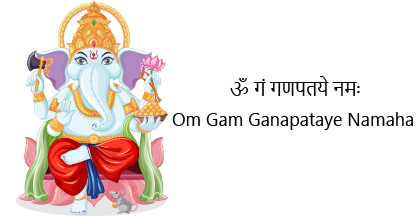
Oṁ Gaṁ Gaṇapataye Namaḥ
“My salutations to Lord Ganesha.”
Tara, the Mother of all Buddhas (The most powerful healing mantra)
Oṃ Tāre Tuttāre Ture Svāhā (Om Tare Tutare Ture Soha)
This mantra is known as the most powerful healing mantra. In 2020 people asked His Holiness the Dalai Lama for spiritual advice on dealing with the pandemic. He suggested that chanting the Green Tara mantra could be helpful.
Om Tare Mantra or Tara Mantra’s meaning is difficult to translate, starting with the word Tara, meaning Shining Star, Liberator, Rescuer, Savior, or One Who Ferries Across.
OM: signifies the whole universe, the past, present, and future. TARE: is deliverance from mundane suffering. TUTARE: means salvation into the spiritual path, salvation from fear, external dangers, and internal delusions. TURE: is the end of suffering, the liberation from ignorance. SOHA: means may the meaning of the mantra take root in my mind.
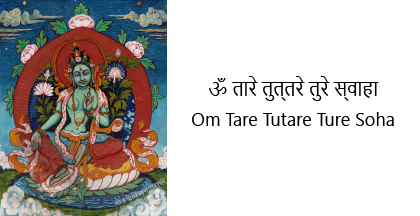
Oṃ Tāre Tuttāre Svāhā
“Oh mother of all Buddhas, Shining Star, Liberator, Rescuer, and Savior, deliver us through the spiritual path from suffering, fear, external dangers, and ignorance, and may the meaning of this mantra take root in my mind.”
“Om Mani Padme Hum.”
Monks say that this mantra comprises Buddha’s entire teachings, and it is difficult to translate literally without losing its most profound meaning. But if you use a direct translation, it would be “I bow to the jewel in the lotus of the heart.”
Different people from Buddhist and Hindu backgrounds use this holly mantra with various interpretations. Nevertheless, we can find common ideas about how people used it to purify things in all six realms of existence, and we can interpret it like this:
Om: purifies the moment of bliss. (Realm of Gods) Ma: clears jealousy and need for entertainment. (Realm of the Jealous gods) Ni: liberates us from human desire and passion. (Realm of Human) Pad: absolve us from ignorance. (Realm of Animal) Me: removes the greed. (Realm of hungry ghosts and spirits) Hum: purifies loathing and aggression. (Realm of Hell)
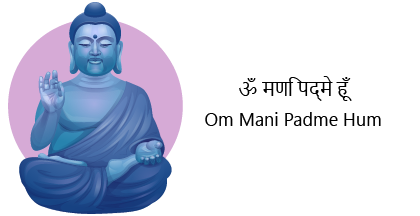
Om Mani Padme Hum “I bow to the jewel in the lotus of the heart, to purify all negative energies and keep me calm and free from all ill-suited emotions”
Christian mantras
“Pray without ceasing”
— 1 Thessalonians 5:17
As we explained before, Prayers like mantras, share the same effect in our lives, so here are some Christian Prayer-Mantras.
“Lord Jesus Christ, Son of God, have mercy upon me,”
Saint Theophan the Recluse, a Russian Orthodox theologian, said that the practice of prayer is an art and a very simple one, where you stand with consciousness and attention in the heart, cry out unceasingly a prayer. Clearing your mind from any visual concept or image, believing that the Lord is looking and listening to you.
Like in all meditations, when you pray, it is crucial to concentrate and control your breathing, keeping time with the prayer words — believing that you are making a connection with God, who is near and hears you. As if you were praying for God’s ear alone.
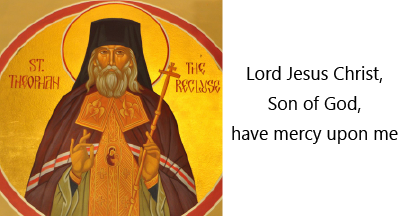
Lord Jesus Christ, Son of God, have mercy upon me
“Abba”
Everybody has a different way to refer to his father, a formal way, and a more intimate way like Dad, Daddy, Boss, Chief, etc., reflecting the closer bond they have. Likewise, in Galatians 4:6, the Bible encourages us as children of God to call him “ABBA,” which is the Aramaic (Jesus’ primary language) word for father, creating an intimate relationship with God.
When you use the mantra “Abba,” it is a recognition that you are a child of God and that He loves you more than anyone could. To practice this mantra, as with any meditation or prayer, look for a quiet place and relax for a few moments, take a few deep breaths. When you are calmed, you breathe in slowly while saying “Abba”; breathe out slowly while saying “I belong to You.”
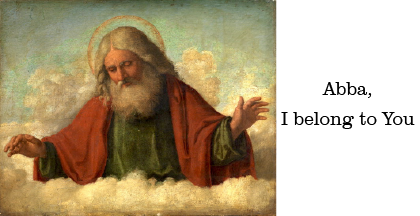
Abba, I belong to You
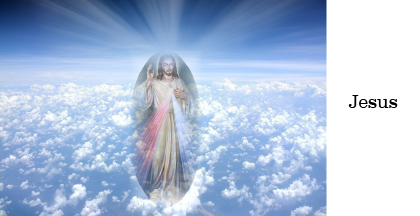
Jesus
Either if you are using complex phrases or a simple word, mantras bring you to a meditative and profound state of mind. As mantras like OM, VAM, LAM, RAM, YAM, etc. used to clean your chakras. There is no word more powerful to Christians like the name of the Lord Jesus. When relaxed, cleared of all thoughts and worries, and calmly breathing, you pronounce the word Jesus in a deep tone, making the vibration of the sound resonate with your body, mind, and soul.
The name Jesus comes from the Hebrew name Yeshua/Y’shua, based on the Semitic root y-š-ʕ (Hebrew: ישע), means “to deliver; to rescue,” or “God is salvation.” and according to John 1:12: “… to all who received him, who believed in his name, he gave the power to become children of God.”
So, as children of God, the benefits of using this mantra are endless, for as a father, there is nothing you are not willing to give your child. Hence, when you use the name of Jesus in your prayers, there is no limit on what you ask, as long as you have complete faith that your father is listening and willing to grant you everything.
In conclusion
Everything is in a state of vibration and when we are in a natural, resonant vibration, we are in a state of good health. But if some part of the body begins to vibrate at a wrong frequency, the energy becomes stuck, and disease sets in.
— Jai Paul Dudeja
Spiritual teachers have known for ages that our body is programmable by language, words, and thoughts. This is why the Tibetan monks, the Shamans, the Aborigines, and even with Christian Gregorian chants people practice these rituals to establish communication between the body, mind, and soul.
Therefore, don’t be afraid to incorporate Sanskrit mantras into your daily life. It doesn’t mean you will convert to some kind of strange cult. Regardless of what religion your parents raised you in or what you practice today, you can use mantras to help in your life.
Sources
- “Vernetzte Intelligenz” (Networked intelligence) by Grazyna Fosar und Franz Bludorf, Omega, Jan 1, 2001.
- Mantras Made Easy: Mantras for Happiness, Peace, Prosperity, and More By Sherianna Boyle, Simon & Schuster, Jan 2, 2017.
- Sacred Sound: Discovering the Myth and Meaning of Mantra and Kirtan, By Alanna Kaivalya, New World Library, Mar 15, 2014.
- A Little Bit of Mantras: An Introduction to Sacred Sounds By Lily Cushman, Sterling Ethos, Mar 5, 2019.
- Mantra Design Fundamentals — Basics of mantra forms, structures, compositions, and formulas, By Amit Ray, Nov 2018.
- “Scientific Analysis of Mantra-Based Meditation and Its Beneficial Effects” Jai Paul Dudeja Professor, Director, Amity University Haryana, Gurgaon India, International Journal of Advanced Scientific Technologies in Engineering and Management Sciences Volume.3, Issue. 6, June 2017.
- Christian Disciplines, By Madeleine Peña.
- Bhagavadgita Org.
- Yogapedia
- Indian Mythology