avatarLisa Wathen

Free AI web copilot to create summaries, insights and extended knowledge, download it at here

2498

Abstract

2"><img src="https://cdn-images-1.readmedium.com/v2/resize:fit:800/1*l1vOMagFi-Zufj6qGy51xQ.jpeg"><figcaption>Photo by <a href="https://unsplash.com/@edwinhooper?utm_source=unsplash&amp;utm_medium=referral&amp;utm_content=creditCopyText">Edwin Hooper</a> on <a href="https://unsplash.com/s/photos/pandemic?utm_source=unsplash&amp;utm_medium=referral&amp;utm_content=creditCopyText">Unsplash</a></figcaption></figure><h2 id="7989">Cultural Evolution</h2><p id="f25a">Cultures are shaped by events such as these. Perceptions of what is safe, what is dangerous, what will protect us and grant us success give rise to social conventions, shape how people interact and respond to each other.</p><p id="70a4">It seems a near certainty that our culture is destined for some radical changes in the very near future.</p><p id="4f59">Hand shaking may already be a thing of the past — my grandchildren may watch films with people shaking hands and be puzzled, perhaps disgusted, at the dirty, germ-spreading norms of the old-days.</p><p id="7417">But I’m also interested in the potential for positive changes, cultural improvements, which brings me back to my risky question: what if there are things we <i>like </i>about pandemic life, things we don’t want to give up when it’s all over?</p><h2 id="931b">Good that may come</h2><p id="26c9">There’s a greater awareness of community right now — our responsibility for our neighbors’ welfare is at the forefront of our minds. We help those who need it, individually, and we make choices to limit our movement and change our behavior for the welfare of the greater community — even other nations, with whom we share this planet and this crisis.</p><p id="6169">When have we ever drawn so closely together at every level of social organization? Town, city, county, state, nation, world — we’re helping each other across every line on the map, neighbors (humans?) without borders.</p><figure id="23f4"><img src="https://cdn-images-1.readmedium.com/v2/resize:fit:800/1*t4JMHkxQ4apIJXBs45I8ew.jpeg"><figcaption>Photo by <a href="https://unsplash.com/@cdc?utm_source=unsplash&amp;utm_medium=referral&amp;utm_content=creditCopyText">CDC</a> on <a href="https://unsplash.com/s/photos/parents?utm_source=unsplash&amp;utm_medium=referral&amp;utm_content=creditCopyText">Unsplash</a></figcaption></figure><p id="4ff2">There is a new kind of family life that is evolving . Parents are staying home, <i>both of them</i>, helping their children with school work, talking to

Options

them, living with them without a break for weeks on end. This is starkly different from the fragmented, tech-obsessed, two-working-parent-families that we’ve grown accustomed to in the first world.</p><p id="d11d">Even kitchen habits are changing. People are forced to cook for themselves, limit their shopping, plan ahead, use what they have. One has to wonder if Americans will get healthier with their options for fast food curtailed?</p><p id="a495">And I wonder, too, if the slower pace, the greater quiet of a more isolated existence, is something we will come to value, and want to preserve, when we no longer <i>have </i>to?</p><p id="0f9c">Working from home. More time to pursue little hobbies and side interests. More time to reflect, journal, read, listen to the birds, take walks, play with the dog…<i>more time</i>.</p><p id="a3b2">It is a familiar complaint that Americans feel like they do not have enough time in their busy lives. Leisure time, family time, down time, sleep time.</p><p id="0611">Can one of the lessons of this global catastrophe be that among the many changes we need to enact, giving ourselves a slower, more measured, time-enriched existence is one of them?</p><p id="7bad">For the American go-getter, boot-strap independent, can-do worker, rat-race-winner, type-A over-scheduled tech-savy multi-tasker, it would be a radical cultural shift. One that is, arguably, overdue.</p><figure id="6f95"><img src="https://cdn-images-1.readmedium.com/v2/resize:fit:800/1*LuMw2x7ZK5K8BLpwpH90FA.jpeg"><figcaption>Photo by <a href="https://unsplash.com/@kriscros?utm_source=unsplash&amp;utm_medium=referral&amp;utm_content=creditCopyText">Kris Cros</a> on <a href="https://unsplash.com/s/photos/climb-stairs?utm_source=unsplash&amp;utm_medium=referral&amp;utm_content=creditCopyText">Unsplash</a></figcaption></figure><h2 id="15d0">Learning all the lessons</h2><p id="8051">There is going to be a lot to sort through as we continue on, and when it’s over and we’re cleaning up the detritus of this world war against disease. I hope that we don’t loose the quieter lessons we might take away, in the midst of dealing with the emergent ones.</p><p id="e386">There’s no shame in finding things about now to like. Let’s hang onto them, and bring them with us through the crisis and into what ever world emerges on the other side.</p><p id="39f6">We know who we’ve been. We’re learning about who are in crisis. The next question is: who do we want to become?</p></article></body>

Post Pandemic Cultural Fallout

What will the landscape of the New Normal look like?
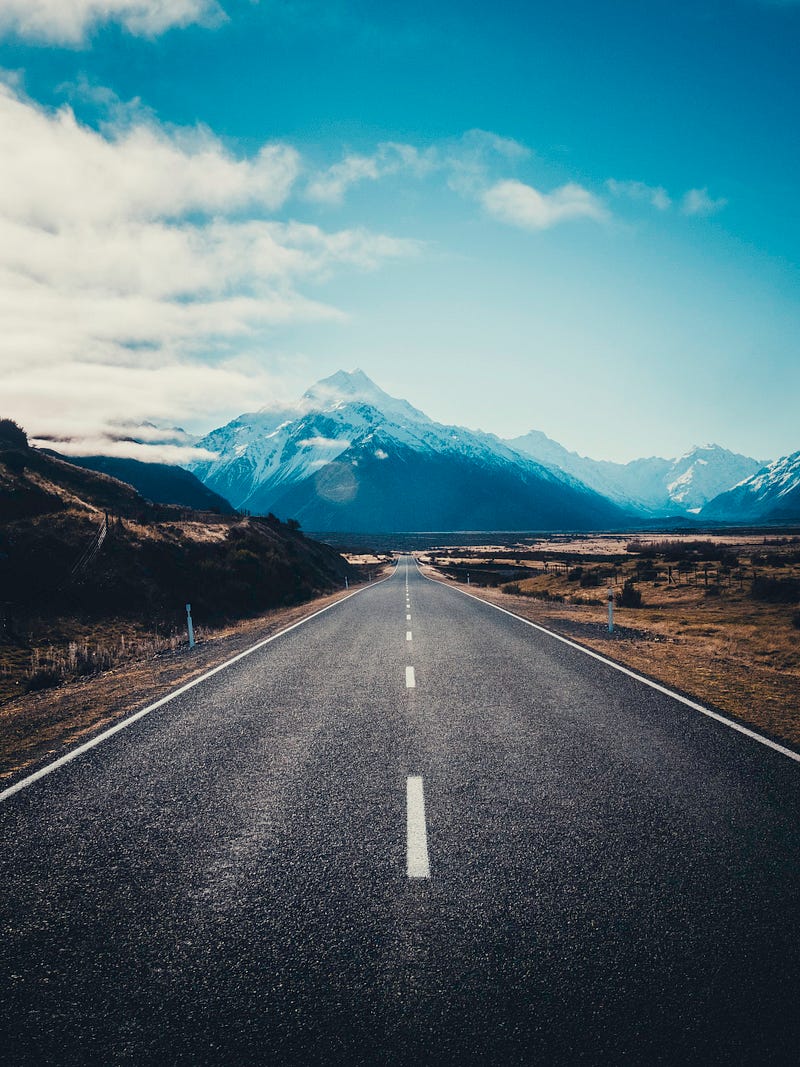
Photo by Yoal Desurmont on Unsplash

I’m going to ask a risky question: What if we decide we like this?

Of course, I’m not talking about the illness, death, economic desperation, daily anxiety and fear.

But there are other things happening to us that maybe we’ll want to hang onto once the smoke clears, the battlefield is won, and life can return to what it once was.

Except everyone seems to agree, lately, that it will never be what it once was.

Shuddering into now

We watch movies and TV shows, and cringe when characters shake hands, hug, stand too close in a grocery store — then have to remind ourselves that it used to be like that, it used to be okay to live in close proximity with other humans.

Experts tell us that, while we may successfully flatten our curves, we’ll have to go about relaxing the “Stay At Home” orders carefully, or else we could get another surge, a second round of precipitous infection rates and high death counts. Possibly this could dog us, sending us tentatively out for a few weeks, then back into our homes for more distance learning and quarantine-style living, for as much as another eighteen months.

Basically, until a cure and/or vaccine is discovered.

But they also tell us that other pandemics can strike at any time. I read an article this morning that told of the de-funded and all but disbanded pandemic early warning initiative, called PREDICT, which between 2005 and 2019 had identified about 1,200 viruses that could cause pandemics.

More than 10% of them were novel coronaviruses.

Take-away: this may be the first time, but it likely won’t be the last. Wake up, world. Time to readjust.
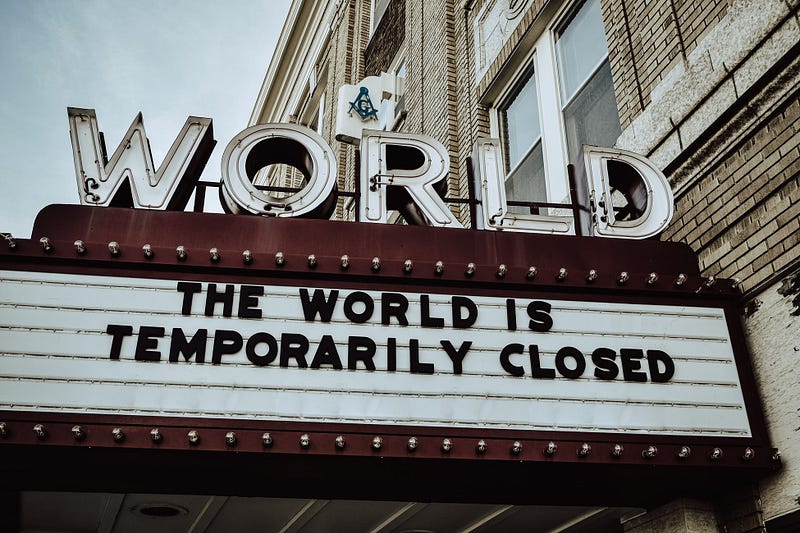
Photo by Edwin Hooper on Unsplash

Cultural Evolution

Cultures are shaped by events such as these. Perceptions of what is safe, what is dangerous, what will protect us and grant us success give rise to social conventions, shape how people interact and respond to each other.

It seems a near certainty that our culture is destined for some radical changes in the very near future.

Hand shaking may already be a thing of the past — my grandchildren may watch films with people shaking hands and be puzzled, perhaps disgusted, at the dirty, germ-spreading norms of the old-days.

But I’m also interested in the potential for positive changes, cultural improvements, which brings me back to my risky question: what if there are things we like about pandemic life, things we don’t want to give up when it’s all over?

Good that may come

There’s a greater awareness of community right now — our responsibility for our neighbors’ welfare is at the forefront of our minds. We help those who need it, individually, and we make choices to limit our movement and change our behavior for the welfare of the greater community — even other nations, with whom we share this planet and this crisis.

When have we ever drawn so closely together at every level of social organization? Town, city, county, state, nation, world — we’re helping each other across every line on the map, neighbors (humans?) without borders.
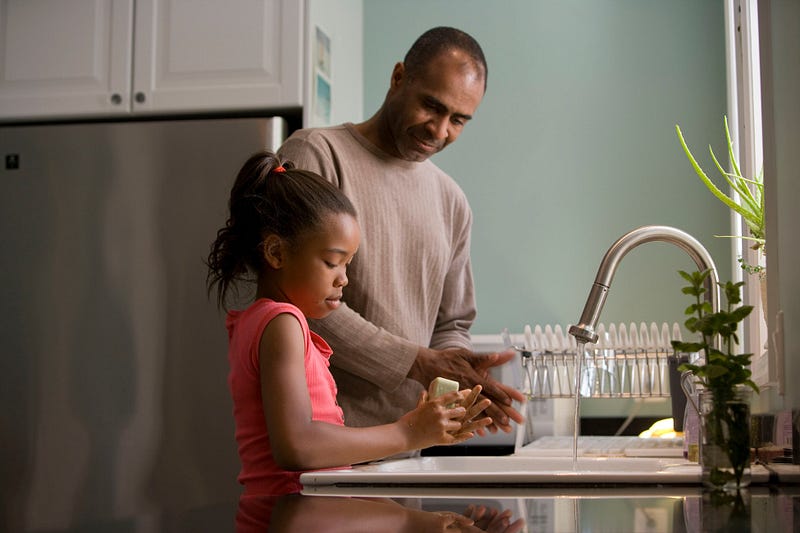
Photo by CDC on Unsplash

There is a new kind of family life that is evolving . Parents are staying home, both of them, helping their children with school work, talking to them, living with them without a break for weeks on end. This is starkly different from the fragmented, tech-obsessed, two-working-parent-families that we’ve grown accustomed to in the first world.

Even kitchen habits are changing. People are forced to cook for themselves, limit their shopping, plan ahead, use what they have. One has to wonder if Americans will get healthier with their options for fast food curtailed?

And I wonder, too, if the slower pace, the greater quiet of a more isolated existence, is something we will come to value, and want to preserve, when we no longer have to?

Working from home. More time to pursue little hobbies and side interests. More time to reflect, journal, read, listen to the birds, take walks, play with the dog…more time.

It is a familiar complaint that Americans feel like they do not have enough time in their busy lives. Leisure time, family time, down time, sleep time.

Can one of the lessons of this global catastrophe be that among the many changes we need to enact, giving ourselves a slower, more measured, time-enriched existence is one of them?

For the American go-getter, boot-strap independent, can-do worker, rat-race-winner, type-A over-scheduled tech-savy multi-tasker, it would be a radical cultural shift. One that is, arguably, overdue.
Photo by Kris Cros on Unsplash

Learning all the lessons

There is going to be a lot to sort through as we continue on, and when it’s over and we’re cleaning up the detritus of this world war against disease. I hope that we don’t loose the quieter lessons we might take away, in the midst of dealing with the emergent ones.

There’s no shame in finding things about now to like. Let’s hang onto them, and bring them with us through the crisis and into what ever world emerges on the other side.

We know who we’ve been. We’re learning about who are in crisis. The next question is: who do we want to become?

Culture
Society
Life Lessons
Personal Growth
Humanity
Recommended from ReadMedium