PSYCHOLOGY
Positive Psychology Interventions
Useful tricks of Controversial Theory and how to apply them
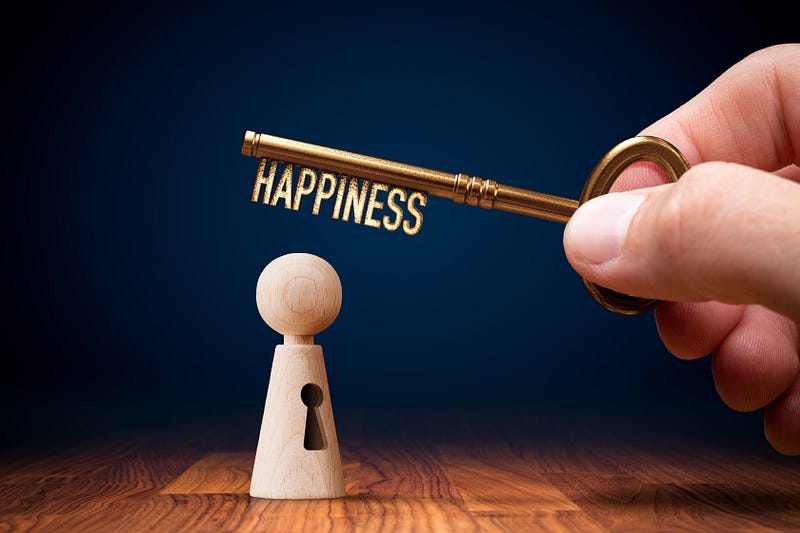
Positive psychology has been the cause of hot debates for many years — it has no fewer opponents than supporters. On the one hand, it promises a simple recipe for happiness, on the other hand, it is rebuked for mysticism and controversial attitudes.
Skeptics believe that this point of view creates the illusion that a person can become happy if they direct their thoughts in a positive direction, while the mind is more complicated. But despite all its controversy, this theory has useful tricks that are worth adopting.
Below we will talk about these techniques, about the essence of positive psychology, about its strengths and controversial aspects.
What are the characteristics of positive psychology?
The concept of positive psychology was first used by Abraham Maslow back in the 1950s. Subsequently, the American psychologist Martin Seligman, who developed Maslow’s idea in 2002, became the father of the theory of “learned helplessness”.
According to Seligman, the science of the soul does not deal with the things it should be working on. Instead of making people happy, it focuses on the negative-old grudges, the difficult childhood years, the traumas of the past. Classical psychology aims to cure a disorder or an illness, and if that is not possible, then it stops the healing process and suggests that the person lives with it. But they hardly talk about how to make a person happy in everyday life.
A psychologist is perceived as a specialist to whom people go to fix a problem, and not to improve life or improve themselves.
In turn, positive psychology focuses on the study of a person’s feelings, behaviors, and thoughts, focusing on their strengths rather than the negative aspects of life. According to the ideas of this theory, happiness is one of the main goals of existence, along with well-being, which is achieved through personal achievements and relationships. At the heart of the formation of character and a happy lifestyle, according to the American psychologist, are six qualities: humanity, justice, wisdom, courage, spirituality, and self-control.
An overview of the history of positive psychology
One day, Nikki’s five-year-old daughter interfered with Seligman’s work in the garden. The psychologist could not stand it and shout at her. In response, the girl recalled that just a couple of years ago she was a terrible whiner, and on her fifth birthday she firmly decided to get improved. Nikki asked her father why she was able to change her character with her willpower, and he can’t stop being so mischievous.
It dawned on Seligman. The thought of his daughter struck him with wisdom and childish spontaneity: to change the character for the better, it is enough to make an effort and direct the energy in the right direction. It is this idea that formed the basis of positive psychology, the focus of which is shifted from problems and diseases and is aimed at improving the quality of life and cultivating the best qualities of a person.
Basic principles of positive psychology
From the point of view of positive psychology, a person should strive for global meaning, and not just be content with fleeting joy. Seligman identified three steps on the path to happiness:
- Achieve a comfortable and enjoyable life (superficial happiness).
- Make this life a worthy one, a life in which you’re focused on working out your own strengths and achieving a state of flow.
- Give this life a superior meaning, a meaning in which you strive to fulfill a higher purpose (concluded, as a rule, in service to others).
The model PERMA
PERMA is Martin Seligman’s blueprint for well-being. Let’s figure out what components this acronym consists of — they are the key principles of Seligman’s theory, allowing you to achieve the happiness promised by positive psychology.
P — Positive Emotions (Positive emotions)
A good mood, of course, does not come from anywhere. But this is an important factor in well-being, and it needs to be worked on. It has been proven that a positive mood has a good effect on health (including psychological) and even prevents the occurrence of chronic diseases. Often, optimists are more successful than pessimists, and this is large since they do not give up, but try to actively solve problems.
— How to achieve it To get more positive emotions, focus on things that cheer you up every day, that is a cup of cocoa, a morning run, a book by your favorite author.
E — Engagement (Engagement)

When you don’t like what you’re doing, it’s hard to be happy. And absolutely opposite sensations are given by the state of flow. We experience it when we are truly passionate about something, so much so that we forget about time and problems. This is an inspiring feeling of high spirits and an energy surge that develops when striving for an important goal.
In a stream, it’s easy to achieve high performance and solve even complex tasks. The method is based on the research of the Hungarian psychologist Mihaly Csikszentmihalyi, who noticed that a person enthusiastically takes on complex tasks if their level of qualification in a particular area is also high.
— How to get it Pick up a hobby that interests you, take courses to develop your skills, and find a job more in line with your passions.
R — Relationships (Good relationship)
Although introverts may have less need for social interaction than extroverts, all people are social beings, and interacting with others is necessary to feel they are belongings. The form of communication with others that suits you has a positive effect on your sense of self.
— How to achieve it Expand connections with other people, that is increase the number of your contacts, make new acquaintances, be pleasant interlocutors of interest. Improve existing relationships with your family and friends.
M — Meaning (Value)
The feeling of boundless bliss is impermanent, it comes and goes. According to the concept of positive psychology, only finding the meaning of life will make you truly happy.
— How to achieve it Seligman recommended looking for meaning “outside yourself” — devoting yourself to caring for someone, for example, about family, about animals, about people in need. You can do volunteer work or other charitable work. When you see that your actions are of real benefit to others, it raises self-esteem and improves your mood.
A — Accomplishment (Achievements)

We experience happiness when we overcome ourselves and succeed in something. This aspiration and moments of success give life a flavor.
— How to achieve it Focus on your goals and achieve them, but don’t get hung up. To know what to strive for, it’s important to find your own strengths. You may not even realize some of your benefits.
This model is the basis for gaining well-being, according to Seligman. To know happiness, you need to take place in all of these aspects.
In the life of an optimist and a pessimist, almost the same problems and misfortunes occur, but the optimist experiences them better (M. Seligman).
Learned Optimism
Seligman discovered the concept of learned helplessness — when a person is sure that they’re unable to avoid negative events and change their life for the better. According to him, this trait becomes a key barrier to well-being.
The psychologist made similar conclusions as a result of an experiment conducted in the laboratory. After ringing a bell, he would shock a dog with a light shock. After several times, the dog reacted to the shock even before it happened: as soon as the dog heard the bell, it reacted as though it had already been shocked. After that, he put the dog into a large crate that was divided down the middle with a low fence, so that it could avoid pain by just jumping over the fence.
The floor on the one side of the fence was electrified, but not on the other side of the fence. As Seligman placed the dog on the electrified side, he gave it a light shock. He expected the dog to leap off the fence onto the non-shocking side.
But instead, the dog lay on the floor and whined, not trying to change anything. As if it learned from the first part of the experiment that it couldn’t avoid shocks, it gave up in the second part.
Seligman was amazed by this discovery. He showed that people have the same pattern of behavior and the feeling of their own helplessness literally destroys lives.
The American psychologist contrasted learned helplessness with learned optimism and developed a technique by which this trait can be cultivated.
Fortunately, the dogs- the participants in the experiment- were also “cured”. They were, despite their resistance, dragged through the partitions, and over time, they realized that painful blows could be avoided.
Positive Psychology — Useful Techniques
To reiterate, while positive psychology itself is quite controversial, there are useful practical tips to be derived from this theory. They will help you change the way you think, become more optimistic, stronger, and feel happier.
— See the positive aspects of everything
Let’s say you have to give an oral report on work, and the thought of speaking in front of an audience is terrifying. Before emotions overwhelm you, step back and think about the situation with cold blood. You will make a report to colleagues. What would you say to them? For example, the boss values your opinion and trusts you. What benefits can be drawn from this? You have the opportunity to prove yourself on the positive side and promote your ideas.
When you’ll see the benefits, you’ll feel a surge of strength and optimism that will help you cope with the task.
— Determine your strengths

Instead of focusing on your weaknesses, spend your energy and resources on cultivating your talents and strengths. If you have a clear aptitude for programming, the right courses will help you to create opportunities for your dream job. Perhaps what you considered a disadvantage will work for you. Meticulousness and pickiness can be turned into punctuality, which is highly valued in many areas of work.
— Keep an emotional diary
Set an alarm on your smartphone and record emotions and feelings on paper several times a day. So it will be easier for you to analyze your condition and improve.
— Write a thank you letter
Dedicate it to a specific person. It’s best to hand the letter in person or speak the contents out loud. This will help you get rid of negativity and make you feel happier.
— Keep a gratitude journal
If every day before going to bed, write down three things for which you are grateful for the past day, then after a couple of weeks, your life satisfaction will increase significantly. It can be something ordinary, but pleasant, that is good weather, a delicious dinner, or help from a loved one.
— Forgiveness
Forgiveness is needed not so much for the person who harmed you, but for yourself, to stop being burdened by negative emotions. It’s not always easy, especially when it comes to forgiving someone who has hurt you a lot. For complex cases, Seligman offers a step-by-step methodology.
- Recreate in memory the events that occurred but at the same time abstract from emotions. In no case do not feel sorry for yourself and move away from the negative concerning others, turn into a dispassionate observer.
- Imagine yourself in the place of the offender, think about their feelings at the moment when they commit an act that offends you. It won’t be easy, but you have to sympathize with them.
- The third step is an altruistic gesture. You need to forgive the offender. You must do this not for yourself, but for them. Reach the point where you can sincerely say: “Resentment and revenge are not for me.”
- The next moment is a symbol that you have truly forgiven. It can be expressed creatively, that is through drawing or writing. It will be good if you tell your loved one about your decision.
- The most important thing is not to roll back to negative emotions. This does not mean that you will be able to forget what happened, but it will be much easier for you to move on because your emotional response to the event will change.
Final thoughts
- If you pretend that you feel good, it will happen.
- Emotions are no less contagious than viruses — you unwittingly adopt the way of thinking of others. If there are positive people around, then you will become one of them.
- The hormone oxytocin, which is produced through hugs and other physical contacts, really affects and improves well-being.
- You can “buy” happiness by spending money on other people. The more gratuitous good deeds you dedicate to others, the better you will feel.
- The desire for a good and quality life increases life satisfaction in general.
- The development of character strengths and happiness work as a buffer against failures and negative life situations.
- Positive psychology has become widely known and has even been used in the training of more than 1 million US Army soldiers.
Thank you for reading!
Access unlimited high-quality content on Medium by subscribing here. Your subscription directly supports me and other writers you read.
References
- Seligman, Martin E.P. (2002). Authentic Happiness: Using the New Positive Psychology to Realize Your Potential for Lasting Fulfillment. New York, NY: Free Press.
- Seligman, Martin E.P. (2004). “Can Happiness be Taught?” Daedalus, Spring 2004.
- Seligman, Martin E.P. Doing the Right Thing: Measuring Well Being for Public Policy. International Journal of Wellbeing Vol. 1, №1. (2011).
- Peterson, C. , & Seligman, M. E. P. (2004). Character strengths and virtues: A handbook and classification. Washington, DC: American Psychological Association.
- Seligman, M. E. P. (2002). Positive psychology, positive prevention, and positive therapy. In Snyder, C. R. & Lopez, S. J., Handbook of positive psychology (pp. 3–9). New York: Oxford University Press.
- Aspinwall, L. G. , & Staudinger, U. M. (2003). A psychology of human strengths: Fundamental questions and future directions for positive psychology. Washington, DC: American Psychological Association.
- Gard, D. E. (2001, August). Positive emotion in the daily lives of patients with schizophrenia. Paper presented at the Positive Psychology Summer Institute, Sea Ranch, CA.
- Held, B. S. (2004). The negative side of positive psychology. Journal of Humanistic Psychology, 44, 9–46.
- Josephs, R. A., Bosson, J. K., & Jacobs, C. G. (2003). Self-esteem maintenance processes: Why low self-esteem may be resistant to change. Personality and Social Psychology Bulletin
- Schmuck, P. , & Sheldon, K. M. (2001). Life goals and well-being: Towards a positive psychology of human striving. Seattle, WA: Hogrefe & Huber.


