
Pop Culture and Politics: Examining the Intersection of Entertainment and Government Dynamics
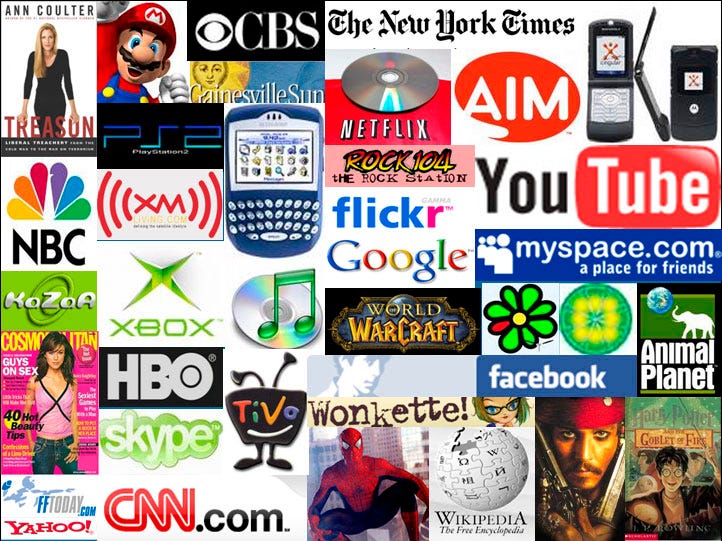
The intersection of pop culture and politics has become increasingly pronounced in contemporary society, with entertainment media playing a significant role in shaping political discourse, influencing public opinion, and reflecting societal values. From TV shows and movies to music, memes, and social media, pop culture has emerged as a powerful platform for engaging with political issues, mobilizing voters, and challenging established norms. In this article, we delve into the complex relationship between pop culture and politics, exploring how entertainment media impacts government dynamics and vice versa.
Pop Culture as Political Commentary
One of the most prominent ways in which pop culture intersects with politics is through political commentary embedded in entertainment media. TV shows like “Veep,” “The West Wing,” and “House of Cards” offer satirical depictions of government institutions, political figures, and the legislative process, providing audiences with a behind-the-scenes look at the inner workings of politics. Similarly, movies like “Wag the Dog,” “The Ides of March,” and “All the President’s Men” explore themes of corruption, power struggles, and moral ambiguity in the political sphere.
Celebrity Influence on Politics
Celebrities and influencers wield significant influence in shaping public opinion and political discourse. From endorsements and fundraising efforts to activism and social media campaigns, celebrities use their platforms to advocate for political causes, raise awareness about social issues, and mobilize their fanbases to take action. High-profile endorsements during election campaigns, such as Oprah Winfrey’s support for Barack Obama or Taylor Swift’s endorsement of Democratic candidates, can sway public opinion and energize voter turnout.
Memes, Social Media, and Political Activism
In the digital age, memes and social media have become powerful tools for political activism and grassroots mobilization. Platforms like Twitter, Instagram, and TikTok serve as virtual battlegrounds for political debates, where users share news articles, express their opinions, and engage in online activism. Memes, in particular, have emerged as a popular form of political expression, with humorous and satirical images disseminated widely across social media to critique politicians, mock policies, and rally support for causes.
Government Engagement with Pop Culture
Governments and political institutions also engage with pop culture as a means of connecting with constituents and shaping public perception. Politicians frequently make appearances on late-night talk shows, reality TV programs, and podcasts to reach younger audiences and humanize their public image. Additionally, government agencies and officials leverage social media platforms to disseminate information, engage with citizens, and promote policy initiatives in a more accessible and relatable manner.
Challenges and Controversies
While pop culture’s influence on politics can be a force for positive change, it also raises concerns about misinformation, polarization, and the trivialization of serious issues. Political satire, for example, can blur the line between fact and fiction, leading to misunderstandings or misinterpretations of real-world events. Moreover, the commodification of politics within pop culture can reduce complex policy debates to soundbites and spectacle, undermining substantive discourse and civic engagement.
Conclusion
The intersection of pop culture and politics reflects the dynamic and multifaceted nature of modern society. Entertainment media serves as both a mirror reflecting the political zeitgeist and a catalyst for social change, influencing public attitudes, mobilizing activism, and shaping the political landscape. As technology continues to evolve and new forms of media emerge, the relationship between pop culture and politics will likely continue to evolve, presenting new opportunities and challenges for civic engagement, governance, and democracy.


