
Pompeii The Doomed City
What really happened to them? what did they do are we doing same? lets find out what will our fate be
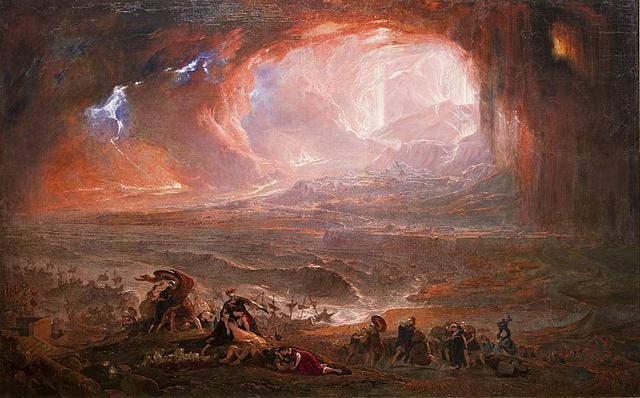
In Mount Vesuvius, the ancient city of Pompeii succeeded as a hub of Roman life. But its fate was sealed when the earth roared to life in 79 CE, burying the city and its inhabitants under layers of volcanic ash. The tragic events of that fateful day left Pompeii concealed for centuries, A society frozen in time. Yet, beyond the archaeological haunting casts, lies a cautionary tale that resonates with the uncertainties of our modern existence.
Pompeii’s residents went about daily, seemingly unaware of the slumbering giant that towered over them. The eruption of Mount Vesuvius was a cataclysmic event that shattered their world, revealing the fragility of human aspirations in the face of nature’s raw power. Like many civilizations before and after, the ancient Romans held beliefs in their own invincibility, assuming that their gods and ingenuity would protect them from harm. But this hubris was crushed under falling ash and molten fury.
A parallel can be drawn to our present era, where technological prowess and scientific advancements sometimes lull us into a false sense of security. Just as Pompeii’s residents underestimated the dormant threat above them, we, too, might be underestimating the potential outcomes of our actions on the environment and society.
Our dependence on unsustainable practices, disregard for ecological balance, and cavalier attitude toward the long-term effects of our decisions could lead us down a path where the very foundations of our existence could be shaken.
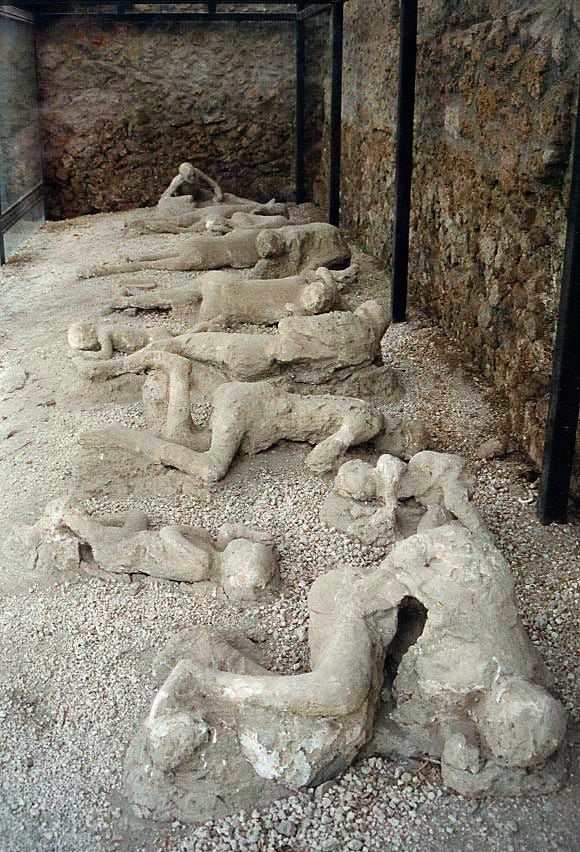
As the ash layers settled over Pompeii, its people were forever entwined with its ruins. The haunting plaster casts, capturing the final moments of individuals and animals, serve as a stark reminder of the impermanence of life. The people of Pompeii were abruptly severed from their routines, dreams, and aspirations, leaving a silent testimony to fate’s swift and unforgiving hand. Their intimate connection to the past beckons us to consider our legacy and the footprints we are leaving behind for future generations.
In our modern world, as we build monuments of glass and steel that reach for the sky, we must remember that our grand structures and towering achievements are not immune to the forces that shape our planet. Pompeii’s ruins tell a tale of arrogance, but they also whisper a message of humility. It is a stark reminder that no matter how advanced our society becomes, we must remain vigilant and respectful of the natural world.
The city’s temples, homes, and public spaces lay bare the rich tapestry of Roman life. Frescoes adorned walls, mosaics graced floors, and communal areas buzzed with activity. Yet, Pompeii’s cultural heritage, meticulously preserved in the volcanic outcome, now faces the challenges of preservation in the modern world. As tourists flock to witness the marvels of antiquity, the delicate balance between exploration and conservation must be struck.
This struggle to maintain the integrity of Pompeii reflects the broader challenges we face in safeguarding our heritage and traditions. As the relentless march of progress sweeps us along, there is a risk that our values, histories, and cultural nuances could be eroded or buried beneath the weight of a rapidly changing world. Just as Pompeii’s treasures require careful stewardship, our collective heritage demands ongoing dedication to ensure our roots remain intact amidst the whirlwind of change.
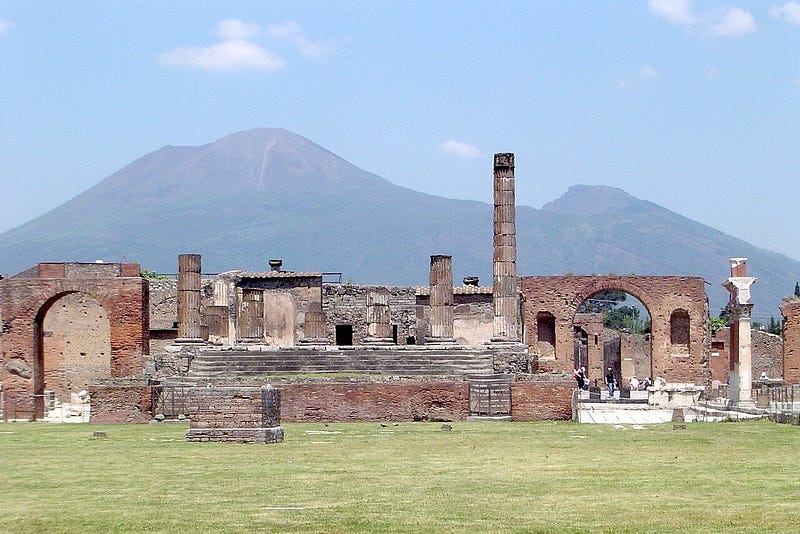
The Forum, Pompeii’s heart of civic life, stands as a testament to the interconnectedness of a community. It was a place where ideas were exchanged, decisions were made, and the rhythms of daily life converged. However, even the most vibrant and bustling of spaces can be silenced instantly. The suddenness with which Pompeii was enveloped by disaster raises poignant questions about the fragility of our societal structures and the interconnectedness of our global community.
In an age marked by rapid communication and unprecedented interdependence, the fate of one corner of the world can reverberate across the entire planet. Just as Pompeii’s Forum was a microcosm of Roman society, our modern world is a complex web of interactions where the actions of one can have far-reaching consequences. The lessons of Pompeii compel us to recognize our shared destiny and the power we hold to shape it, for better or worse.
The theater, where gladiatorial combat once full of spectators, now stands as a sad arena of reflection. The cheers and jeers have long faded, replaced by a haunting stillness that challenges us to confront the darker aspects of human nature. The echoes of the past compel us to examine the societal norms and practices we perpetuate today, acknowledging the potential harm they might inflict on individuals and communities.
While the battles waged in Pompeii’s amphitheater, reflect their time, we, too, find ourselves grappling with complex issues and moral dilemmas. The legacy of past generations reminds us that progress is not always linear and that the choices we make today will shape the world we pass on to future generations. Just as the theater’s legacy invites us to contemplate our values, we are called to critically assess the narratives we perpetuate and their impact on the world around us.
As we walk the ancient streets of Pompeii, where chariots once rumbled, and merchants peddled their wares, we are confronted by the fleeting nature of human achievements. The bustling thoroughfares that once thrived with life now lie silent, a poignant reminder that even the most vibrant cities can fall into obscurity. Pompeii’s fate is a testament to the ebb and flow of history, a reminder that civilizations rise and fall, leaving behind fragments of their existence.
As we look upon the ruins of Pompeii, we are compelled to reflect on the legacy we are crafting for future generations. The city’s tragic end is a stark reminder that our actions, beliefs, and choices will shape the course of history. Just as Pompeii’s residents were caught unaware, we must remain vigilant to ensure a sustainable and compassionate world that transcends the confines of our own time.
Ultimately, Pompeii’s story is not just one of loss but a powerful parable that challenges us to consider our path. Its ruins speak to us across the centuries, urging us to learn from past mistakes and forge a future grounded in humility, respect for nature, and a shared commitment to the well-being of all.
As we think our complex world, Pompeii’s voice echoes, imploring us to chart a course that steers us away from a similar fate and toward a future of enduring vitality and grace.


