
Poetry — You Don’t Need to Fear It, Embrace It
Anyone can write poetry. Here’s why you should try it.
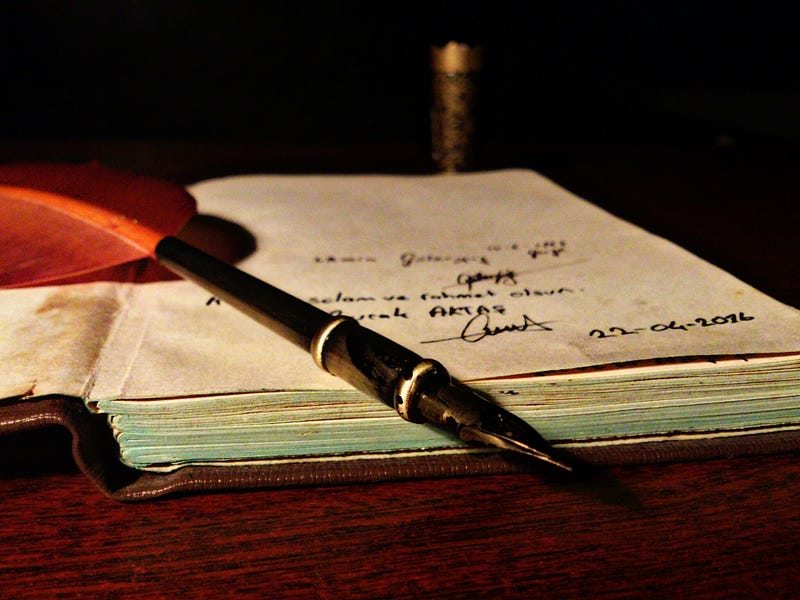
Do you write poetry? No?
What if I told you anyone can write a poem, and you should?
Writing poetry doesn’t require knowing how to read or write. According to Judson Jerome poetry existed before anything we would now recognize as a written language. Ancient cave carvings hint at how art and stories reflect the life of our ancestors.
“It is one of the characteristics that define us as humans…Where there are people, there is speech, where there is speech, there is poetry.” -Judson Jerome
Poetry Gives Power to Words
I don’t remember when I began writing poems. My poems expressed emotions and captured the images that other forms of writing could not.
For an adolescent girl who rarely spoke about feelings, poetry provided an outlet and an escape. I wrote them in notes slipped to a friend during class. Cards and letters might include brief stanzas that gave me permission to share emotions that failed in prose.
You may think you don’t have the skill or knowledge of poetic form. You can find all you need in your own mind.
“A mind that is lively and inquiring, compassionate, curious, angry, full of music, full of feeling, is a mind full of possible poetry. Poetry is a life-cherishing force…
For poems are not words, after all, but fires for the cold, ropes let down to the lost, something as necessary as bread in the pockets of the hungry.” -Mary Oliver, A Poetry Handbook
Poems as Life
Joan Lowery Nixon wrote a charming picture book about writing, If You Were a Writer. In the story, Melia wants to be a writer, like her mother. Melia wants a typewriter, so she can write. But her mother explains that writers need more than typewriters (or today, a computer and the newest writing app…).
“A writer works with words. If you were a writer, you would think of words that make pictures.”
You might think of poetry as words strung tightly together to emit feelings or emotions. Images come alive in brief strokes of color, alliteration, and sometimes, rhyme. For me, writing poems of all lengths and forms elevates the mundane in life to an extraordinary glimpse of untarnished truth.
I wrote the following poem to capture the essence of how I viewed this art form:
Poems — sights, sounds, words flying by in a frenzied state.
September 1993
To Write Poetry, Read Poems
Trust me. You can do this. For a moment, forget everything you heard from your high school English teacher. Don’t become obsessed with whether it rhymes or how many syllables in a line. Forget iambic pentameter, dactyl, or anapest. If you want to go there and learn the intricacies, start with Mary Oliver’s A Poetry Handbook.
You might start with blank verse. Allowing words to flow and take shape as you see them in your mind. Like the one above.
Mary Oliver suggests that to write poems you must read poetry. Read lots of poems of all types. Start with your favorites. Imitate the style of the poets you like. Consider signing up for a poem-a-day from The Academy of American Poets. You receive a poem each day from modern poets, just like you and me.
I will leave you with some thoughts from Shel Silverstein. His poems never cease to amuse and turn any melancholy day into a celebration of laughter. Enjoy and go write one of your own.
I made myself a snowball As perfect as could be. I thought I’d keep it as a pet And let it sleep with me. I made it some pajamas And a pillow for its head. Then last night it ran away, But first it wet the bed.
Shel Silverstein in Falling Up
Send me a note.
Share with others.
Get more at Inspiring #yourbest.
Kathryn LeRoy — writer, speaker, and coach — a relentless seeker of excellence, kindness, learning, and believer in the strength of the human spirit. My why — inspiring your potential to be and become your best.


