
Plastic in Our Food: Understanding the Risks and Taking Action
How Much Plastic Are We Consuming Daily?
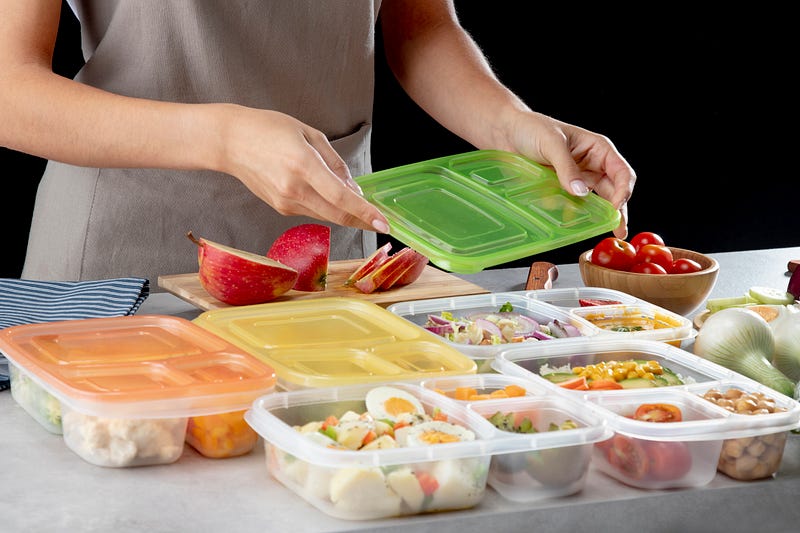
In recent years, there has been a growing concern about the presence of plastic in our food. It’s not just about the bottles and bags anymore; it’s about what’s inside our meals and snacks. Experts have sounded the alarm, highlighting the risks associated with consuming plastic particles regularly.
The issue stems from our plastic waste ending up in nature, where it breaks down into tiny pieces. These microplastics, as they’re called, find their way into the soil and water, ultimately being absorbed by the plants we eat and the animals that consume them. As a result, plastic contaminates our food chain.
Researchers have found that our daily diet contains significant amounts of plastic particles, with estimates ranging from 0.1 to 5 grams per week. This ingestion of plastic poses serious health risks, including the potential for developing diseases like colon cancer.
Some foods are more prone to plastic contamination than others. Liquids such as water, milk, and juices are particularly susceptible, along with meat, fish, fruits, and vegetables. Apples and carrots, for example, are among the most contaminated produce items.
But how does the plastic in our food affect our health? The long-term consumption of plastic in food can increase the risk of chronic diseases such as type 2 diabetes, heart disease, and colon cancer. These tiny plastic particles can find their way into our bloodstream and tissues, wreaking havoc on our health over time.
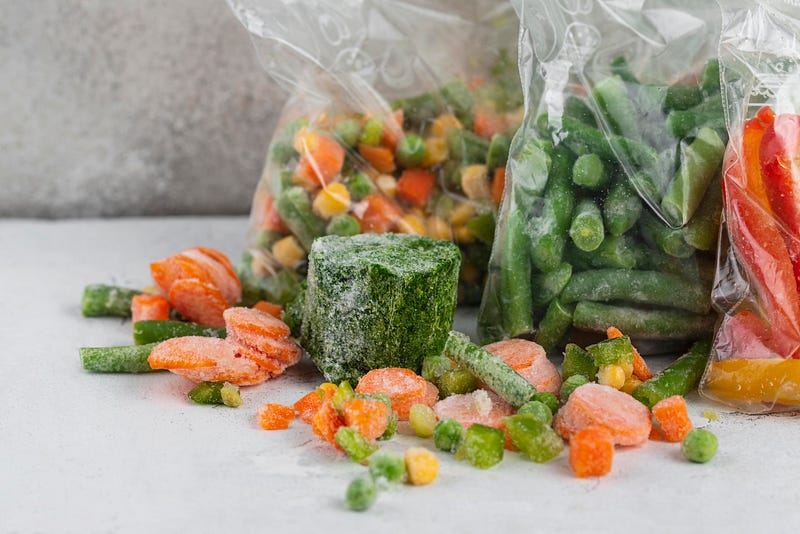
We must take action to address this issue. From reducing plastic waste to implementing stricter regulations on food packaging, there are steps we can take to mitigate the impact of plastic on our health and the environment.
One solution is to support initiatives aimed at reducing plastic pollution and promoting sustainable practices in food production and packaging. By opting for products with minimal plastic packaging and choosing reusable containers, we can reduce our exposure to plastic in our food.
Furthermore, raising awareness about the presence of plastic in our food is key to driving change. Educating consumers about the risks associated with plastic contamination and providing information on how to make healthier choices can empower individuals to take control of their diets and advocate for better food safety standards.
Environmental Impact of Plastic Contamination
Plastic contamination in our food not only poses risks to human health, but also has significant environmental consequences. Microplastics, once ingested by animals, can bioaccumulate in the food chain, leading to widespread contamination of aquatic and terrestrial ecosystems. Marine animals, in particular, are at risk of ingesting plastic debris, which can cause internal injuries, blockages, and starvation.
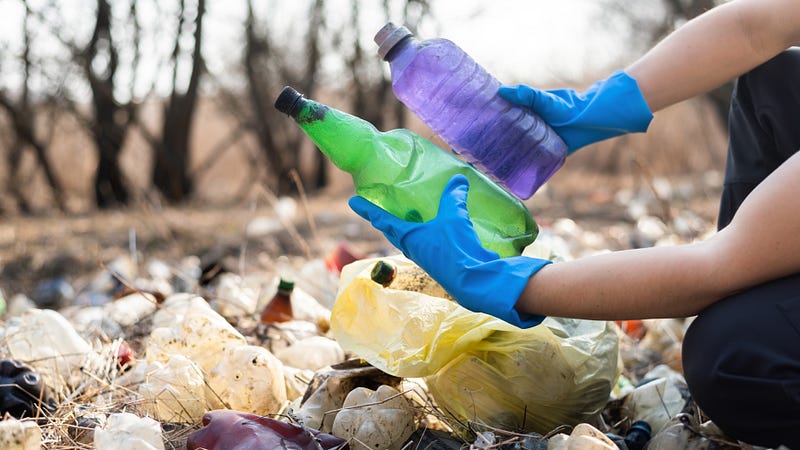
Moreover, plastic pollution contributes to broader environmental issues such as habitat destruction, marine pollution, and climate change. Plastic production and disposal release greenhouse gases into the atmosphere, exacerbating global warming and disrupting delicate ecosystems. Plastic waste also litters landscapes, pollutes waterways, and harms wildlife, posing a threat to biodiversity and ecological balance.
Addressing plastic contamination in our food requires not only individual actions but also systemic changes at the societal and policy levels. Governments, industries, and communities must work together to reduce plastic pollution, improve waste management systems, and promote sustainable alternatives to single-use plastics.
By understanding the interconnectedness of human health and environmental well-being, we can advocate for holistic solutions that protect both ourselves and the planet. Together, we can strive towards a future where plastic contamination is minimized, and our food and ecosystems are free from harmful pollutants.
In conclusion
The revelation that our food is contaminated with plastic particles is deeply concerning. This issue not only threatens our health but also the environment. Urgent action is needed to reduce our exposure to plastic and safeguard both our health and the planet. Through awareness, education, and collective action, we can change our habits and promote more sustainable practices in food production and packaging. It requires a concerted effort from consumers, producers, governments, and organizations to address this global issue and ensure a healthier, cleaner future for all.
Thanks for reading