Plastic-Eating Bacteria?! Meet The Recycling Heroes!
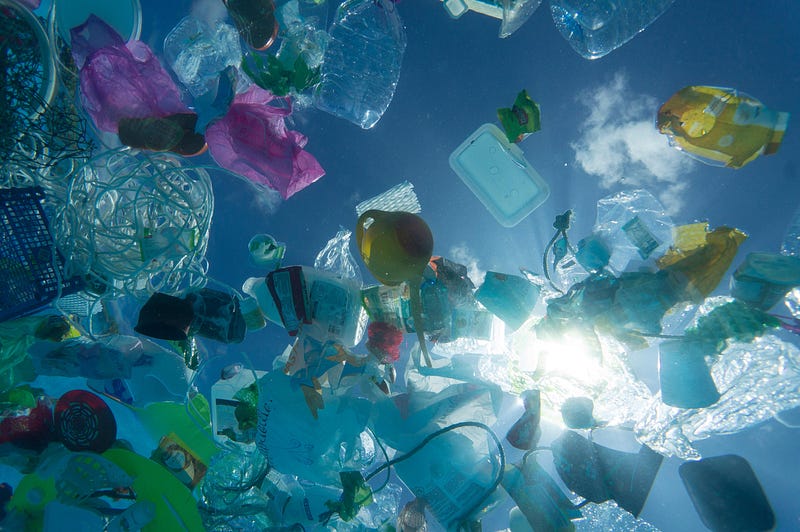
Ever thought about the amount of plastic you see and use everyday?
From the packaged food you buy to the water bottles you grab on the go and even the device from which you’re currently reading this article is probably made of plastic!
Plastic is EVERYWHERE.
Despite our best intentions, much of it doesn’t get recycled..
Unfortunately, the majority of it finds its way into our waterways!
It gets eaten by many marine animals causing them major health problems. Save The Sea Turtles… remember?
What if we have plastic recycling heroes here?
Researchers in Japan have made an incredible discovery!
They’ve found that certain bacteria can break down plastic.
These little heroes go by the name Ideonella sakaiensis.
It seems they’ve evolved to have a taste for a particular type of plastic known as polyethylene terephthalate, or PET for short.
You know, the stuff used to make water bottles and food packages.. It’s like their favorite snack!
And get this: they chew down on PET using a special digestive enzyme.
This enzyme breaks apart the big molecules in the plastic, turning them into smaller bits that the bacteria can feast on.
This is similar to the way you break down food.
Let the feast begin!
Imagine if we bring an army of Ideonella sakaiensis onto a bridge of plastic waste allowing them to have a feast of a lifetime!
That would be awesome, right?
Unfortunately, our heroes are quite slow (they probably like to enjoy their meal)
So… with all the plastic waste we humans have shamefully generated, it will take them decades to eat it.
But! As always, scientists are here to save the day!
They’ve engineered new digestive enzymes that speed up the plastic-eating process, breaking down bottles in days rather than months.
While it’s still a slow process, it’s a step in the right direction!
Could recycling factories one day be replaced by armies of plastic-eating bacteria!? I hope so! :)