
4 Things We Need To Teach Our Kids
Planting seeds for the future
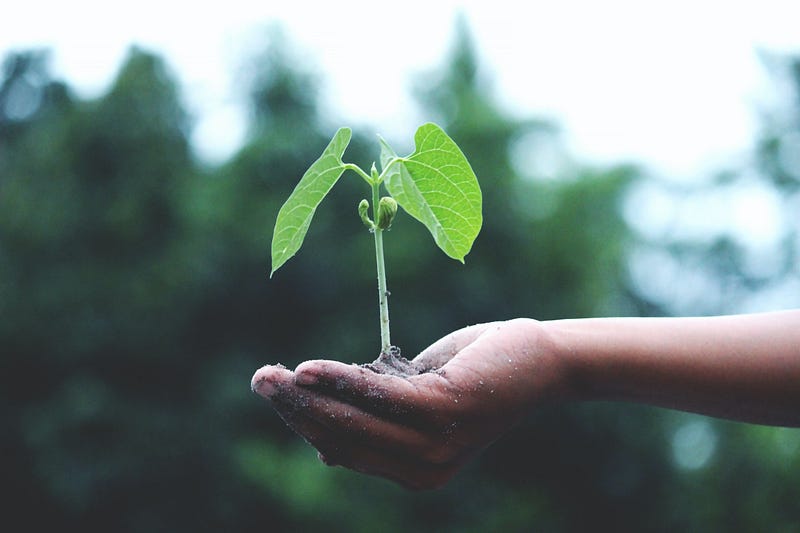
Our kids are the hope of the future. They hold the task of advancing civilization; building on what currently is, and shaping a new and better reality.
What we leave behind for them, however, is an absolute mess of a world.
Global warming, famine, inequality, corruption, materialism, terrorism, war, and oppression, are just a few of the countless issues plaguing our society.
So what do they need to learn, not only to survive but succeed in an ever-changing world that seems to be falling apart? Beyond the usual academics and seemingly essential requirement to be tech-savvy, what else do they need to know?
Here are my thoughts.
Humility
“Humility is not thinking less of yourself, it’s thinking of yourself less.” — C.S. Lewis
Probably the most fascinating quality you can possess, Humility is to not consider yourself more important than others; to not judge yourself or anyone else.
Humility is a catalyst for growth. It allows you to open up your mind to new possibilities, learn from others, and see every mistake as an opportunity to learn.
Teaching kids humility at a young age helps them recognize the value of learning from their peers. They should of course be confident in their own abilities, but also know that everyone they come across will know something they don’t.
If we grow up with a truly humble attitude, we not only open ourselves up to new ideas but also attract those around us. Humility is also a very attractive quality to see in a person. It makes you feel comfortable around them, listened to, and not judged; all the hallmarks of a great leader.
Of course, practicing humility doesn’t mean we see ourselves as weak. On the contrary. We recognize our potential but do not judge ourselves for falling short, instead seeing everything as a process, and our shortcomings as an area for growth.
Detachment
“True detachment isn’t a separation from life but the absolute freedom within your mind to explore living.” — Ron W. Rathbun
It has never been more difficult and necessary to practice detachment, a virtue that implies freedom, and the ability to control one’s feelings.
There are many levels to it and many things you could be detached from, but in the context of children, there are two main types of detachment that I see as essential to their growth.
The first is detachment from material things. The constant desire to possess more and more and being attached to the comforts and privileges of life are dangerous traits to have. Dependency on your possessions traps you and materialism denies you the ability to be happy with less. Teaching our kids to not let ‘things’ dictate their happiness, allows them better control over their life and the freedom to take risks in areas where it matters.
The second form of detachment is from other’s opinions. Bullying is real. Criticism is real. Judgment is all too common. Raising kids to be detached from their friend’s views gives them the strength to be themselves and follow their own hearts.
This doesn’t just go for negative comments, but positive ones too. Throughout our lives, we will hear plenty of noise from the outside world. Friends, family, and strangers will always have something to say. Having the fortitude of thought to listen to, take any value from, and then discard the opinions of others is a powerful tool to have. Whether you are being praised or absolutely destroyed, being deaf to the noise prevents you from becoming too attached to the validation and too affected by the criticism.
Detachment is freedom.
Gratitude
“Acknowledging the good that you already have in your life is the foundation for all abundance.” — Eckhart Tolle
To be grateful is to be thankful for what you have, to appreciate your circumstances, and not focus on the negative. Research shows gratitude increases our resilience, reduces our stress, and leads to an overall joyful and positive life.
There seems to be a lot of entitlement going round in society these days. Lots of competition to ‘keep up with the Joneses’ and a constant desire to live the lifestyles of those we see on social media. It’s easy to get caught up in the chase and lose track of our blessings.
Instilling gratitude in a child at a young age means they grow up focusing on positivity. By appreciating the life they were dealt with instead of drowning in their largely trivial problems, they build the capacity to overcome all obstacles and create happiness in any circumstance.
Gratitude is a powerful tool that also helps give them perspective. Someone will always have it better, but they in turn will always be better off than someone else. That’s life. And that’s the beauty of it. If they go through life practicing gratitude, they will always be content with what they have and be more likely to attract what they deserve.

To Dream
“All our dreams can come true, if we have the courage to pursue them.” — Walt Disney
Our education systems seem to encourage creativity, but largely box us in. We are taught to think critically and explore new ideas but are still graded on a fixed set of criteria.
But we still need to teach our kids to dream. To imagine, to innovate, think outside the box and take risks. They are constantly exposed to an endless array of possibilities but don’t see those opportunities in front of them. Their dreams tend to feel unreachable and their paths in life feel largely pre-defined.
Allowing them to dream gives them hope of a better future; a desire and belief that anything is possible if they work hard enough and aren’t afraid to fail. It offers them the chance to explore their passions at a young age and to make full use of their talents.
Dreaming should teach them to not just reach for the stars but also believe that they deserve success.
Feeling undeserving of our dreams and doubting our ability to turn them into reality is normal. Throughout our childhood we are told what not to do; the mistakes we shouldn’t make. We are trained to play life defensively, to avoid failure, and avoid looking bad by falling below society’s standards.
Regardless of a person’s upbringing or circumstance, they should have the chance to excel in life and reach their full potential. And to do so they need to strive for excellence and push the boundaries of success, instead of playing it safe in the game that others have created.
The mess we leave our children isn’t pretty. But it is what it is.
We likely won’t be the ones to fix it, but we can be the ones who empower the future generation to live better lives. Change won’t come from new laws, rules, or changes made at the top. Real change will come from the grassroots and serve as the foundation of a prosperous society.
Our kids are our hope. They are worth investing in. They will be the ones to build a better future through their humble posture of learning, their strong sense of detachment, their appreciation for everything they have been given, and their incredible dreams that will one day light up the world.


