
Plant-Powered Living: The Rise of Plant-Based Diets for Health and the Planet
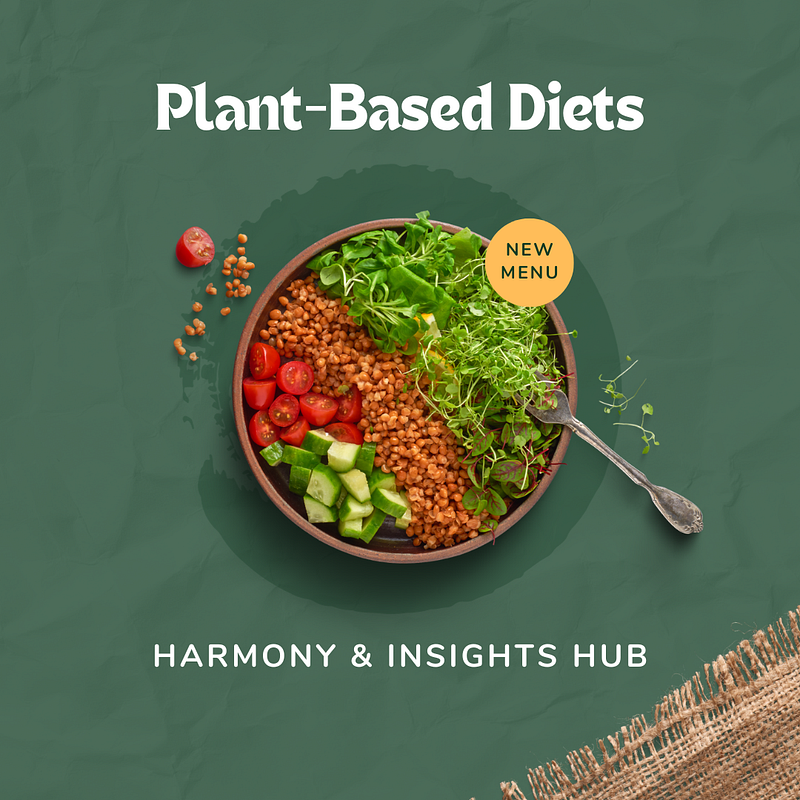
In recent years, a seismic shift in dietary habits has taken root as plant-based diets gain momentum.
Fueled by a heightened awareness of health benefits and environmental considerations, the embrace of plant-centric lifestyles is reshaping the way we approach food.
This blog post delves into the surge of plant-based diets, exploring their health advantages, environmental impact, and the innovative alternatives revolutionizing the culinary landscape.
Health Benefits of Plant-Based Diets
Plant-based diets, rich in fruits, vegetables, nuts, seeds, and grains, offer a myriad of health advantages.
Numerous studies link these diets to lower risks of chronic diseases such as heart disease and diabetes. The emphasis on nutrient-dense, plant-derived foods contributes to improved overall well-being.
Reducing Saturated Fats and Cholesterol
One of the key draws of plant-based diets is their inherent low levels of saturated fats and cholesterol. By minimizing or eliminating animal products, individuals adopting these diets enjoy a heart-healthy approach that supports cardiovascular health and lowers the risk of related diseases.
Environmental Impact
Beyond personal health, plant-based diets make a significant contribution to environmental sustainability. Reducing meat consumption directly correlates with a smaller carbon footprint and a more efficient use of water resources.
This eco-friendly aspect aligns with the global call for sustainable practices to combat climate change.
Innovation in Meat Alternatives
Responding to the growing demand for plant-based options, restaurants and food companies are pioneering innovative and delectable meat alternatives.
From plant-based burgers to protein-rich substitutes, these creations not only cater to a rising dietary preference but also redefine the culinary experience for both vegans and flexitarians.
Transforming Personal Health and the Planet
The adoption of plant-based diets represents more than just a change in eating habits; it signifies a transformation in personal health and a commitment to a sustainable planet.
As individuals choose plant-powered living, they become agents of positive change, contributing to a healthier world for current and future generations.
All-in-all, embracing plant-powered living signifies a deliberate commitment to a healthier lifestyle and environmentally conscious choices.
The convergence of health benefits, environmental awareness, and culinary creativity exemplifies the profound impact of favoring plant-based diets over animal products.
As this movement gains momentum, it not only promises to revolutionize individual well-being but also leaves an enduring mark on the sustainability of our planet.
References:
Satija, A., Bhupathiraju, S. N., Rimm, E. B., et al. (2016). Plant-Based Dietary Patterns and Incidence of Type 2 Diabetes in US Men and Women: Results from Three Prospective Cohort Studies.
Springmann, M., Wiebe, K., Mason-D’Croz, D., et al. (2018). Options for keeping the food system within environmental limits. Nature, 562(7728), 519–525. doi:10.1038/s41586–018–0594–0.