
CAMINO DE SANTIAGO
Planning To Walk The Camino
Let the games begin
The more I talk about it, the more I read about it and the more I firm up my plans, the more excited I become.
Now that I have made the commitment, to walk the Camino de Santiago this fall, the planning can begin. Trip planning is a challenge but it is also a lot of fun, at least for me. There are few things I enjoy more than planning trips (except maybe taking them), what to see, how to get around, and where to stay.
The first thing and most important planning decision is always where to go. I know my journey will start in Porto, Portugal, and will end in Santiago Compostela, Spain. The rest is a series of towns and villages I have never heard of before.
It looks like I may be doing the walk solo because my friend is having second thoughts and might back out. It’s not for everyone, I get that. Some people run marathons, I prefer to walk, hike, or cycle. And while I love to be pampered occasionally, I don’t mind roughing it.
This trip is going to involve a lot of micro-planning because I will be walking from village to village and town to town. Each will be about 20 kilometers apart, which is a reasonable walking distance, but this kind of trek means detailed planning.
I’ve decided that I definitely do not want to stay in the traditional albergues. I’ve never been good in a hostel or in ward-like sleeping arrangements. To me, that would be roughing it to the extreme. I prefer to know the people I’m sleeping with. Seriously, the noises and smells that are emitted by strangers would make sleep difficult for me, and I don’t usually have trouble sleeping. But if I’m walking 280km I am going to need all the rest I can get.
So with albergues out, that means I will be staying in private guest houses, small hotels, and inns, and some may have to be pre-booked because there are not a lot of rooms available in some of these small communities.
Tour companies will book the entire trek for you with whatever level of luxury you want, and they will even carry your backpack or suitcase from place to place so you don’t have to drag it around with you. But you will pay extra for those luxuries and I just prefer to do it myself, so there are fewer surprises.
The first thing I did was search for a detailed map of the route. Not surprisingly, I was able to put together my own on Google Maps with each town and village listed and even photos and links to check out along the way. The route isn’t written in stone yet but I think it gives me a good mix of a few long days, then a few shorter days, and building up to longer walks after that.
I even started looking up accommodations along the route I’m planning. Not too surprisingly I’m finding a lot of private hotels and guesthouses are already booked up.
Reluctantly I decided I would have to book some of my Camino accommodations before I go. But that will mean I will have to follow a strict itinerary. If I decide I want to stay in a location longer I won’t be able to do that and if I’m having a good day walking, I can’t keep going to the next town because that would mess up the rest of the bookings. I would have to follow a timetable and walk specified distances each day.
Alternatively, if I don’t book ahead and private rooms become booked up, I will end up having to sleep in albergues. And I definitely don’t want to do that.
Training my body and soles
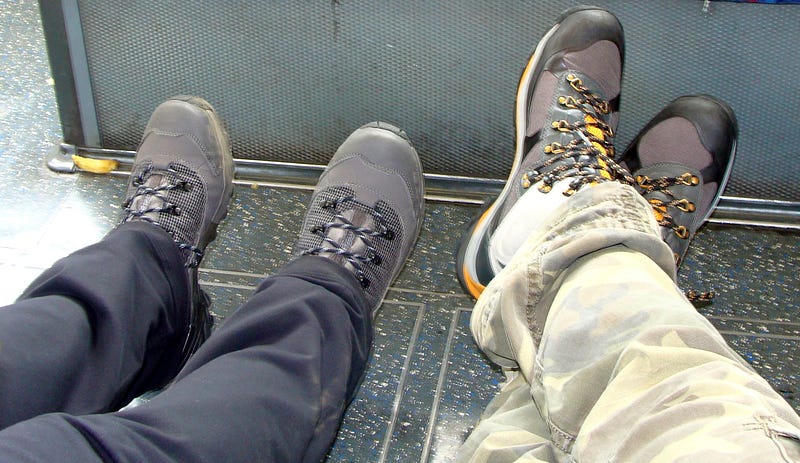
I got myself a solid pair of hiking shoes that I’m breaking in with some long walks. I have to start training for this marathon trek, even though it is still five months away. I have read, and I’ve been told, I should walk every day with one long hike or a long run of moderate intensity every week. That hike should make up about half of my weekly training time and can even be split into two consecutive days. It should be about 70% of the longest daily walk I can expect during the Camino, which is about 22km, so my long walk should be about 15km. That should be doable although I’m not quite there yet and will have to do it consistently. Once I get a new backpack I can also wear that on my walks to get used to the added weight.
These are early days in my planning process. I’m sure there will be many bumps in the road. So stay tuned and follow along as I get myself ready for the challenge.
I was inspired by my friend Debra Groves Harman, MEd here on Medium who has written about her journey and even created a new publication for stories about the walk. Here’s one of the first stories I read from her about the Camino that ignited the spark for me. See if it inspires you too.
Thanks for reading.