
Planning a Career Strategy is Overwhelming, but Worth the Reward
Especially when systemic barriers complicate planning
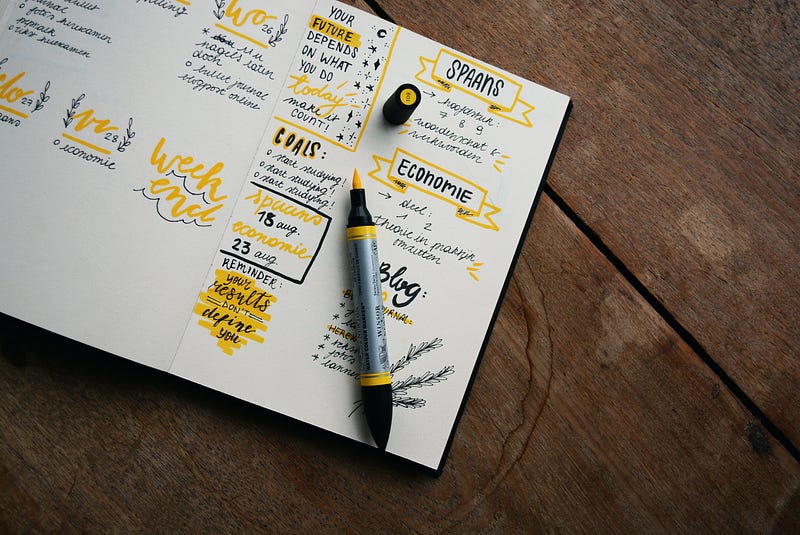
I’ve been a bit quiet on Medium again. This absence wasn’t planned at first. However, as time passes, I’ve decided to use this time to formulate my career strategy. Not just for the digital nomad life, but also a career in general.
I’ve written about preparation before regarding moving abroad (here’s one example). However, another context I’m preparing for is building a career in the sustainability field. After all, what better way to help save the planet than to turn it into a career?
Putting a plan together is difficult
Career planning has been quite overwhelming for two reasons. The first is the sheer amount of information I must absorb, prioritise and put into action. Building a career is a life-changing decision, hence it’s vital to take your time and do it properly. You’ve got to plan what to do, then prioritise what to do first and when and learn new skills. It’s harder than it sounds, especially when you factor in side hustles and other responsibilities outside your job, like running a household and caring for others.
Systemic barriers make things harder
What also complicates this is the second reason. I’m having to overcome systemic barriers society places upon me. As a woman in multiple marginalised groups, many people I encounter expect me to never have a career. And I assure you, when people believe you stand no chance of managing the world of work due to unconscious bias on their part, this drives their treatment of you. Examples of this range from unhelpful career advice from well-meaning but clueless career advisors to anti-discrimination laws that aren’t fit for purpose. Or more extreme but common cases, family and friends actively try to sabotage your career prospects (a form of financial abuse).
Without going into details on my own personal situation, this stuff takes its toll. Having to battle the related anxieties, trauma triggers, imposter syndrome and more is exhausting. It’s a tricky balancing act working out what’s OK to discuss at work, what jobs are suitable for you and (most critically) what helps you succeed.
Even without systemic barriers, building a career strategy is a tricky balance between building the theory, putting it into practice and looking after yourself. However, these added barriers make building a career strategy more complex than it is for the average person.
People with these systemic barriers must factor in extra things such as what environments are suitable to work in, and managing additional needs like health conditions and disclosure. Or more crucially, whether it’s even possible to work full time (if at all) until retirement age. Or, most optimistically, when the fight for Universal Basic Income and a sustainable post-capitalist society is won and people no longer have to work to survive.
How these extra barriers affect my strategy
Personally, these extra barriers are partially why I align towards sustainability as a career path (as it aligns with my passions and interests). It’s also why a remote-based career is equally vital alongside work-life balance, enabling me to travel abroad.
It’s also why passive income and side hustles are important to me, so I’m not relying on one employer for my income. I could find the best job in the world where I’m fully supported and accepted for who I am. However, the current state of the world means there’s no guarantee the job will exist in 5 years.
Bracing for the possibility of early medical retirement is also important to me (alongside obtaining dual nationality) so I’m not limited to the British Isles when I can no longer move or live anywhere else. And I say when — not if — because we’ll all become disabled at some point.
Yet this stress is all worth it
It’s a lot of extra work I shouldn’t have to do, frankly. Yet, I keep going. Despite the years of tears, anxieties, and confusion I’ve dealt with, it’s all worth it to build the lifestyle of my dreams. I was talking about this with a friend who responded with the sense of optimism and encouragement that keeps me going — “You will get there!! That’s the attitude that will get you there. Well done you!” It’s that kind of positive, uplifting support which makes all the difference.
Thanks for reading! If you want to support my work, you can:
- subscribe to me so you get an email whenever I publish something new at https://nomadmills.medium.com/subscribe
- follow me on Medium via my profile.
- read more of my articles, here’s one you might like:
This ensures I can keep doing what I love. Thank you so much!


