
Pixelated Hearts: Working with middle schoolers on talking about self-regulation
Ah, middle schoolers, the notoriously dysregulated age group. Not only are they undergoing a massive physical, hormonal, and emotional restructuring of body and mind but most middle schools introduce a significant demand increase in tracking multiple classes, expectations of different teachers, and a schedule jam-packed with transitions. Did I mention hormones?
Part of what I do is work with students to learn language to talk about how they are feeling- and ultimately what they need (from themselves or others) to make it through their days. Many schools work with general curriculums like Zones Of Regulation or the classic Feelings Wheel. Another common approach is just an old-fashioned Likert scale: If one is the worst and ten is the best, where on a scale of one through ten would you rate yourself today?
If there is one phrase I would guess is most uttered from middle schooler to adult, it is “I don’t know.” Sometimes it means just that- but oftentimes it means “I’m scared I’m wrong,” “I don’t have words for that,” “I’m not ready to expose that,” “I don’t want to talk about this,” “I don’t want to talk to you,” or “I’m scared of your reaction.”
I work with many students who have been struggling with self-harm and suicidal ideation. Frequently we will have a daily check in- both so we have a sense of whether or not they need extra support that day, and so they can start to reflect on their emotional state rather than simply reacting to it. The problem with daily check-ins is that their emotional state is in a constant state of flux. A check-in first period means nothing for how they will feel after lunch. We needed a new way to talk about things.
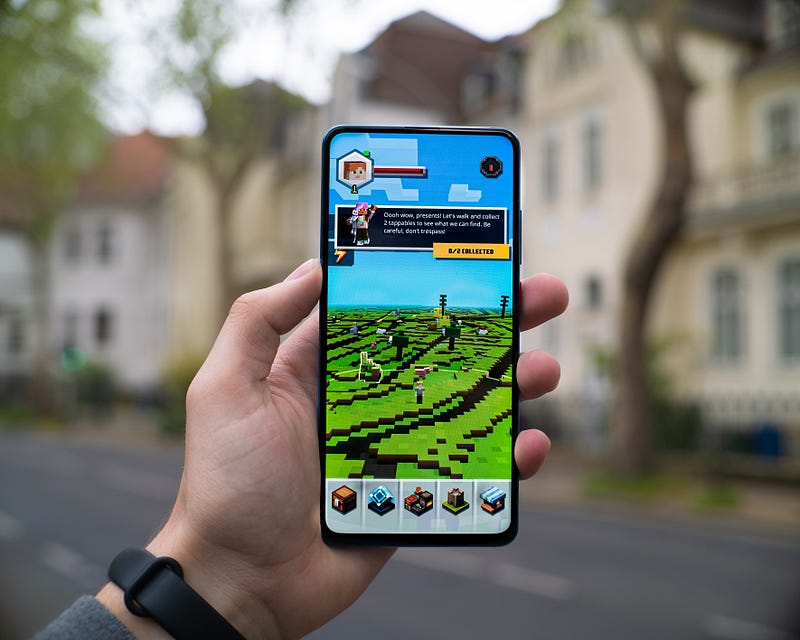
Enter Minecraft, that ubiquitously loved game of youth who really like creating things out of squares. In Minecraft there is a Health Bar- a line of small pixelated hearts- that shows how much health “life” you have left in the game. Get hurt? Lose hearts. Don’t eat? Lose hearts. Funny, it’s a lot like humans. In Minecraft you can regain hearts too. The quickest way to do this is by eating food- which is funny because I find one of the quickest ways to regulate an amped-up pre-teen is also to take a break and eat some food.
Using the Health Bar to talk about their day:
Amazingly, using a metaphor as an intervention has allowed us to get more specific not only in talking about how they are feeling in the moment but also in planning for regulating emotions later in the day. Kids are amazing problem solvers, that’s why they can be so creative and how they master video games. Self-application is an art, but the glory in this is that now we are using language the student has full confidence in- it’s not feeling language, it’s Minecraft language. There is no pressure to find the right feelings words or which zone they are in. And for the students who struggle with self-harm, we can identify how many pixelated hearts they need to be able to make safe decisions, or when they need adult support to stay safe.
A brief check-in might look like this:
How many hearts?
Down to 4, Ms. Becca.
Oh, is that enough to make it through the rest of your classes?
Probably not, I have a math test AND I don’t have anyone to sit with at lunch today. That’s like at least 5 right there.
What would help you get back more hearts?
And this is where the work is. If you can learn how you recharge your health bar, you are on your way to making great things happen.
Food.
Water.
Walks.
Talk with a friend.
Draw a picture.
Figure out something after school to look forward to.
Check-in with a trusted adult.
Each list is unique. Some things can be done alone, some things require support- but the key is being able to identify what you need, and to remember that your Health Bar is rechargeable. Even if it recharges slowly.
The other beauty of using this technique to talk to kids about feelings and vulnerability is that it shifts the focus away from them and towards something they can control and adjust. It’s hard to talk about yourself as something that needs changing or adjusting, especially when you are in one of the most fragile stages of your sense of self. It is much easier to talk about your feelings as something separate from you (Health points).
Middle schoolers are in the developmental gray area- they can take on more and more adult ideas and reactions, but they don’t have a ton of practice and experience. Their brain is still developing so guidance is vital, but they also need independence and respect. Collaboration on how to talk about hard things is respectful of where they are while also teaching them a new skill.
I hope this article has been helpful! If so, consider becoming a Medium member for only $5/month. I earn a small commission if you sign-up using my referral code at https://medium.com/@beccadornmedeiros/membership