
.jpg)


Pioneering Railroad Made Mistakes that Led to Nightmare
Money Made Greatest Challenge of This Pioneering Railroad Article One of a Two-Article Series.

Introduction
I want to tell you about a railroad that operated in the northeastern states of Vermont and New York. It ran from 1843 to 196, sat idle from 1961 -1963, and then parts of the railroad were taken over by the State of Vermont and are now run by the Vermont Railway. Rutland and rural Vermont were a lot the same.
This railroad started in the mid-nineteenth century but came to its own at the beginning of the twentieth century. The backbone of this railroad’s freight locomotive fleet was the 4–6–0 and the 2–8–0 locomotives in their livery. (“Rutland Railroad”, 2024)1
This is article one of a two-article series. In this article, we will look at an introduction to Rutland Railroad, the beginning of Rutland Railroad, Dieselization, company restructuring, construction and the early years, name change, receivership, Rutland gains access to Canada, bridge access, railroad lines, and then an introduction.
The Beginning
During World War I, the U.S. Railroad Administration allowed the railroad to acquire six light Mikado’s and a couple of 0–8–0s. Passenger services came from the 4–6–0s until about the middle of the 1920s, when it purchased three Pacifics, and then again near the end of the decade when the railroad purchased three more. These were to be the last purchased for 15 more years. (Solomon)2
Dieselization
Instead of investing in dieselization after World War II, the railroad purchased four 4–8–2 Mountain types. These locomotives arrived in the handsome dark green paint. Steam had served this company well, but diesel locomotives and Rutland’s declining rail traffic led the railroad to adopt six Alco RS-1s, nine RS-3s, and a single General Electric 44-ton switcher as its motive power requirements. (Solomon)2
Company Restructure
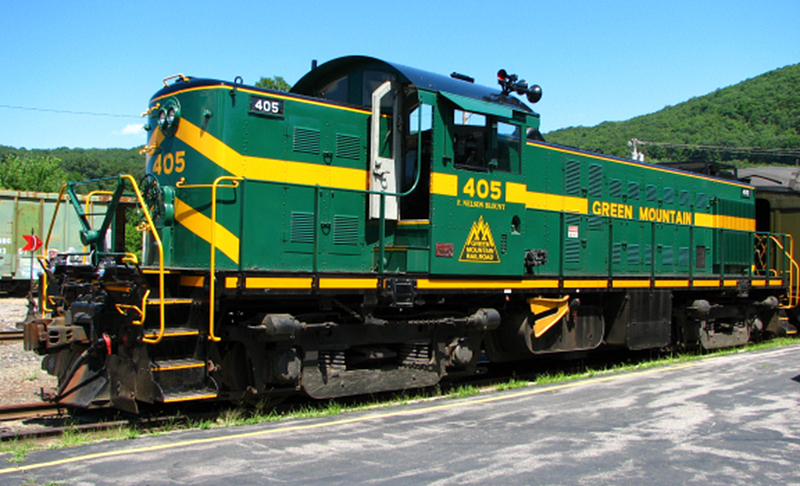
In the 1950s, the railroad restructured and abandoned parts of its lines and then discontinued passenger services. Employment strikes led the company to their end. Rutland sold its locomotives to the Louisville & Nashville Railroad. Louisville and Nashville Railroad bought the RS-3s. The Green Mountain Railroad bought one RS-1 Number 405. Green Mountain Railroad is a short line created in 1964 that operates on the Rutland-Bellows Falls tracks. (Solomon)2

.jpg)
Construction and early years
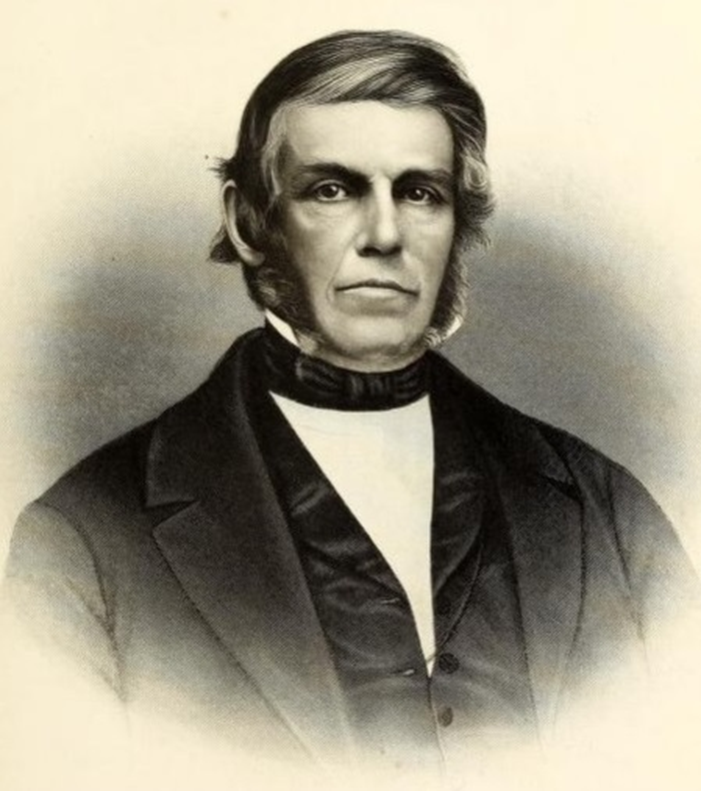
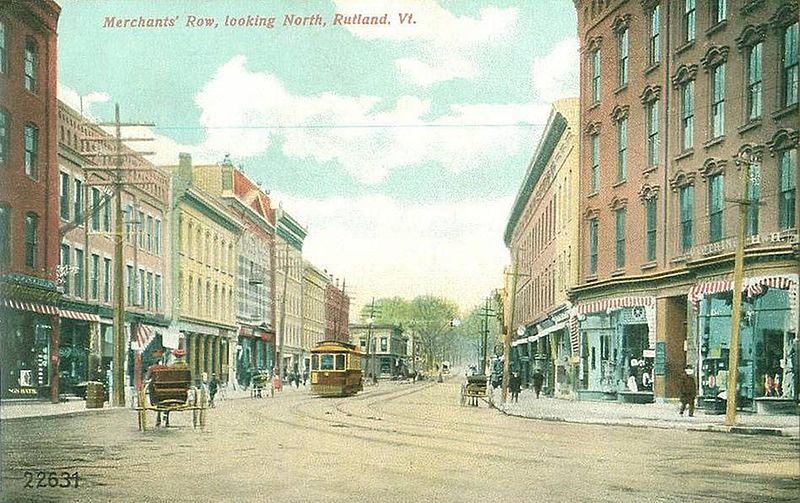
In 1843, the State of Vermont chartered the Rutland and Burlington Railroad. The intent was to build between Rutland and Burlington. The state created the railroad commissioner in 1855 and charged that office with railway construction, maintenance, and operations oversight. The first commissioner appointed to the position was Charles Linsley. (“Rutland Railroad”, 2024)1
Name Change
Rutland and Burlington’s counsel and a member of its board of directors also helped operate the line. By 1867, the Rutland & Burlington Railroad had changed its name to the Rutland Railroad. (“Rutland Railroad”, 2024)1
Receivership
From 1871 to 1896, the Rutland Railroad was leased to Central Vermont, regaining its independence when it entered receivership. Receivership is a situation in which an institution or enterprise is held by a receiver — a person placed in the custodial responsibility for the property of others, including tangible and intangible assets and rights — in areas where a company cannot meet its financial obligations and is said to be insolvent. The New York Central Railroad controlled Rutland around 1904 but sold half its shares to the New York, New Haven & Hartford Railroad in 1911. (“Rutland Railroad,” 2024)1
Rutland Gains Access to Canada
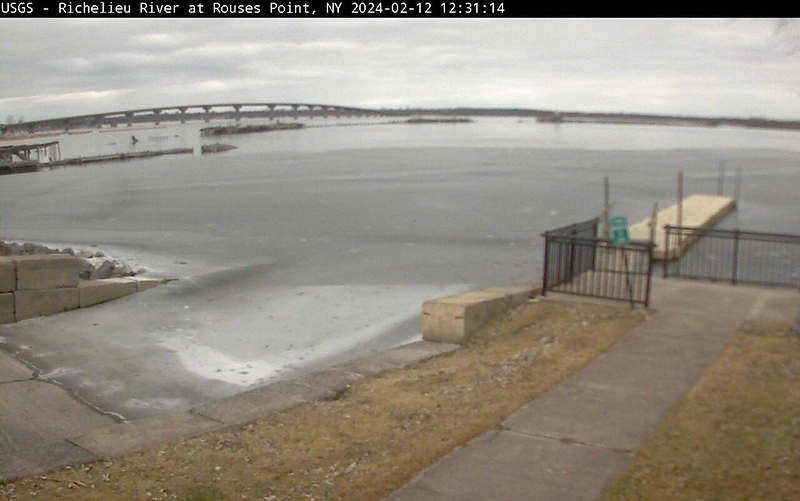
In 1901, the Rutland Railroad completed the construction of a system of causeways and trestles across Lake Champlain, through the Champlain Islands of South Hero and North Hero, to connect Burlington, Vermont, and Rouses Point, New York. This construction aimed to give Rutland access to Canada, independent of the tracks of the competing Central Vermont. (“Rutland Railroad”, 2024)1

Bridge Access
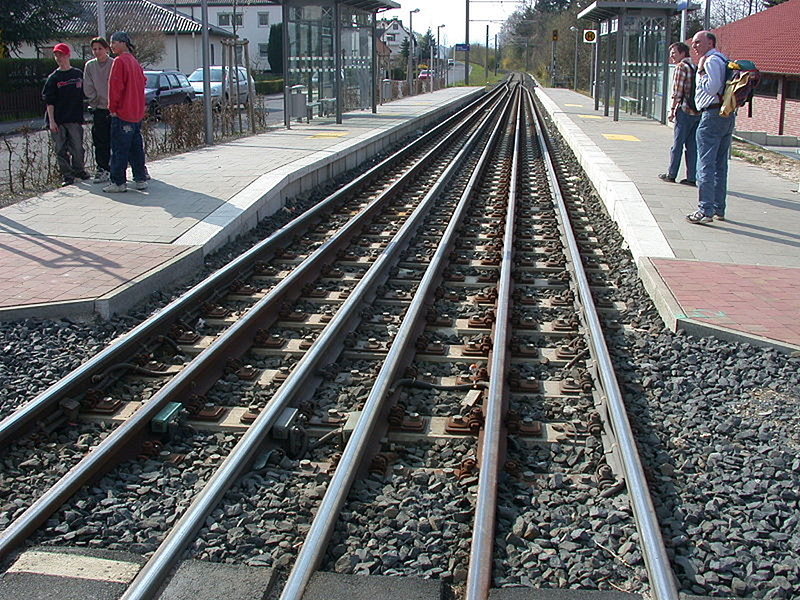
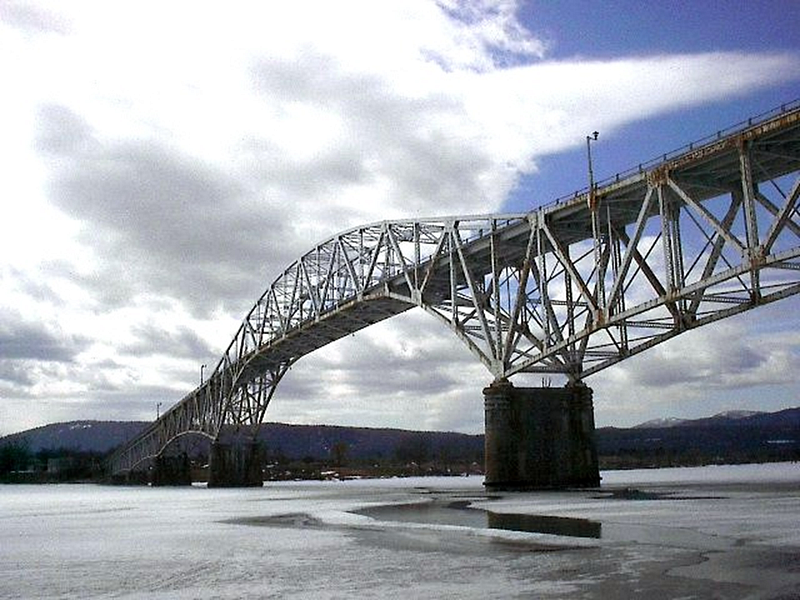
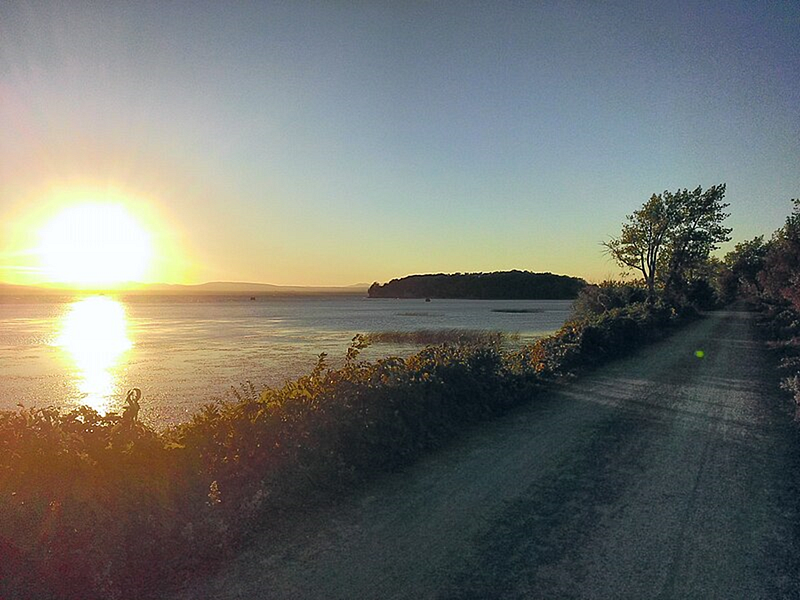
Both companies shared the same bridge over the Richelieu River at the final approach to Rouses Point using an unusual gauntlet track, which allowed sharing without the need for switches: just one train would occupy the bridge at any time. A recreational trail (The Island Trail) now lies where the causeway between Burlington and South Hero was. (“Rutland Railroad,” 2024)1
Railroad Lines
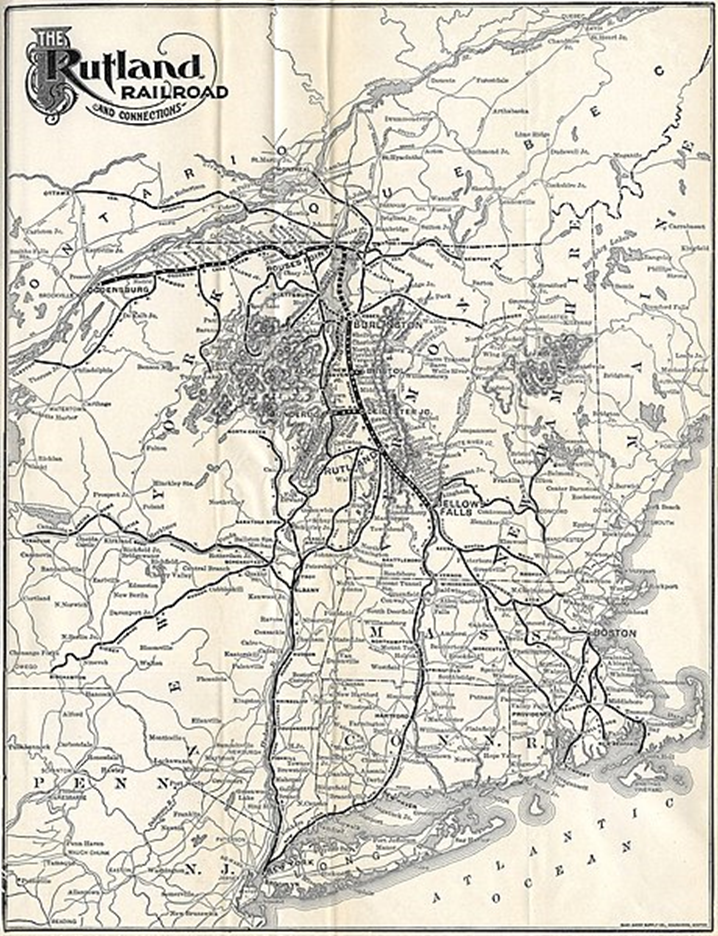
The company also had a line from Rutland southeast to Bellows Falls, in southeastern Vermont on the Connecticut River just opposite North Walpole, New Hampshire (still operated by the Vermont Railway), and a line from Rutland south to North Bennington, then to Chatham, New York. (“Rutland Railroad”, 2024)1
The Green Mountain Flyer, an international day train between Montreal, Quebec, Canada, and the Northeast United States, was operated by the Rutland Railroad. It also operated a night train counterpart, the Mount Royal, from Montreal to New York City via Burlington and Rutland. (“Rutland Railroad”, 2024)1
Conclusion
This is the end of article one of a two-article series. In this article, we looked at an introduction to Rutland Railroad, the beginning of Rutland Railroad, Dieselization, company restructuring, construction and the early years, name change, receivership, Rutland gains access to Canada, bridge access, railroad lines, and then a conclusion. Please stay with us as we move on to article two of this series under the same title and subtitle, except for each article being marked as the number in the series.