
Pink Shoes and the Sixth Grade Queen
It was a spring day in elementary school when it happened. The day before, I was just like everyone else. The day after, an outsider. And it all started with Crystal, the queen of the sixth grade.
She was new that year, a phenomenon in our small-town school where everyone knew each other since kindergarten. In movies, the new person is always the outcast, the one who wears last year’s fashions while sitting alone at lunch. But not Crystal. She slid easily into the popular crowd, weaving her way in like a cat rubbing against a bare leg. I still remember the way she looked. Brown hair cut just below her shoulders. A loose t-shirt tied in a knot over skinny jeans pegged at the bottom. White Keds over low profile socks on her feet. I remember because all the girls started looking just like her.
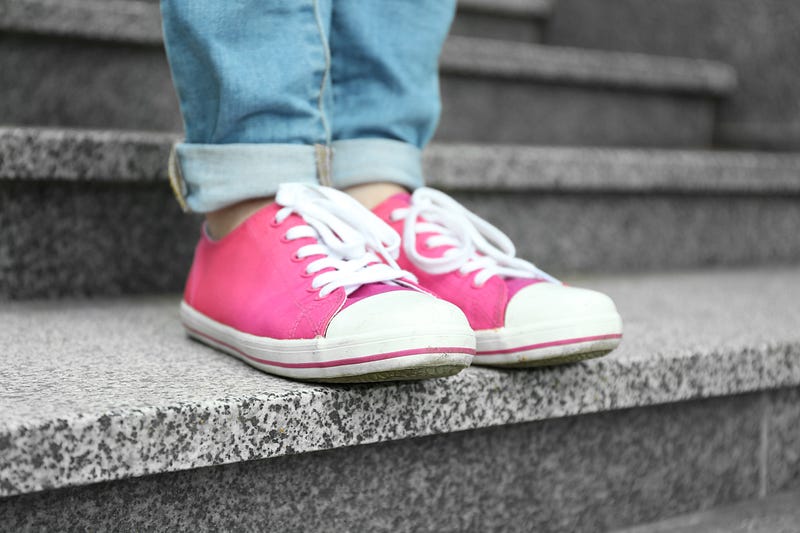
That should have been my first clue. I didn’t own any jeans, but as the daughter and granddaughter of seamstresses, I had plenty of homemade dresses. I wore these often, twirling the bell skirts on the playground while waiting my turn for Double Dutch. I also wore Keds, but they were my favorite color of pink worn over long socks that ended just below the scabs on my knees. One time there’d been a scavenger hunt at school, and everyone wanted to talk to me. Why? Because one of the items was the name of someone wearing pink shoes, and I was the only one in the whole school.
Despite all this, I had no idea I was different. That is, until the auditions.
Crystal hadn’t even been at our school a month when she sat on a bench outside our shared classroom, her besties leaning into her as if she were the support beam to their friendship, and a line of girls waiting their turn to speak to her. The rules were this:
1. The girl at the front of the line, aka the candidate, would step forward and ask if she could hang out with Crystal.
2. The candidate would then have to wait away from Crystal and her friends while they discussed the situation.
3. One of the besties would then approach the candidate and let them know the verdict.
4. If accepted, the candidate could then move to the part of the playground where the other accepted candidates now sat around.
5. If denied….well, it wasn’t clear what happened if someone wasn’t accepted, because it seemed that everyone who asked was allowed in Crystal’s club of friends.
I had two best friends in sixth grade, and all three of us watched this circus go down, laughing at how stupid everyone was being. I definitely did not need some new girl telling me who I could hang out with and where I could play at my school, so I was not about to stand in that line and be one of the lemmings. But curiosity got the better of my friends. I stood off to the side while they tried their luck with Crystal. I may not have fed into the caste system at school, but I did know that we weren’t the prettiest or most popular girls in the sixth grade. Not only that, but I felt for my friend, Stacy, who I knew wouldn’t get in. There was that incident in kindergarten on the bus ride home — the one where a river of pee traveled from the back of the bus to the front, the grooves in the center aisle making a perfect ditch for the amber liquid. Everyone saw it. Everyone screamed. And when we reached her stop, Stacy had to do the walk of shame from the back of the bus to the front, a darkened half-moon shape on the back of her pants.
“We got in!” my friends cried. They’d abandoned Club Crystal for a moment just to give me the news before making their way back to the sanctioned off part of the playground.
“You should stand in line,” Cara said, and Stacy nodded in approval. “That way we can all hang out together!”
I still thought everyone was being stupid, but my part of the playground was looking awfully empty. Across the way, girls sat cross-legged in groups of four or five, their heads nearly touching while they probably talked about being cool and stuff. I rolled my eyes and stood in line, feeling just as dumb as the whole situation. When it was my turn, I asked the obligatory question, embarrassed at how much hope dripped into the question.
“Can I hang out with you?”
Crystal smiled, turning to the girl who sat on her left, and then the one on the right. One of them whispered in Crystal’s ear, who listened and then nodded. She turned back to me but didn’t say anything.
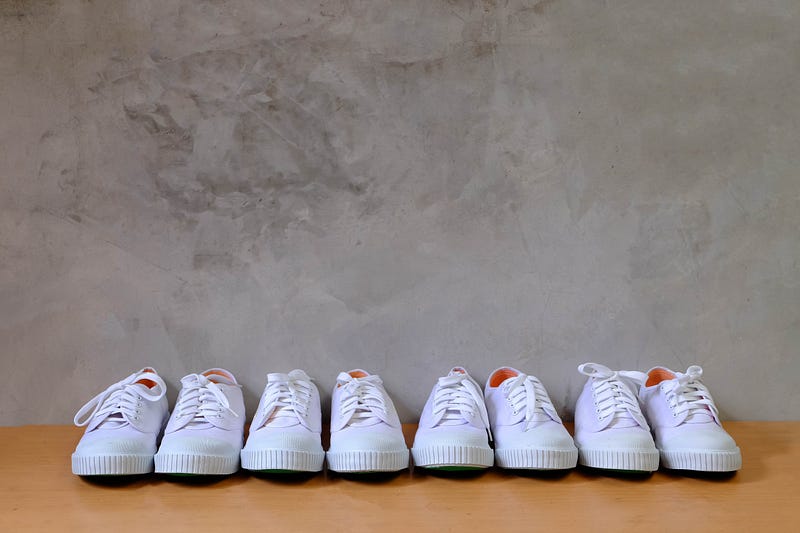
“You’ll have to wait over there,” the bestie on her right said. I took my place over by the hopscotch, standing on the number eight and staring at the three girls huddled together, their white Keds crossed at the ankles underneath the bench, lined up like shells on an unblemished beach.
After a few minutes, one of them broke away and walked toward me, and I averted my eyes to the clouds as if I’d been watching them the whole time.
“Crystal says you can’t hang out with us,” the bestie said. “Sorry.”
The whole school sat in groups on one side of the playground, and I was an island on the blacktop sea. It felt like I’d just figured out what everyone else already knew — I didn’t belong. My friends came back, telling me the whole thing was stupid and that they’d ditched Club Crystal and would rather hang out with me. Their loyalty helped, but the truth was still there. I was different. Discarded. Unwanted. A mere tag along.
And it took a new girl to make me see the light.
Thirty years later, and now I’m the new girl. I’d been in my job for just a few weeks while everyone else had years under their belts. This was the kind of place where people didn’t just work together, but they knew each other’s spouses and kids, and they hung together outside of work hours. I’d come from a workplace where people just did their jobs and went home, so this friendly environment was a little jarring. I smiled as one of my coworker’s gushed about Amelia, the girl who sat in this desk before me. She was the one who trained me, and she was every bit as fabulous as my coworker was describing — young, fun, tall, and sexy with a British accent. It was the opposite of me — a short bookworm who could make much better use of her gym membership.
“So, what are you wearing to Amelia’s birthday party?”
I looked up, excited for a moment at the prospect of being included so soon, but realized the question wasn’t directed at me. Olivia leaned over Rachel’s desk while they compared notes. Olivia, who’d been here a whole week longer than me, and she was discussing a birthday party I obviously wasn’t invited to.
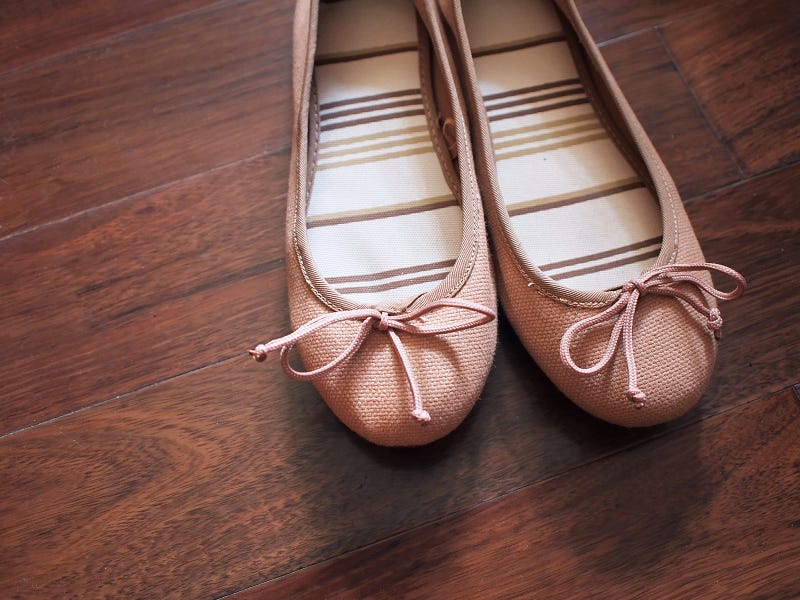
I pretended to be engrossed in my work, holding my breath so I could hear the conversation better. They were going sexy casual, pairing jeans with high heeled boots. I tucked my ballet flats under my chair, typed something, then deleted it. They finished comparing notes, and I waited for the conversation to shift in my direction. It never did, and I went home with a pit in my stomach, ready to quit my job and find one where people just did their jobs and didn’t make plans in front of those who weren’t invited.
But I didn’t quit. Over the next two years, I got to know my coworkers better, and their spouses and kids. Eventually I wasn’t the new girl anymore, and the invitations started coming my way. It felt good to be included, but deep down I still felt like the tag along, the pity invite, the one no one wanted to hang out with but invited just to be nice.
And then there was the time I suggested a girls’ night movie to one of my coworkers.
“Sounds fun!” she said. “Why don’t you put something together and invite the girls.”
This was a novelty. Me? Invite people? I was the one waiting to be invited. I didn’t DO the inviting. I must have stressed about the invite list for days, making sure I didn’t forget anyone. It felt like a huge responsibility to pull together a social event, and the last thing I wanted was for anyone to feel like they didn’t belong.
I was the one waiting to be invited. I didn’t DO the inviting.
I sent the invite out, and then waited. One by one, everyone accepted, thanking me for putting this together. And I realized how easy this was, the thing I was making so difficult. It wasn’t about who was most popular, it was about who was leading, and who was just following.
I was a follower. I didn’t make the plans, I waited for the plans. I waited for someone to invite me and say I belonged. But why was I giving someone else that much power over my worth?And why hadn’t I seen that anyone can be included, especially if they’re the ones in charge? All it took was a simple invite to the movies to unravel everything I believed about myself all these years.
Well, sort of.
Just this week, Olivia was at Rachel’s desk again, talking about a party they were going to next week. Old habits die hard, and my ears strained to hear the conversation I wasn’t a part of about a party I knew nothing about. I tried not to feel disappointed. I’m not the party type, I told myself. It’s not like I even have enough time to party like these people do. But still, I wanted that invite. I wanted to belong. I wanted to stop being such a loser and start being the girl people came to first when there was some fun to be had.
“Crissi, are you going?”
I jerked out of my thoughts as Olivia waited for my answer.
“What party? When is it?”
“It’s next Tuesday night after work. Are you going?”
I immediately felt relief. On Tuesdays I have class.
“Nah, not this time,” I said, leaning down to tighten the laces on my pink tennis shoes. “I’m busy.”

Like books about the underdog? Join my VIP Reader’s Club to receive a free gift, and find me on Facebook, Twitter, or Instagram, website at crissilangwell.com.


