
Pigeons Beware, Pigeons Prevail
History of pigeon population control in cities
If you live in a city, you probably know these guys:
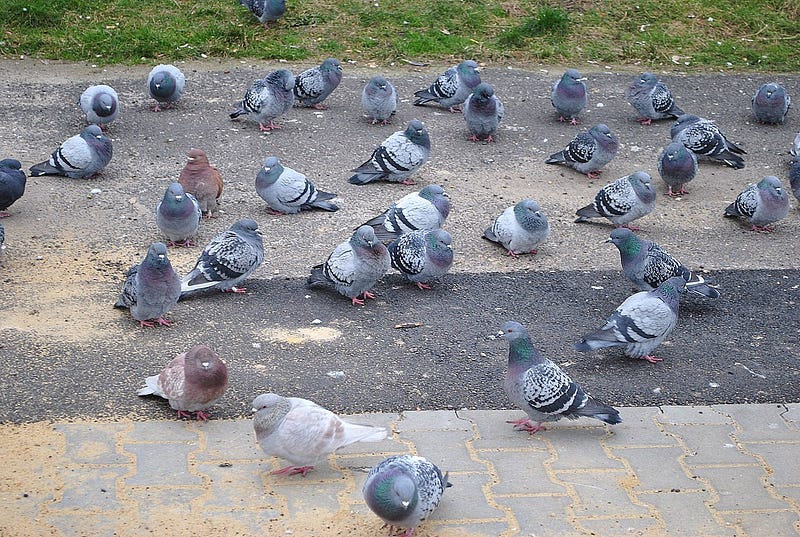
And if you, or your friends ever experienced a pidgeon abundance in your area or balcony, you may not be as friendly to them as to other birds.
Pidgeons (not) welcome
Overpopulation of birds in a specific area is dangerous both for birds and humans. Birds get sick more often, are malnourished and humans don’t like the sight of sad, sick birds.
Because of that, humans were trying to reduce the population of pidgeons, first with killing a part of the flock.
Did it work?
Absolutely not.
Basically, once the pidgeons realized their population was reduced, they were more eager to reproduce. When in the 80s in Barcelona they unethically killed off the population of those birds, the density of pidgeons was reduced from 948 in 1986 to 940 in 1990, a minor difference that wasn’t even felt in the city.
Falcons welcome?
The relatively new approach taken in Poland is encouraging common kestrel falcons to come to the cities. It’s already a natural process, as in some areas 33% of kestrel falcons are living in the city.
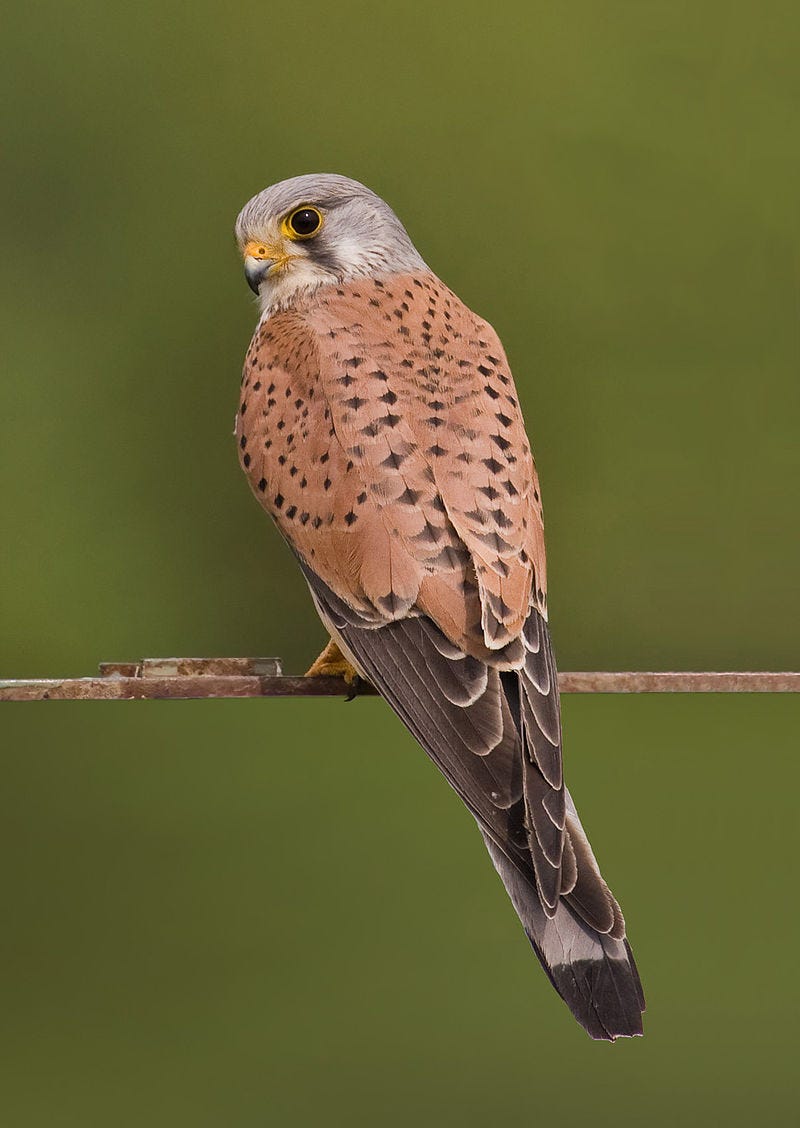
The question remains whether in the long run it’s a good approach, or we’ll just see more malnourished kestrel falcons in a couple of years.
What works for both pidgeons and humans?
There is an ethical and effective solution to overpopulation of pidgeons — responsible management of the cote, so the place where pidgeons live.
A cote is created where pidgeons have good quality food, instead of whatever they find in trash cans. Then, when they leave eggs, a part of them is replaced with fake ones (never all of them, because pidgeos will leave the place). Pidgeon population is reduced but present, birds are healthy as they eat quality food and clean as they nest in well-managed locations. Thanks to that cote management, in Switzerland the pidgeon population was reduced by half.
Pidgeons were happy and healthy, and humans were happy — as city birds are often the only companions of those lonely and unable to travel long distances. So, whenever you see a pidgeon, don’t take them for granted.


