
Physician Burnout Falls Harder on Independent Practices
Doctors are spending two hours inputting data on electronic medical records and doing other administrative work for every hour they spend at the patient’s bedside, according to research from the American Medical Association.

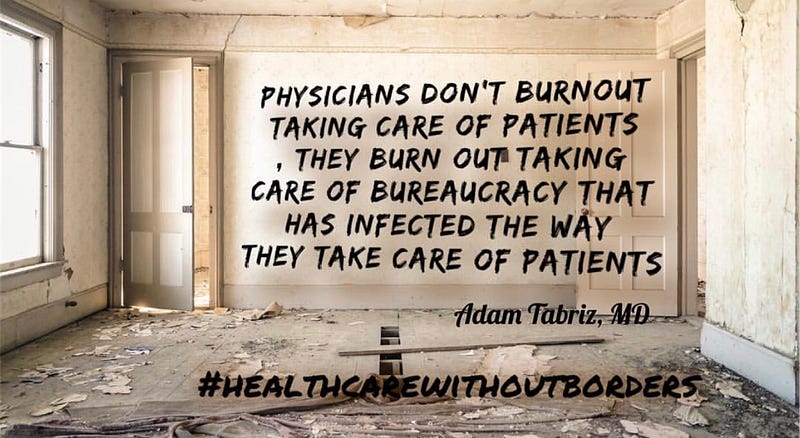
The administrative burden — which is heaped onto doctors who already work long hours — is a major contributing factor to physician burnout, which now affects more than half of all doctors in practice in America today.
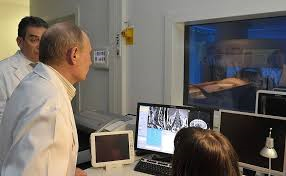
Stanford University, Harvard Business School, The Mayo Clinic and the American Medical Association are studying the costs associated with physician burnout, including the cost of recruiting and training a new doctor if a physician quits his or her job. Some experts say that, for a hospital or health network, the cost of replacing a physician can reach $1 million.
But in underserved parts of the country, the cost can be far higher. In areas that are not well-served by the managed care system — including urban and rural areas — physician burnout can easily mean that another independent medical practice will be closing its doors. For many patients, this will mean the loss of convenient healthcare access and the end of a genuine doctor-patient relationship that can be much harder to find in the managed care system.
A major hospital having to spend $1 million to replace a physician represents one kind of loss. But the closure of independent practices — which is happening at a faster rate today than at any time in the past — represents a more significant loss.
It’s a loss of choice for both consumers and doctors, and another step in the direction of fully commoditized care in America.
The independent medical practices that continue to operate are doing what every provider should be doing: putting the patient at the center of the healthcare equation, instead of reimbursement issues or political mandates. Their independence facilitates real dialogue and real relationships with patients.
But these are the physicians who are perhaps the most at risk for experiencing burnout because they do not have the same resources to cope with administrative and compliance work that managed-care doctors have.
Larger health networks have sophisticated technologies and paid consultants who can divert some of this work away from physicians, but independent physicians face many of these same challenges alone.
Building new systems of practice management for doctors outside of managed care can put them on an equal footing with physicians who belong to larger networks and alleviate the burnout that is a major contributor to the closure of independent medical clinics.
Independent practices should have access to an open healthcare marketplace, where they can access consultants and other experts to help them solve problems. Patients should also have an open, virtual healthcare market where they can select the care and the caregivers they want.
With access to an open healthcare marketplace, and with the proper cloud-based technology for practice management, independent medical practices can thrive, create jobs, serve as the primary point of care for underserved areas and continue to offer consumers a wider choice in their selection of healthcare.
Major medical institutions and healthcare networks are now trying to reverse physician burnout, and are launching a range of different initiatives to take some of the burdens off doctors.
But we need an even more robust program for independent physicians because they are disappearing fast.
The solution will be an open healthcare marketplace where doctors and patients can find one another based on individual preference and need, and a system of practice management that includes both cutting-edge technology and human expertise.


