
How Did That Red Thing Get Into The Olive
This was a question that I asked myself as a kid. As an adult, after extensive research, I’ve found the answer. I’m submitting my studies as an article on Medium in hopes it will go viral — my first.
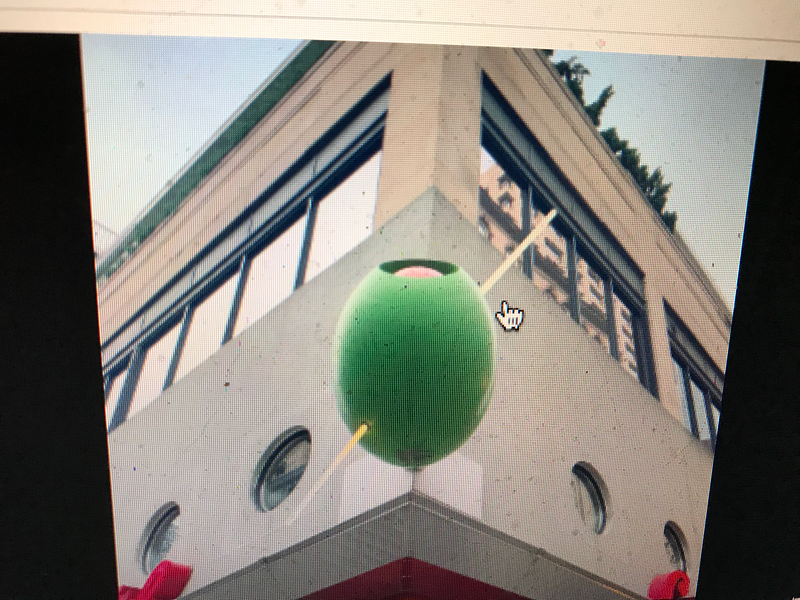
In the beginning, when I looked at an olive, I scensed they didn’t grow on the tree into nice little green balls with a red dot. I remember thinking, someone had to get that red thing into that green sphere— somehow.
I was surprised they didn’t cost north of $10.00 each, they seemed so labor intensive.
Me,at 6 years old
My research as an adult:
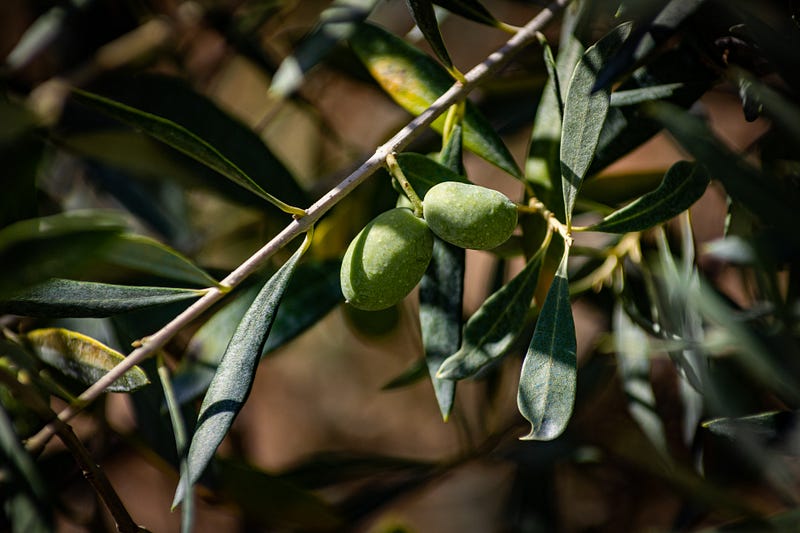
As recently as the early1960s, they sliced the red things, then jamed them in the olives by hand. Patient workers with long fingers, I suppose.
The first automatic olive-stuffing machine was introduced in 1962 by the Sadrym company in Seville, Spain. It remains the largest manufacturiner of that type of equipment today.
The most modern machines use a mixture of mashed red things combined with a gelatin mixture of mashed potatoes that is formed into large sheets and then sliced into strips and fed into the stuffer on large rolls.The stuffing machine — which must be very precisely calibrated — first cuts a plug the size of the pit in one end of the olive and pushes the pit out an X-shaped punch on the opposite end of the fruit. Then the pitted olive moves to the next station, where a strip of the red thing is cut and injected into the cavity.*
The red thing — Ah yes, the red thing.
It’s called a pimento.
But then, you knew that didn’t you?
A pimento is a type of pepper with a sweet flavor and very little heat. A pimento is a nightshade, also known as a cherry pepper because of its red color and round, heart-shaped fruit. They usually measure about 3 to 4 inches long and 2 to 3 inches wide, with a short, thick green stem.**
According to The Daily plate on LIVESTRONG.com, one variety of green olives with a pimento contains 41 calories 4.3 grams of total fat, 1.09 grams of carbohydrates, less than 1 gram of protein, 441milligrams sodium per 1-ounce severing.
This same serving size is listed on the USDA National Nutrient Database as containing 2 milligrams calcium, 1.68 milligrams potassium and 15 international units,or IUs of vitamin A. There are aproximately 6 olives in a 1-ounce serving.
It seems an awful lot of trouble for a food that has virtually little food value other than calories, sodium and fat.
In spite of my intellectual curiosity; I must admit, I’ve never developed a taste for olives of any kind.
They remain the only topping I’d turn down on a pizza.
Olives — and maybe liver.
- Mentalfloss.com
**What are pimento and how do they get inside olives. the spruce eats.com/all about the pomento