
Photography: Street Candids VS. Street Portraits
The differences between the two street snapping disciplines
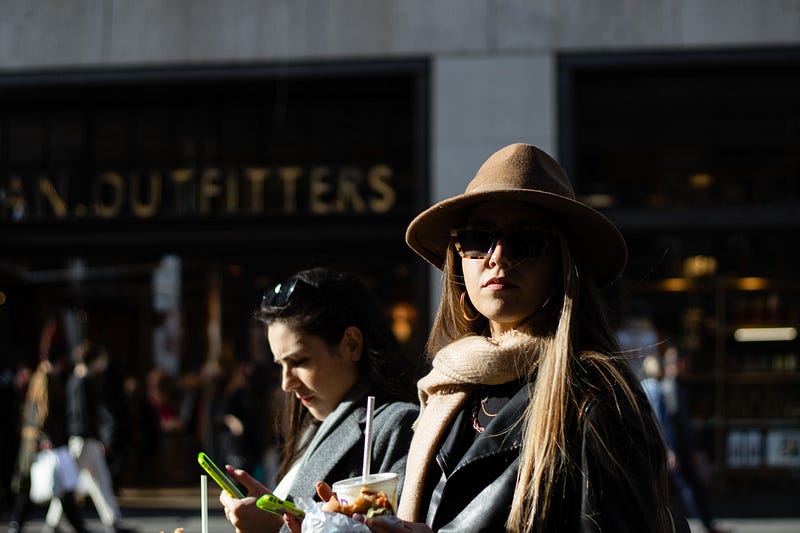
During my time doing street photography over the past 25 years or so, I’ve learned a few things. One of them is that photographers often refer to their portrait style as “street photography”. I suppose because they are sometimes taking photos in urban spaces, it’s technically correct.
However, that is not what “street” is. True street photographers, like Vivian Meier or Henri Cartier-Bresson, looked for candid moments and snapped them incognito.
Meier in particular had close-up images of her subjects, as her style of camera (with the viewfinder located on top) allowed her to be more discreet. Although her subjects seem to be connecting with her, almost posing for her in some cases, these shots were unplanned. They are fleeting moments. They are street photography.
Now, there’s nothing at all wrong with a posed photo. However, a posed photo in a public space can be one of two things. One of them, which I will talk more about, are “street portraits.” These are when you approach a stranger in public, and spontaneously ask them for a photo. This can yield a mixed success rate, depending on how you approach them (more on this later.)
The other is finding a model to shoot ahead of time, possibly with some graffiti behind them for that “urban” effect. These types of portraits can be beautiful and inspiring — and offer lots of fashion choices and poses — but they are not “street portraits” — even if they’re shot in the middle of the street.
Here I will present a few samples of my candid street photos and my street portraits. The latter are strangers that I came across and asked for their picture.
Street Candids
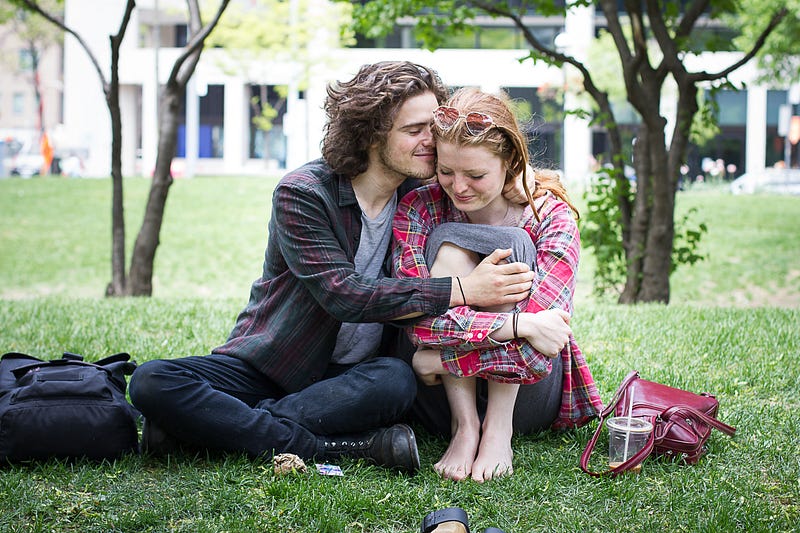
These photos are totally unplanned. The subject did not expect me to shoot. I didn’t always expect it either, up until the time I snapped the photo.
It may seem like some of these subjects were ready for me. However, I find when you turn the camera on someone, they do one of three things — they smile, they frown, or they’re surprised. This may give some insight into their personalities, although I might explore this in another post.
For street candids, I typically don’t interact with the subject. I shoot, then I move on. Sometimes, I approach them afterwards to show them the shot, and ask if they want a copy. Sometimes they are flattered, and say yes. But in most cases, I do not engage them at all.
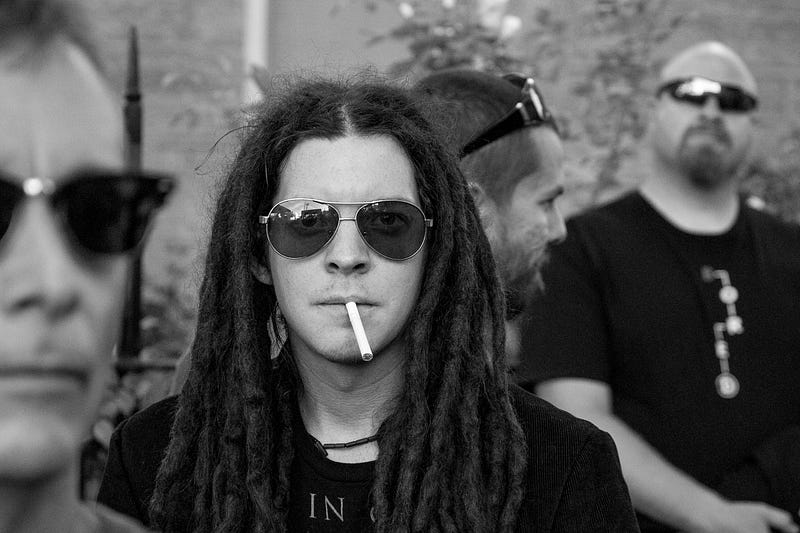
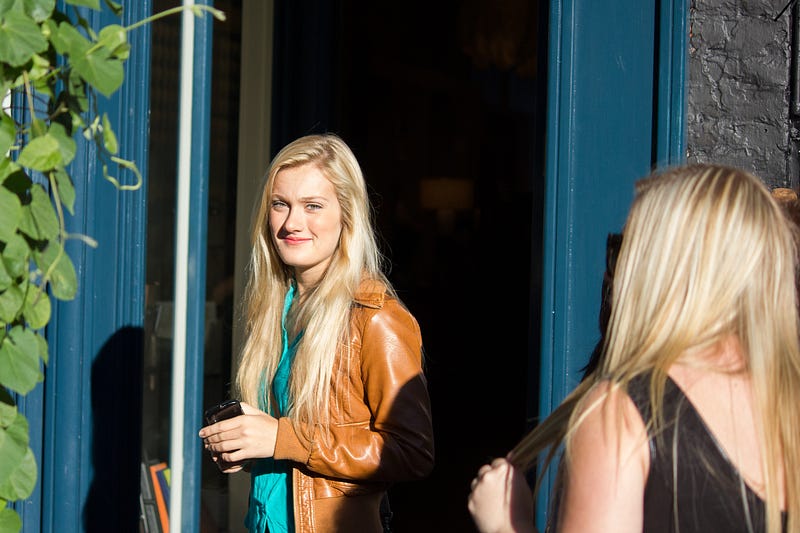
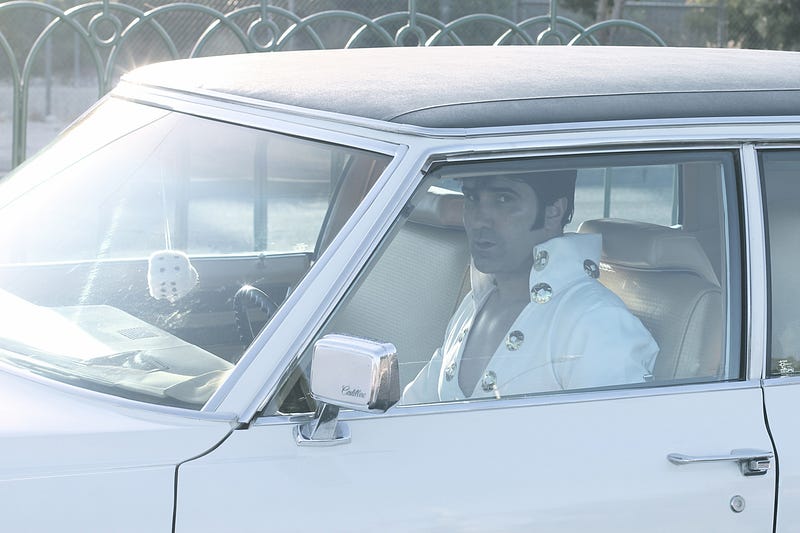
Street Portraits
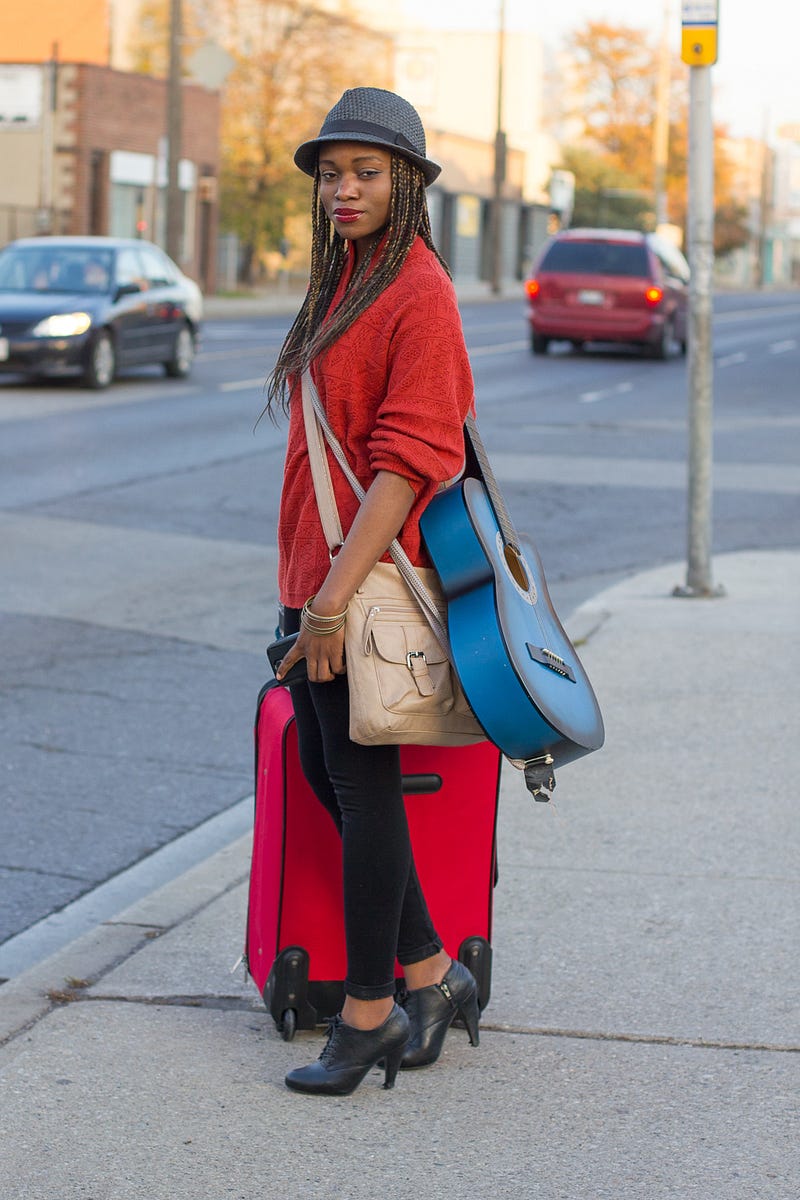
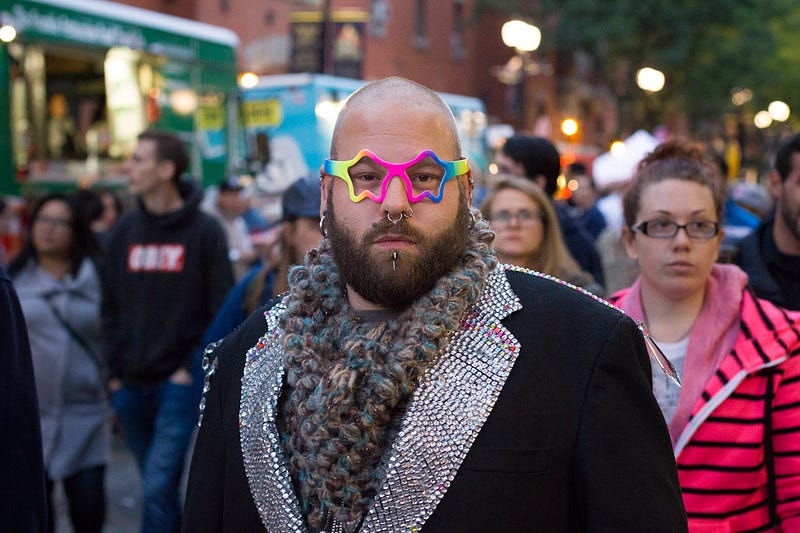
These are when I’ve already engaged the subject, and they know I’ve got my camera pointed at them. The initial instinct of many of these people is to smile stiffly. This is how people have generally been trained to react to a camera lens. However, I try to tell them to be natural, to pretend I’m not there. In this case, I get some candid-looking photos within the photo shoot.
Here are some of my best samples of subjects I engaged ahead of time. In some cases, you don’t have a choice if you want a good photo of them. For example, it’s hard to be discreet when it’s just you and them on an empty stretch of street. In this case, it makes more sense to interact with them.
I do admit that street portraits can be a real challenge sometimes. I have to be in the right headspace to approach people. I sometimes chat with subjects for up to an hour before I turn the camera on them. As an introvert, this process can be exhausting, but highly rewarding. I don’t do shoot street portraits as much as I used to, but I’m working on getting back to it.
Approaching Subjects
Like I said, many people will shake their heads when you ask them for a photo. This can often be because they don’t know you, or what you’re going to use the photo for.
I find opening with a compliment works. Like, “Hi, sorry to bother you, I think you have awesome style. I’m just a street photographer, can I take your photo?” This has worked for me in the past.
If you’re at a loud festival/event, you can stop interesting people and simply point to your camera with a smile. They may pose for you instinctively, or side-eye you and move on.
If you’re nervous about asking people, remember the worst thing that can happen is that they say no. (Or, they will engage you in conversation for a long time before they let you snap one. While this can require patience will little or no payoff, I’ve met some very interesting characters this way.)
On the other hand, there is always a risk that a truly candid shot may upset or annoy someone. In this case, you can explain to them that you’re a street photographer. If they’re really upset, you can simply offer to delete the photo. It’s not worth fighting about.
So, what is your preference? Advocates of street photography sometimes discourage posed photos, noting it’s the candid element that makes them special. I tend to agree in most cases. However, engaging your subject first can also yield great results, and even some “candid” moments as you snap away with their blessing.
Posed street portraits or complete candids? Let me know which you like best in the comments! Also be sure to check out my first printed collection of street photography from across North America!


