avatarJoy DeSomber

Free AI web copilot to create summaries, insights and extended knowledge, download it at here

1600

Abstract

1889.</p><p id="d562">Although only <a href="https://www.statista.com/statistics/189959/housing-units-with-telephones-in-the-united-states-since-1920/">35% of homes in the U.S. had telephones by 1920</a>, that percentage had exceeded 98 by 2008. However, for the <a href="https://www.pewresearch.org/internet/fact-sheet/mobile/">97% of Americans</a> who now own cell phones, many landlines are no longer needed, and some think payphones are unnecessary.</p><p id="5da7">Not only are 3% of Americans left out of this consideration, but in a pinch, a mobile phone is occasionally damaged, lost, stolen, temporarily unavailable for use, or has run out of battery. In all of these cases, it is imperative that a phone be made available for communication purposes.</p><p id="b459">When most people have easy access to a phone anytime they’d like, it’s difficult to imagine not having that simple piece of equipment available to quickly pass on important information to someone who isn’t standing next to you.</p><h1 id="a7b4">The simplicity of phones</h1><p id="68b9">I remember growing up, sharing secrets with friends while talking and giggling into the phone, wrapping that curling phone cord around my finger, and feeling close to the person on the other end of the line. Later, I remember the freedom of owning a cordless phone and sometimes talking about stubborn homework problems or catching up with a friend I hadn’t spoken with in a long time.</p><p id="8613">Then the cell phone came into vogue, and I still recognize that familiar feeling when I hear the voice of a loved one on the other end

Options

. I can’t imagine not having access to this critical form of communication.</p><p id="cebb">This simple device, a phone, only seems simple and not at top of mind when it’s readily available. When it isn’t, suddenly, it means everything. Earlier this year, <a href="https://www.theguardian.com/us-news/2022/may/24/new-york-removes-last-public-payphone">New York City</a> removed its last public pay phone. Of the nearly eight and a half million people living in the five boroughs of New York City, my guess is not every person has a cell phone. Each of us could write a book on the variety of scenarios in which a person may need or want to pick up a phone and connect with another.</p><h1 id="b8a5">More than just a dial tone</h1><p id="92d4">An exciting thing is happening in Philadelphia, and I hope it catches on in more cities. A group called <a href="https://philtel.org/">PhilTel</a> is installing phones that will be like payphones, but better yet, there will be <a href="https://www.makeuseof.com/payphones-are-coming-back-in-philadelphia-thanks-to-linux/">no cost to use them</a>. The inspiration came from a similar project out of Portland, Oregon, called <a href="http://futel.net/">Futel</a>.</p><p id="647e">PhilTel will make its debut on December 17, 2022, so maybe someone can call their loved ones and let them know they’re thinking about them this Christmas, or just say hello, and start a long overdue conversation.</p><figure id="8924"><img src="https://cdn-images-1.readmedium.com/v2/resize:fit:800/1*1GLv_xHjVW00Jn_Rq31T0g.jpeg"><figcaption></figcaption></figure></article></body>

ENGAGE

Phone Home This Holiday Season; It May Be a Lifeline

Communication is key, and in some places, it’s free
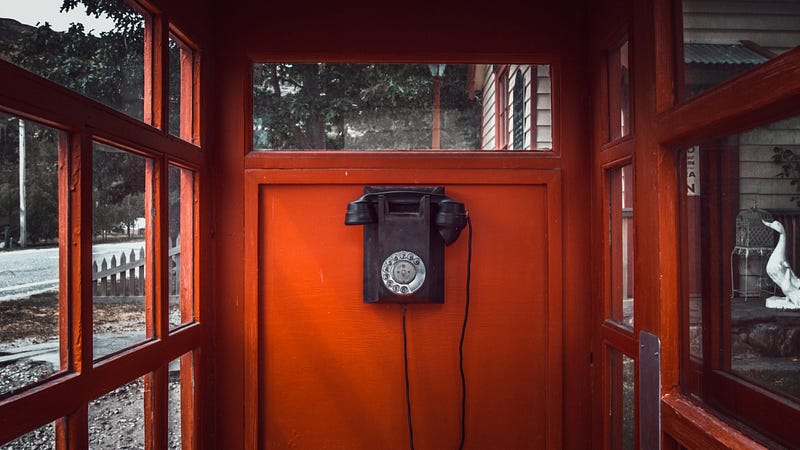
Photo by Antoine Barrès on Unsplash

Connecting with others is vital to our emotional and sometimes physical well-being. Sometimes we reach out to family or friends to show we care or to ask for help.

Other times, we may need to reach out to another person for a ride to a medical appointment, work, home, or job interview. Or we may be reaching out to report an emergency. For whatever reason, connecting with a fellow human is an opportunity everyone should have access to.

The speed of communication

In the last quarter of the nineteenth century, the telephone was invented, making it possible to communicate significantly more quickly than before, when people used letters to share ideas, feelings, and what was happening in their lives. The first payphone was installed not long after, in 1889.

Although only 35% of homes in the U.S. had telephones by 1920, that percentage had exceeded 98 by 2008. However, for the 97% of Americans who now own cell phones, many landlines are no longer needed, and some think payphones are unnecessary.

Not only are 3% of Americans left out of this consideration, but in a pinch, a mobile phone is occasionally damaged, lost, stolen, temporarily unavailable for use, or has run out of battery. In all of these cases, it is imperative that a phone be made available for communication purposes.

When most people have easy access to a phone anytime they’d like, it’s difficult to imagine not having that simple piece of equipment available to quickly pass on important information to someone who isn’t standing next to you.

The simplicity of phones

I remember growing up, sharing secrets with friends while talking and giggling into the phone, wrapping that curling phone cord around my finger, and feeling close to the person on the other end of the line. Later, I remember the freedom of owning a cordless phone and sometimes talking about stubborn homework problems or catching up with a friend I hadn’t spoken with in a long time.

Then the cell phone came into vogue, and I still recognize that familiar feeling when I hear the voice of a loved one on the other end. I can’t imagine not having access to this critical form of communication.

This simple device, a phone, only seems simple and not at top of mind when it’s readily available. When it isn’t, suddenly, it means everything. Earlier this year, New York City removed its last public pay phone. Of the nearly eight and a half million people living in the five boroughs of New York City, my guess is not every person has a cell phone. Each of us could write a book on the variety of scenarios in which a person may need or want to pick up a phone and connect with another.

More than just a dial tone

An exciting thing is happening in Philadelphia, and I hope it catches on in more cities. A group called PhilTel is installing phones that will be like payphones, but better yet, there will be no cost to use them. The inspiration came from a similar project out of Portland, Oregon, called Futel.

PhilTel will make its debut on December 17, 2022, so maybe someone can call their loved ones and let them know they’re thinking about them this Christmas, or just say hello, and start a long overdue conversation.

Payphone
Life Lessons
Awareness
Communication
Engage
Recommended from ReadMedium