
Philips Quietly Killed Some Amazing Headphones
My favorite headphones for home music listening aren’t long for this world
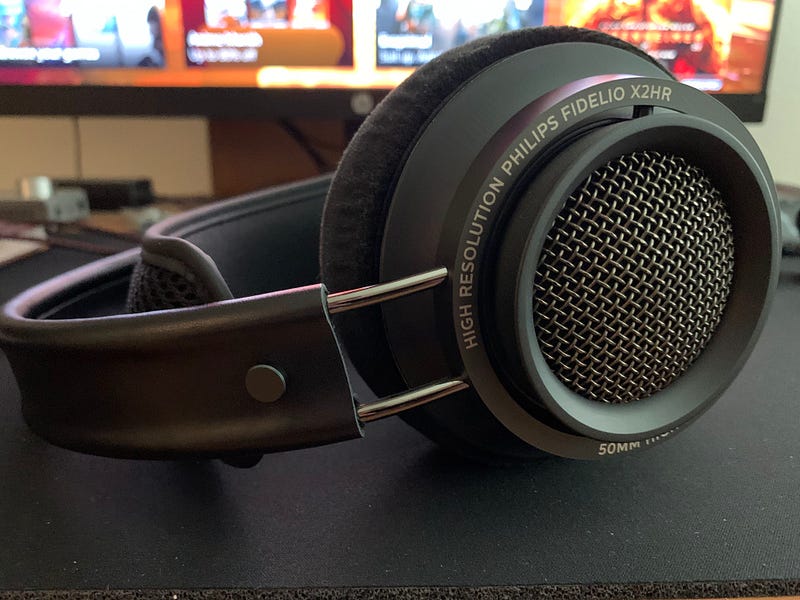
This article was originally about one of my favorite headphones for home-based music listening — the next overdue installment in my “These Headphones are Too Good” series.
However, it all fell apart during the research phase. Before I write about a tech product, in addition to hours and hours of testing, I go and gather official marketing assets, including links to the official page for the product. It was during this process that I discovered a sad truth:
The Philips Fidelio X2/X2HR headphones have probably been discontinued.
If you’re not familiar with them, they’re a long-held standard bearer of the open-backed headphone world. They have a slightly ungainly design with stylings that would be just as home in 1990 as the modern era — but the sound performance is simply legendary for the price. Years ago, Harman’s own Dr. Sean Olive told me that Philips did similar audio research in-house as that which produced the Harman target curve, only they didn’t publish any papers about it. This research was then used to develop all of Philips’ higher-end headphones.
The resulting X2 was one of the most enjoyable-sounding headphones you could buy. It had a wonderful blend of accuracy and fun. It was neutral and flat enough to appease audiophiles, but with some little sprinkles of extra bass detail and width that made them wonderful for casual fun listening. Their performance in the $150 price class was super impressive, standing proudly alongside other greats like the more analytical Sennheiser HD560S or the beefier HiFiMan HE400SE.
Now, the big headband design and the open nature of the headphones made them best suited to the home. Thankfully, they used a totally non-proprietary headphone jack connection, making it easy for users to plug in their own cables or even third-party boom microphones for gaming.
It’s killing me to use so many past tense words in this piece. I sat down earlier today ready to write a love letter to these headphones, not a eulogy. Philips makes all kinds of tech and industrial products, so their headphones can be a little hard to dig out of their nightmarishly huge web site, but clicking around their site reveals two different product pages for the X2’s that both say: “this product is no longer available.”
Searching for their name brings both pages up, as well as the pages for their two successors and a random hand-held flashlight thing?
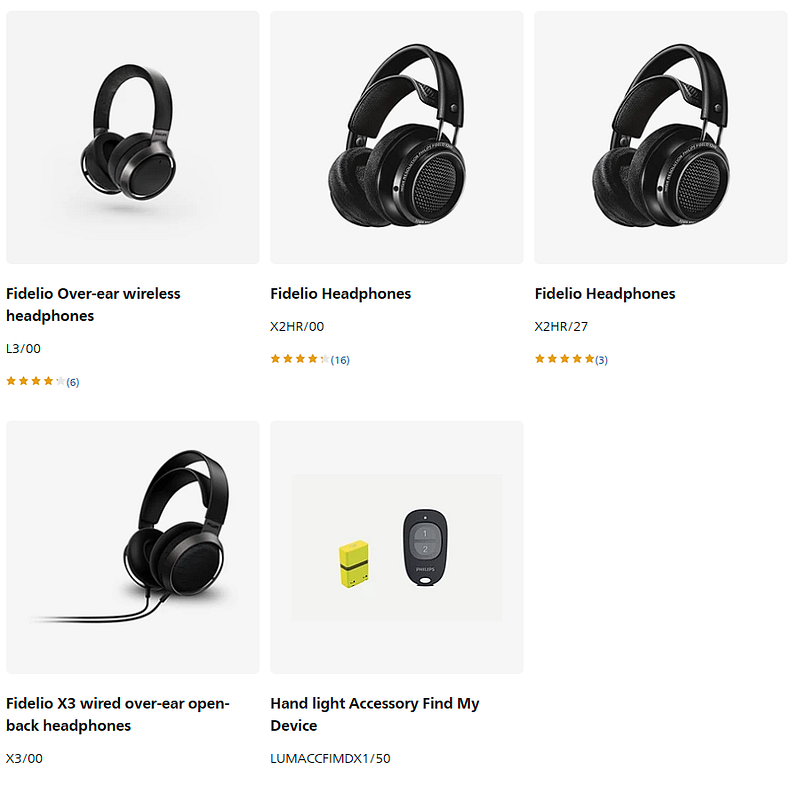
If you search around online, you can still find stock at certain large retailers, but a quick glance at least as of today shows it all to be third-party inventory, meaning that they probably aren’t sending shipments out to the bigger players anymore. The prices aren’t too inflated yet, but if this headphone is really gone off the market, then it could go all over the place. Sometimes classics like this have a brief boom at the end of their life — other times they crash out down to rock bottom prices.
“What about those successors you mentioned? Isn’t this just meant to clear space for those?” Well, maybe. It’s a shame though because they’re not quite as good. The Fidelio X3’s are built out of nicer materials, but their treble-tilted sound signature is more for audiophiles and less for “everyone.” Also, they switched to a proprietary cabling system that makes it much harder to use your own or find replacements. Furthermore, the sheer amount of nice genuine leather contained in the headband makes them harder to maintain over time.
I really liked the X3’s when I reviewed them, and their premium build and slight comfort improvements were nice — but I couldn’t unequivocally recommend them over the older pair. It’s better now that they’re well below their launch retail price, at least from a consumer value perspective. They’re currently listed for around the same $150 street price as their predecessors, but when I reviewed them, they were almost double that.
The crash in price for this premium sequel headphone shocked me almost as much as the seeming discontinuation of the X2. The X3’s were never meant to hit the same price point as the older product, with a bunch of high-grade audiophile-pleasing design decisions like the inclusion of a balanced audio cable. Seeing them at such a low price makes me think that the whole Philips audio division might be on its way into the crater.
I’ve seen echoes of similar fortune shifts across the entire tech industry in the wake of the pandemic. Before the lockdowns, there was a nice even cadence to product launches and updates. It was almost predictable. The pandemic threw all development into disarray and coupled that with some of the wildest demand I’ve ever seen for this stuff, reflected both in company sales reports and my own readership numbers here on Medium.
Now, that weird bubble of sales is long over. My numbers have never recovered, and looking at Philips’ headphone pages online — maybe theirs never did either? Most people aren’t weird enthusiasts that buy tech products at a regular clip, so a lot of new customers probably got what they wanted then went back to their “normal” lives in the wake of everything.
The Fidelio X2 headphones are good enough that they deserve to still be in production, even in the awkward crowded possibly crumbling audio market of today. I know that all the new development and movement is in the wireless space — and I’m guessing that Philips is still doing okay in the Bluetooth arena. Still, you need standards and stalwarts in order to have a reference point for the market to shoot for. The Philips X2 shall forever be one of those for me, personally.
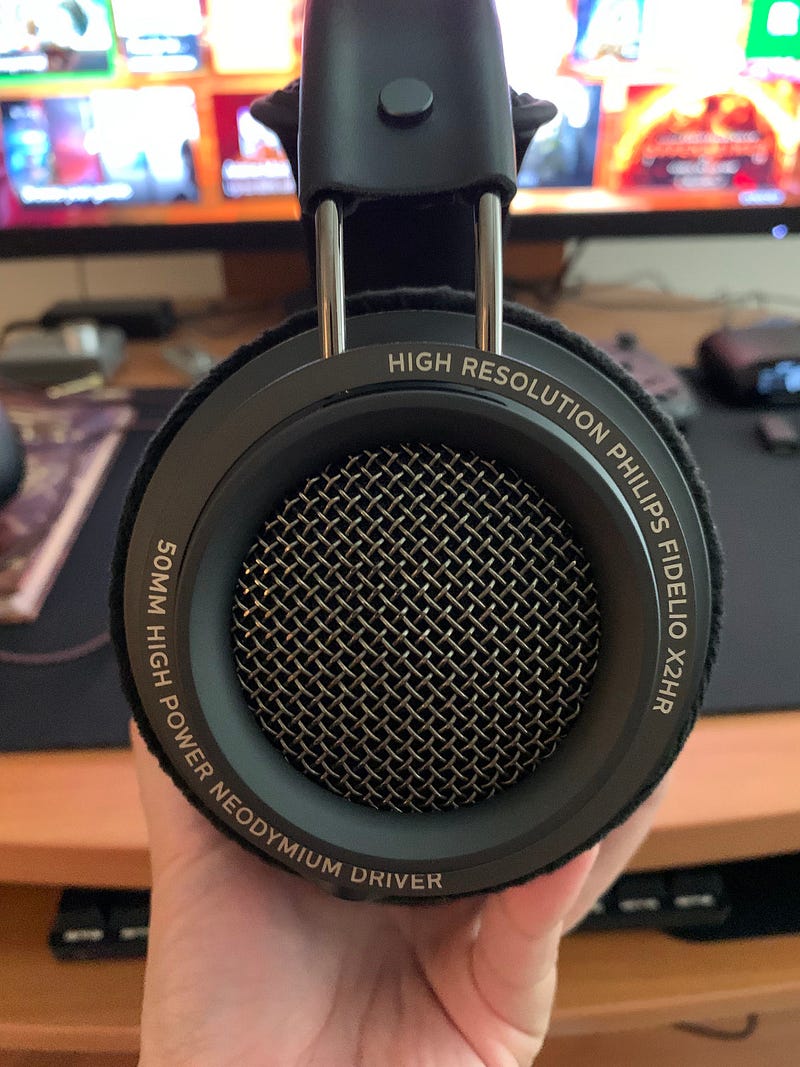
I’ve wound down my own audio product writing in this post demand crash era to talk more about gaming software — I just honestly didn’t think that any of the “classic” headphone products would go down too. I thought that the X2HR would hum along quietly continuing to sell units, unbroken thanks to its combination of price and performance.
It’s no longer good enough for something to be great. It has to be continuously and almost oppressively marketed, and even then there’s no guarantee.
Now if you’ll excuse me, I’m going to go back to enjoying these X2’s on some music. I’m definitely not going to also just keep binging Vampire Survivors.