Personalized Learning: A Video Series
#1: What is personalized learning, and why is it important?
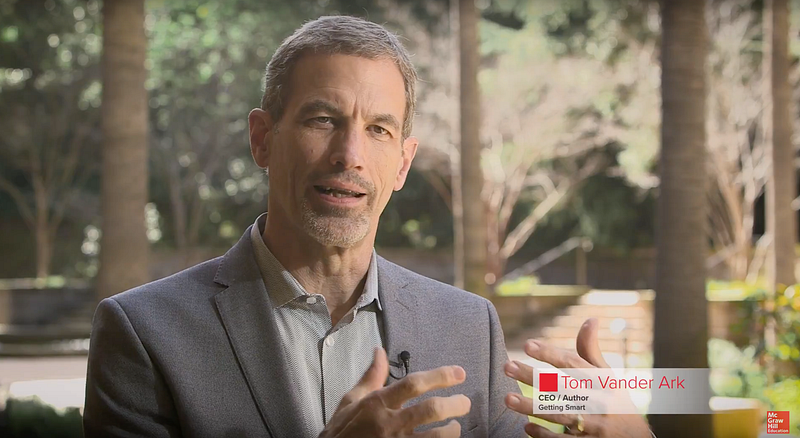
“We need to create schools where kids have a great deal of ownership over what they’re learning and how they learn.” — Tom Vander Ark, Getting Smart CEO
The desire to personalize learning experiences for students in the K-12 classroom is not new. For a long time, educators have recognized the diversity in learning styles, abilities, and strengths within their student population. They have understood the importance of personalized learning, and used whatever resources were available to them to empower those students specifically and individually.
What is new, however, is the technology we can now use to truly, deeply personalize learning. Teacher intuition uncovered a gap in the student learning journey, and drove the development of key advancements in education technology.
These digital learning tools and programs are built from learning science — by scholars who carefully study how the brain functions and the way students learn. Learning scientists collaborate with curriculum specialists, user experience experts, academic designers, and tech gurus to produce an educational tool truly equipped to personalize learning for any student.
Some of the more advanced personalized learning technology platforms use adaptive engines to create a learning path custom to a student’s individual needs — they recognize what a student knows, doesn’t know, and is ready to learn next. It fosters strengths, fortifies weaknesses, and equips the student with choice and agency. It also provides teachers with valuable insights into a student’s progress, as an individual or against a standard.
To help you better understand how personalized learning technology can empower your students, hear from three experts, including Tom Vander Ark, Janet Pittock, and Tiffany Wycoff:
Janet Pittock, McGraw-Hill Education Curriculum Director, on why there is such an emphasis on personalized learning in K-12 education today:
Tiffany Wycoff, innovative school leader and author, explains how educators should understand terms like “adaptive” and “personalized”:
Tom Vander Ark, Getting Smart Author and CEO, answers the question: “Can the classroom become a place where students come to learn, not to be taught?” →
For more information on personalized learning technology, download our comprehensive Personalized Learning Guide: