
Personalization Will Conquer Marketing In 2020
No, it’s not too late to start. And here is how.
No brainer here that consumers are getting pickier day-by-day. They are much more sophisticated and spoilt than they have ever been before. The reason for this is — supply. There are many more businesses than ever before offering the same (or similar) products at the same (or similar) price. So, how to wow them?
My answer is personalization. It’s astonishing that it’s not a common marketing strategy in 2019, and it’s something must-look at in 2020.
What is personalized marketing?
Personalization uses consumer data to your advantage. It shows individualised offers, product suggestions, and other content to your visitors based on their previous purchases, demographics, or any other personal data.
There are multiple ways to personalize the content, and some are more obvious than others. The technological advancement and the way data is collected and analysed makes personalization more subtle and better ingrained.
Today, more and more brands start personalizing their content and sometimes consumers are not even aware why certain items are displayed to them. This improves the user experience, as the users tend to spend less time browsing and thus make purchases more spontaneously.
Here are some examples of what brilliant personalized marketing is.
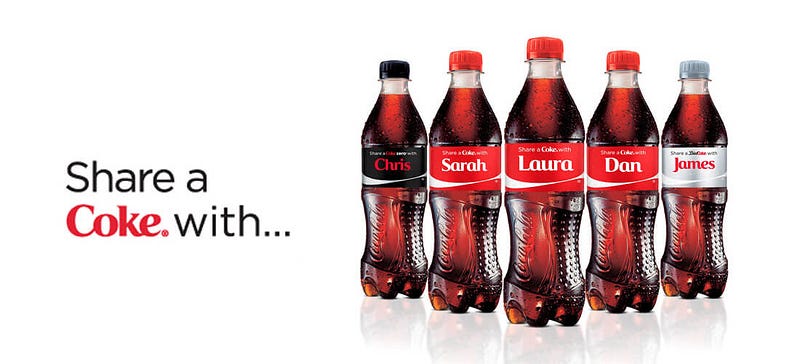
“Share a Coke” campaign
It has remained the most famous personalization campaign. The idea was to engage with the consumers and spread their advocacy by replacing the brand logo with consumer names. It encouraged people to share the drink with friends and it spread like a wildfire on social media with the hashtag #sharecoke.
Most importantly it was customised to different markets and the names were the actual names that can be found in that market.
Weather-sensitive personalization
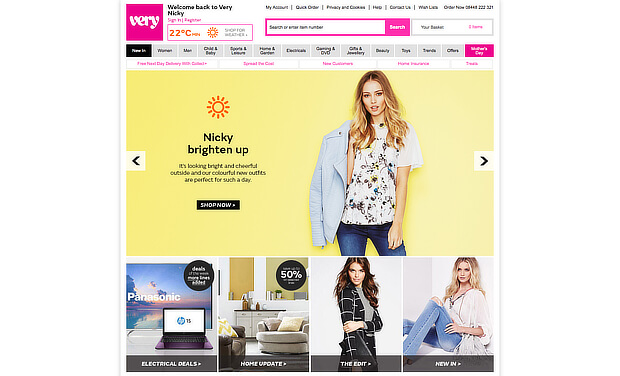
One of my favourite personalization examples for apparel is weather-sensitive promotions.
You can show items based on the customer’s previous choices but make them available for different weather conditions. If it’s hot and sunny outside at the moment of them browsing, show them the items that would be perfect for the weather.
On the other hand, if it’s cold, adapt your offering accordingly.
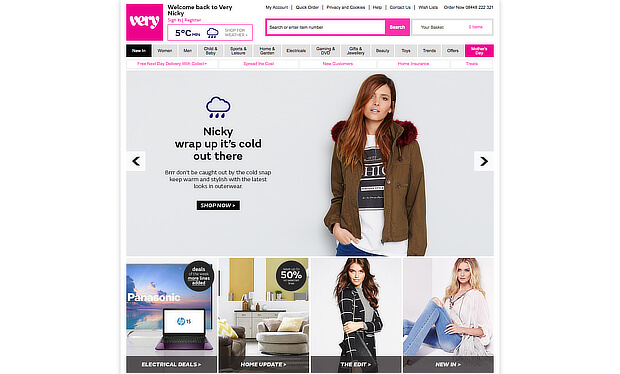
Consumers are human and they should be affected in a humanly way. Personally, if I saw a weather-sensitive ad, I’d naturally start thinking that I’m not ready for such weather and consider upgrading my wardrobe.
Netflix recommendations
Netflix is known for its data insights and personalization in recommending what to watch. It knows exactly when you press the play or pause button, when you add a title into your watchlist, or when you stop watching half-way through. Its algorithms are constantly developed and improved to ensure a great customer experience.
Did you know that Netflix goes far to personalize your homepage? If you think that the film covers that you see are all the same to everyone, you’re wrong. They are also personalized based on your knowledge of actors that are in it. This ensures that you’ll be more enticed to watch.
So, how to make personalized marketing work in 2020?
Consumers are now spoilt for choices and demand more tailored brand experiences. It’s something that may pose a big challenge to brands heading into 2020.
But, to our advantage, new technology is making personalized marketing more workable. Yet, it doesn’t remove the necessity for marketers to step in and use it to the brand’s advantage.
Here is what I suggest you should do.
1. Access the right data and spend time analysing it
There is nothing worse than getting things wrong as all your effort in personalization will go in vain. Spend a good amount of time analysing who your customers are, what they like, how they behave and so on.
2. Create user profiles
Your users are different. They buy different things and their behaviour is also different. After analysing the data, create multiple user profiles and adapt communication to their characters.
3. Offer what they want
If your user profile is — male, between 18–25, lives in a city — adapt your offering to what this customer would like. Offer dynamic content that is within their profile and within their interests.
4. Keep analysing
Don’t think that if you have done the analysis part once, it’s over forever. No. Consumer behaviour is constantly changing and you should keep analysing the data to ensure that you stay abreast with what their interests are.
5. Be authentic
By personalizing your offerings to the consumers you stay authentic to them. You show that you care about their needs rather than profits. This is a crucial step in growing customer loyalty.
Bottom line
Today consumers have much less time than they ever had before. They do not want to be bothered with irrelevant content and waste time on searching what to purchase. They want instant and fast decision-making.
This can play to your advantage. If a consumer spends less time deciding whether they want something, they will convert into a paying customer much faster. It’s up to us, marketers, to shorten the decision-making time and display the items they indeed need.
— — — — — —
Edgaras Katinas is a marketer who currently lives in Kuala Lumpur, Malaysia. He loves writing and discussing human rights, language, history and culture. His passion is food and he hopes to live in a world where any kind of discrimination is eliminated. You can follow him on Twitter.