
Permaculture Unearthed
In a world where environmental challenges loom large, permaculture shines as a beacon of hope — a holistic approach to sustainable living deeply rooted in ecological principles. This blog post takes you on an inspiring journey through the history, pioneers, and evolving landscape of permaculture.
As we delve into the wisdom and promise it holds for a more harmonious and sustainable future, you’ll discover that permaculture is not just a concept but a way of life.
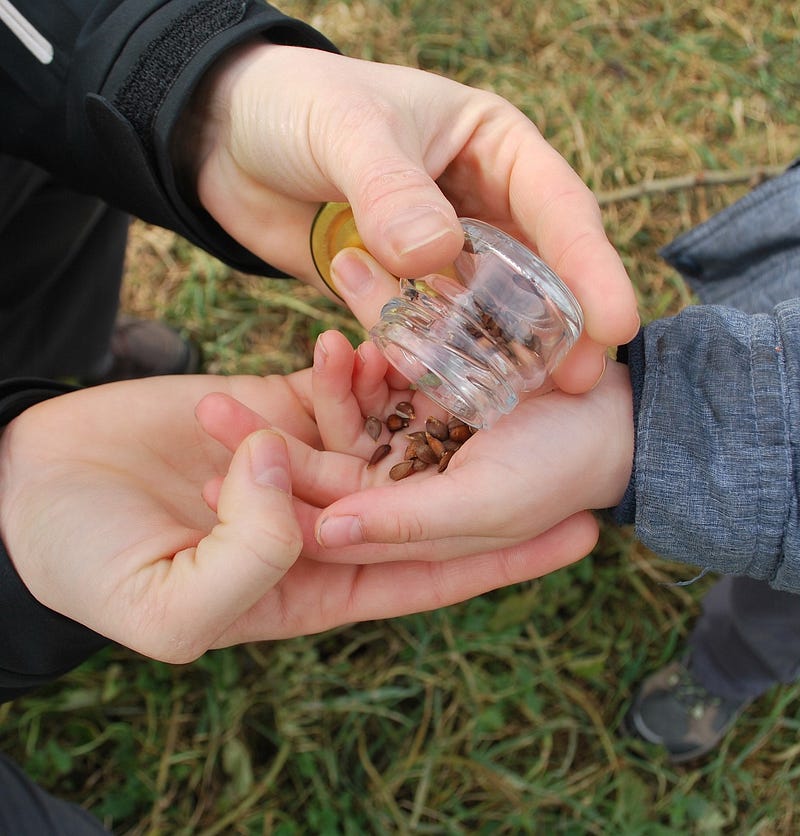
Permaculture, initially known as “Permanent Agriculture,” was born in Australia through the visionary minds of Bill Mollison and David Holmgren during the 1970s. At its core, permaculture aimed to design agricultural systems that emulated the resilience and self-sustainability found in natural ecosystems. It was a response to the growing realization of the ecological harm caused by conventional farming practices.
Permaculture sprouted against the backdrop of a pivotal moment in environmental history. Visionaries like Rachel Carson had already sounded the alarm on the unintended consequences of pesticides. James Lovelock’s Gaia theory highlighted the Earth’s interconnectedness, while Arne Naess urged deep ecological thinking. In this context, permaculture emerged as a philosophy that celebrated harmony with nature.
If you want to support my work or access any extras, you can do so here: https://www.buymeacoffee.com/adgiga Thank you, I really appreciate you.
Early Influences and Thinkers: Drawing Wisdom from Indigenous Cultures and Environmental Stewards
Permaculture drew inspiration from indigenous cultures worldwide, where sustainable land management practices had thrived for centuries. These cultures emphasized respect for ecosystems, the importance of preserving resources for future generations, and the art of living in symbiosis with nature.
In addition to indigenous wisdom, permaculture was influenced by early ecological thinkers such as Sir Albert Howard, who championed organic farming and soil health. Aldo Leopold advocated for a land ethic and environmental protection. J. Russell Smith recognized the potential of tree crops in sustainable agriculture, while P.A. Yeomans pioneered the Keyline Design system, optimizing water use and soil fertility.
Bill Mollison and David Holmgren: Sowing the Seeds of Permaculture
The heart of permaculture lies in the collaborative efforts of Bill Mollison and David Holmgren. Mollison, a former wildlife biologist and environmental activist, joined forces with Holmgren, a young graduate student in environmental design, in the mid-1970s. Together, they cultivated the fundamental principles of permaculture: mimic natural ecosystems, maximize resource efficiency, and create resilient, self-sustaining systems.
Their groundbreaking work, “Permaculture One: A Perennial Agricultural System for Human Settlements” in 1978 and “Permaculture Two: Practical Design for Town and Country in Permanent Agriculture” in 1979, introduced permaculture to a broader audience. These works marked the birth of a movement that would inspire countless individuals worldwide to adopt permaculture for sustainable living.
The 1980s: Nurturing Growth and Knowledge
The 1980s witnessed permaculture’s expansion beyond the borders of Australia. Organizations like the Permaculture Association in the UK and the Permaculture Institute in the US were established as hubs for permaculture education, research, and networking.
Bill Mollison’s magnum opus, “Permaculture — A Designers’ Manual,” and the Permaculture Design Certificate (PDC) course became integral to permaculture education. Thousands of individuals across the globe attended PDC courses, disseminating permaculture principles far and wide.
The 1990s: Popularization and Diversification
The 1990s marked a phase of popularization and diversification for permaculture. Bill Mollison’s “Introduction to Permaculture” provided a concise overview of permaculture design and practices, becoming a seminal text. Permaculture expanded its reach from rural landscapes to urban environments, demonstrating its adaptability and relevance.
David Holmgren’s book, “Melliodora: Ten Years of Sustainable Living,” chronicled a decade-long journey of developing his permaculture farm. It showcased permaculture’s transformative potential in sustainable agriculture, environmental stewardship, and community building.
The 2000s: Mainstream Recognition and the Digital Revolution
The 2000s brought permaculture further into the mainstream, with influential figures like David Suzuki and Vandana Shiva endorsing its principles and values. Simultaneously, the rise of the internet catalyzed a digital revolution in permaculture.
Online platforms, including websites, blogs, and social media, emerged as powerful tools for sharing permaculture knowledge and resources. These platforms facilitated global collaboration, breaking down geographical barriers to learning. Online permaculture education flourished, making permaculture accessible to a broader audience.
Permaculture Today: A Global Impact and Future Potential
Today, permaculture thrives as a global movement, addressing pressing challenges such as climate change, food security, and resource depletion. Its core principles emphasize the interconnectedness of all living things, and advocate for designing systems that mimic natural ecosystems. Permaculture offers a roadmap for sustainable living and thriving in harmony with the planet.
The responsibility now rests with each of us to embrace permaculture’s lessons and apply its principles in our lives. Together, we can contribute to a more sustainable, resilient, and equitable world. By honoring the vision and efforts of permaculture pioneers and passing on this wisdom to future generations, we can create a brighter, more sustainable future.
Permaculture for Beginners: Practical Examples
While permaculture may initially appear complex, it offers accessible and rewarding practices for beginners. Here are some tangible examples of permaculture principles and techniques that anyone can start implementing:
Rainwater Harvesting: Begin your permaculture journey by collecting rainwater. Install rain barrels or tanks to capture rainwater from rooftops. This harvested water can be used for gardening, watering plants, or even household tasks like flushing toilets. Not only does this reduce water bills, but it also ensures a more sustainable water supply.
Composting: Embrace the permaculture principle of “Produce No Waste” by composting kitchen scraps and garden waste. Composting not only reduces waste but also creates nutrient-rich compost for your garden. Start small with a compost bin or pile in your backyard.
Sheet Mulching: Transitioning from a conventional lawn to a productive garden can be achieved through sheet mulching, also known as “lasagna gardening.” Rather than laboriously removing the grass, layer organic materials like cardboard, newspaper, leaves, and compost to smother the grass and create fertile planting beds. This approach is less intensive and benefits the soil.
Companion Planting: Practice companion planting by strategically placing plants that benefit each other when grown together. For example, planting marigolds with tomatoes can help deter pests. Learning about beneficial plant pairings enhances biodiversity and reduces the need for chemical pesticides.
Perennial Food Plants: Unlike annual crops that require replanting each year, perennials like fruit trees, berry bushes, and asparagus plants offer continuous harvests with minimal effort. Planting perennial food sources aligns with permaculture’s principle of “Use and Value Renewable Resources and Services.”
Herb Spirals: Consider creating herb spirals, a clever permaculture design that maximizes space and provides various microclimates for herbs. It’s built as a raised, spiral-shaped mound with rocks or bricks, creating different planting levels. This design allows herbs with varying sunlight and moisture needs to thrive in a small space.
Hugelkultur Beds: Hugelkultur is a technique that involves constructing raised garden beds filled with logs, branches, and organic matter. As these materials decompose, they release nutrients and retain moisture, reducing the need for irrigation and fertilizers. Hugelkultur beds are excellent for growing vegetables and herbs.
Beekeeping: Support pollinators like bees, aligning with permaculture’s principle of “Use Edges and Value The Marginal.” Beekeeping not only increases biodiversity but also enhances garden productivity. You can start with a small beehive or even provide bee-friendly plants in your garden.
Native Plant Landscaping: Opt for landscaping with native plants, conserving water and creating habitats for local wildlife. Native plants are adapted to your region’s climate and require less maintenance. By using and valuing native species, you promote biodiversity and ecosystem health.
Community Gardens: Joining or initiating a community garden is an excellent way to practice permaculture while learning from others. Collaboratively managing garden spaces encourages sharing resources, knowledge, and the harvest.
Remember, permaculture is about observing, experimenting, and adapting to your specific environment and needs. You don’t have to do everything at once — start small, learn as you go, and gradually incorporate more permaculture principles into your life. It’s a journey towards sustainable living and a deeper connection with nature.
Permaculture transcends mere agricultural practices; it’s a philosophy that teaches us to coexist harmoniously with nature, respect the Earth’s interconnectedness, and create regenerative systems for a better world. Its journey from inception in the 1970s to its present-day impact is a testament to the power of sustainable thinking and the potential for positive change. By embracing permaculture, we can all play a part in nurturing a more sustainable and harmonious future.
If you have any questions or want to share your gardening experiences, newbie or experienced, feel free to leave a comment. I would love to hear from you.
Become a member of Medium.com and you’ll get full access to every post that I write, your reads directly supports myself and thousands of other writers.
Connect with me:
Take a photo or screen shot and use the hashtag #ADGIGABLOG and tag me on Insta, let’s connect!
https://www.instagram.com/adelaide_girls_garden/
If you enjoyed this post, you’ll love my other posts. Subscribe and follow to have updates delivered to your inbox. I would love to have you here.
As always,
Keep nurturing your plants and watch them grow. Until next time,
With a little bit of soil, a lot of love, and two green thumbs.

Sources: