
Perfectionism Is My Biggest Imperfection
No matter what I do, I never feel like enough.

I’ve always been a perfectionist, but I clearly remember the first time I heard that word applied to me. I believe my parents mentioned that my fourth-grade teacher had used the word to describe me.
I had just gone into a more challenging gifted education program in a new elementary school. The work was harder, which I liked, but I also struggled to feel like I was doing well enough.
I also had to catch up with the students who had been in the program the year before. They had already learned how to do long division. We were learning Greek and Roman root words, prefixes and suffixes. We all learned how to make flashcards.
Yes, I was such a little nerd.
I’m not at all sorry about it. I liked making those flashcards.
Doing My Best
What I do regret — not that there’s much I’ve been able to do about it — is so many years expecting perfection from myself and feeling terrible when I don’t measure up.
But my expectations for myself were too high. I wanted to do everything just right, the first time. I remember my dad telling me, as he often has, to “just do your best.”
Unfortunately, I’ve never been able to gauge what “my best” is. When do I know when I’ve done my best? For the most part, my brain is sure that “my best” is only “perfection.”
When I do things pretty well, I just want to know how to do them better. I hated getting essays back in college with a 4.0 on them and no comments. I know no essay is perfect. I know no work is perfect. Surely they could have given me some feedback.
But this also ties into the whole “never feeling like enough” bit, tied into my sense of what I think I should be.
Which is always, always something that I am not, at whatever particular moment, for whatever particular metric I am measuring myself against. I am never what I should be.
“You’re pretty hard on yourself,” more than one therapist has told me.
Digging Deep
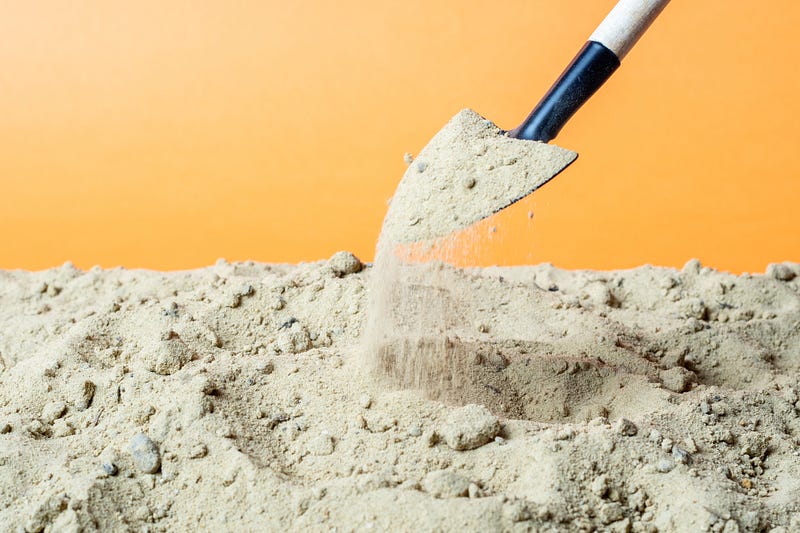
I have started recently to dig deeper into the effects my perfectionism has on me, including the ways it limits what I think I can say or do. I have turned down or rejected out of hand many ideas in my life as being impossible.
Many times I’ve decided not to pursue things — academic opportunities, jobs, projects — because I decided they “weren’t worth the effort.” Now I question whether the underlying thought was, “I will feel bad if I don’t do this perfectly,” and if I then chose not to do the thing at all.
I have also questioned my perfectionism around the activist work I’ve been doing. I struggle with wanting to be a perfect activist. I want to avoid doing harm in my activist work, as a white anti-racist person, but does this fear loom so great that I can’t fully engage with the work? Do I fear inadvertently doing harm or making minor mistakes more than I fear the vast ongoing injustices in the world?
And then, even my self-reflection gets to be too perfectionist.
I have to learn how to let myself be. I have to learn how to acknowledge that I am still doing the right work even if I make mistakes. And I have to learn how to do that at the emotional level.
Intellectually, I know this stuff. I would never judge anyone as hard as I judge myself (and honestly, I can judge others pretty hard).
Emotionally, I’m still the fourth-grader struggling with my perfectionism and trying not to let it ruin otherwise good things for me.
How does perfectionism affect you? Does it hurt, help, or both? Let me know in the comments.
Thanks for reading. Please follow, comment, and share! Support me and get access to all the articles on here by subscribing to Medium using my referral link:
https://medium.com/@erica.leigh/membership


