avatarLinda Lum

Free AI web copilot to create summaries, insights and extended knowledge, download it at here

2309

Abstract

n a small bowl, combine 1/4 cup of warm water, sugar, and yeast. Let sit for 10 minutes or until bubbly.</p><p id="c743">2. In a large mixing bowl, combine flour and salt. Make a well in the flour; add the bubbly yeast mixture, the remaining 3/4 cup warm water, and the olive oil. Stir to combine.</p><p id="1b25">3. Turn the dough out onto a well-floured work surface and knead until the dough is smooth and elastic — about 10 minutes.</p><p id="7321" type="7">How to Knead Bread Dough</p><p id="3b65" type="7">Fold the dough over and push down with the heels of your hands. Give the dough a quarter turn, then fold and push again. Repeat until the dough is smooth and elastic.</p> <figure id="6fd7"> <div> <div> <img class="ratio" src="http://placehold.it/16x9"> <iframe class="" src="https://cdn.embedly.com/widgets/media.html?src=https%3A%2F%2Fwww.youtube.com%2Fembed%2FBJiucv88flM%3Ffeature%3Doembed&amp;display_name=YouTube&amp;url=https%3A%2F%2Fwww.youtube.com%2Fwatch%3Fv%3DBJiucv88flM&amp;image=https%3A%2F%2Fi.ytimg.com%2Fvi%2FBJiucv88flM%2Fhqdefault.jpg&amp;key=a19fcc184b9711e1b4764040d3dc5c07&amp;type=text%2Fhtml&amp;schema=youtube" allowfullscreen="" frameborder="0" height="480" width="854"> </div> </div> </figure></iframe></div></div></figure><h2 id="d7ef">Proofing</h2><p id="d41c">4. When you have finished kneading, place the dough in a large, lightly greased mixing bowl. Turn the dough over in the bowl so that the entire ball of dough is greased. Cover the bowl with plastic wrap and set it in a warm place, away from drafts.</p><p id="f13e">5. Let the dough sit in this cozy, safe place until doubled in size, about 1 hour. One way to test if the dough has risen enough is to lightly and quickly press two fingertips into the dough about 1/2 inch. If the indentation remains, the dough is ready for the next step.</p><p id="e1c0">6. Punch down the dough by pushing your fist into the center of the dough. Pull the edges of the dough to the center, and then place the dough on a lightly floured surface. It will be smooth, and bubbles will be visible under the surface.</p><p id="dbe8" type="7">What Is Proofing?</p><p id="3bb5" type="7">Proofing is what happens when you allow the yea

Options

st in the dough to ferment, thus causing gas bubbles that inflate the dough. Why do we want “inflated” dough? It is the inflation, the formation of bubbles that create a sturdy crust, a tender crumb, chewiness, and flavor. If proofing (rising) does not occur, you will have a flat and probably very dense and hard loaf of bread — something more akin to hardtack than bread.</p><h2 id="c15f">Shaping and Baking the Focaccia</h2><p id="b05c">7. Brush a baking sheet with 1 tablespoon of olive oil. Place the proofed (and punched down) dough onto the prepared baking sheet and pat it into a 10-inch by 8-inch rectangle.</p><p id="fa19">8. Brush the surface of the dough with the remaining olive oil; sprinkle with the rosemary and coarse salt. Dimple (indent) the surface of the dough with your fingertips.</p><figure id="3789"><img src="https://cdn-images-1.readmedium.com/v2/resize:fit:800/0*5yVXeaxce_len0uG.jpg"><figcaption><i>Dough brushed with oil, sprinkled with chopped rosemary and coarse salt, and dimpled. It’s ready for the final proofing. (Source: Linda Lum)</i></figcaption></figure><h2 id="05d9">Baking</h2><p id="9497">9. Let the dough rise in a warm, draft-free place until puffed and doubled, about 45 minutes to an hour.</p><p id="7d81">10. Bake in a preheated 350-degree oven for 30 minutes or until golden on top. Serve warm.</p><p id="a062">If you wish to read my future writings, <a href="https://medium.com/subscribe/@lindalum_2779">subscribe to my email list </a>and you’ll be notified every time I publish a new story.</p><div id="70f3"><pre>Copyright©<span class="hljs-number">2023</span> Linda Lum (Facebook, Hub Pages, Pinterest) <span class="hljs-built_in">is</span> a retired budget analyst <span class="hljs-keyword">for</span> the Federal government, wife, mother, author, <span class="hljs-built_in">and</span> lover <span class="hljs-keyword">of</span> anything <span class="hljs-built_in">and</span> everything <span class="hljs-keyword">to</span> <span class="hljs-keyword">do</span> <span class="hljs-keyword">with</span> food history. <span class="hljs-symbol">Books:</span> <span class="hljs-string">"Past and Present,"</span> <span class="hljs-string">"How Corned Beef Became Irish,” "</span>Ask Carb Diva<span class="hljs-string">"</span></pre></div></article></body>

Perfect Focaccia

My favorite puffy, chewy, delightfully “everything you could want” Italian bread
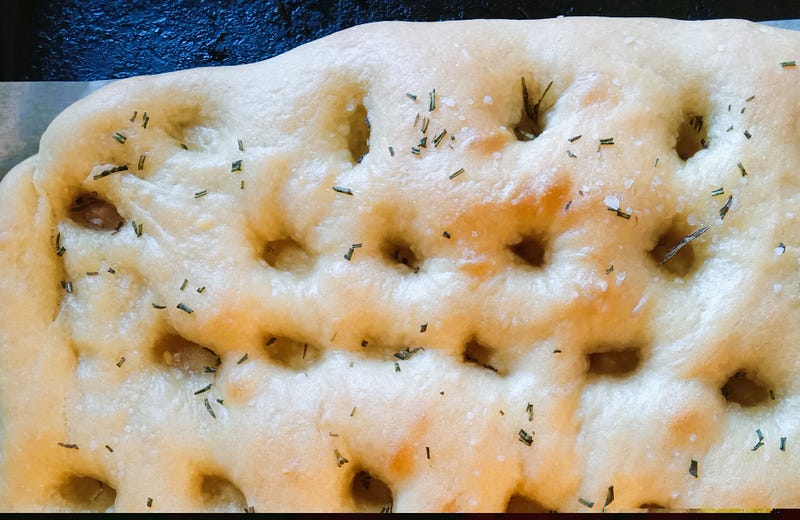
Source: Linda Lum

What Is Focaccia?

Pronunciation: foh-kah-chuh

  • A large, round, flat Italian bread.
  • A flat oven-baked Italian bread product, similar in style and texture to pizza dough.
  • A beautiful golden Italian flatbread made of yeast, flour, water, fruity olive oil, and sea salt. They are humble ingredients, but the sum is much more magnificent than the individual parts.

Good bread is the most fundamentally satisfying of all foods; and good bread with fresh butter, the greatest of feasts. — James Beard (American cookbook author, teacher, syndicated columnist and television personality)

What’s in a Name?

Etymologists tell us that the name ‘focaccia’ is derived from focus, the hearth on which this popular flatbread was baked by ancient Romans. And because of the vast extent of the Roman Empire, panis focacius (hearth bread) spread all around the Mediterranean.

Yes, unleavened bread is even older (think of the Israelites under the thumb of Egyptian royals or manna in the desert), but focaccia, although flat, is not unleavened bread. Natural airborne yeasts gave rise (literally) to the type of bread we recognize today.

So, Let’s Start Baking

If this is your first experience with making bread at home, I think that you will find this recipe forgiving, and extremely easy and fun.

Ingredients for the Dough

  • 1 cup warm water, divided
  • 1/4 teaspoon sugar
  • 1 envelope (2 teaspoons) dry yeast (not instant)
  • 3 cups all-purpose flour
  • 1 teaspoon salt
  • 1 tablespoon olive oil plus additional for greasing bowl

Ingredients for the Topping

  • 2 tablespoons olive oil, divided
  • 2 tablespoons chopped fresh rosemary
  • 2 teaspoons coarse (Kosher) salt

Mixing the Dough

1. In a small bowl, combine 1/4 cup of warm water, sugar, and yeast. Let sit for 10 minutes or until bubbly.

2. In a large mixing bowl, combine flour and salt. Make a well in the flour; add the bubbly yeast mixture, the remaining 3/4 cup warm water, and the olive oil. Stir to combine.

3. Turn the dough out onto a well-floured work surface and knead until the dough is smooth and elastic — about 10 minutes.

How to Knead Bread Dough

Fold the dough over and push down with the heels of your hands. Give the dough a quarter turn, then fold and push again. Repeat until the dough is smooth and elastic.

Proofing

4. When you have finished kneading, place the dough in a large, lightly greased mixing bowl. Turn the dough over in the bowl so that the entire ball of dough is greased. Cover the bowl with plastic wrap and set it in a warm place, away from drafts.

5. Let the dough sit in this cozy, safe place until doubled in size, about 1 hour. One way to test if the dough has risen enough is to lightly and quickly press two fingertips into the dough about 1/2 inch. If the indentation remains, the dough is ready for the next step.

6. Punch down the dough by pushing your fist into the center of the dough. Pull the edges of the dough to the center, and then place the dough on a lightly floured surface. It will be smooth, and bubbles will be visible under the surface.

What Is Proofing?

Proofing is what happens when you allow the yeast in the dough to ferment, thus causing gas bubbles that inflate the dough. Why do we want “inflated” dough? It is the inflation, the formation of bubbles that create a sturdy crust, a tender crumb, chewiness, and flavor. If proofing (rising) does not occur, you will have a flat and probably very dense and hard loaf of bread — something more akin to hardtack than bread.

Shaping and Baking the Focaccia

7. Brush a baking sheet with 1 tablespoon of olive oil. Place the proofed (and punched down) dough onto the prepared baking sheet and pat it into a 10-inch by 8-inch rectangle.

8. Brush the surface of the dough with the remaining olive oil; sprinkle with the rosemary and coarse salt. Dimple (indent) the surface of the dough with your fingertips.
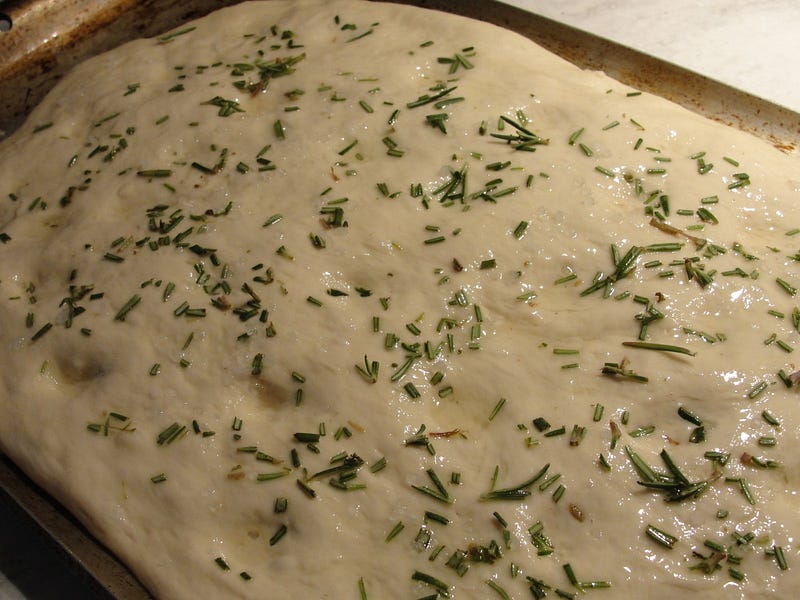
Dough brushed with oil, sprinkled with chopped rosemary and coarse salt, and dimpled. It’s ready for the final proofing. (Source: Linda Lum)

Baking

9. Let the dough rise in a warm, draft-free place until puffed and doubled, about 45 minutes to an hour.

10. Bake in a preheated 350-degree oven for 30 minutes or until golden on top. Serve warm.

If you wish to read my future writings, subscribe to my email list and you’ll be notified every time I publish a new story.

Copyright©2023  Linda Lum (Facebook, Hub Pages, Pinterest) is a retired 
budget analyst for the Federal government, wife, mother, author, and
 lover of anything and everything to do with food history. 
Books: "Past and Present," "How Corned Beef Became Irish,” "Ask Carb Diva"
Food
Middle Pause
Bread
Bread Recipes
Focaccia
Recommended from ReadMedium