
Perast Tourist Guide
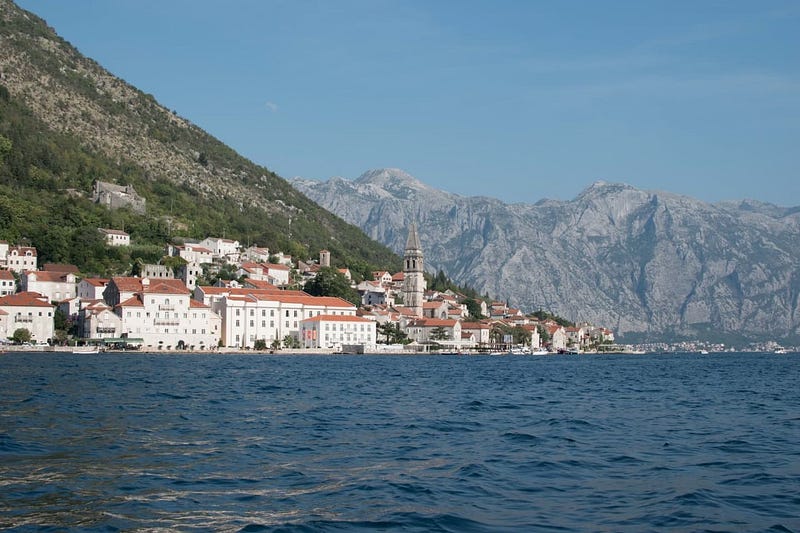
Framed by the arc formed between the main coastal road and the water’s edge, 3 kilometres from Risan, Perast is as picturesque as the other Montenegrin settlements along the coast. The houses around the water have a Venetian look reminiscent of the grandiose past of the area. For almost 500 years, Perast has been a strong maritime centre of the Adriatic, resisting the invasions of tourists, unlike the other towns in the area, which were captured by them. Sailors from Venice, and later from Russia, arrived here in large numbers to learn the art of sailing at the local nautical school. At the height of its development in the mid-18th century, there were four shipyards and a fleet of about 1,000 ships here. Over time, earthquakes, political upheavals and the imprint of age have stripped the town of its acknowledged glory.
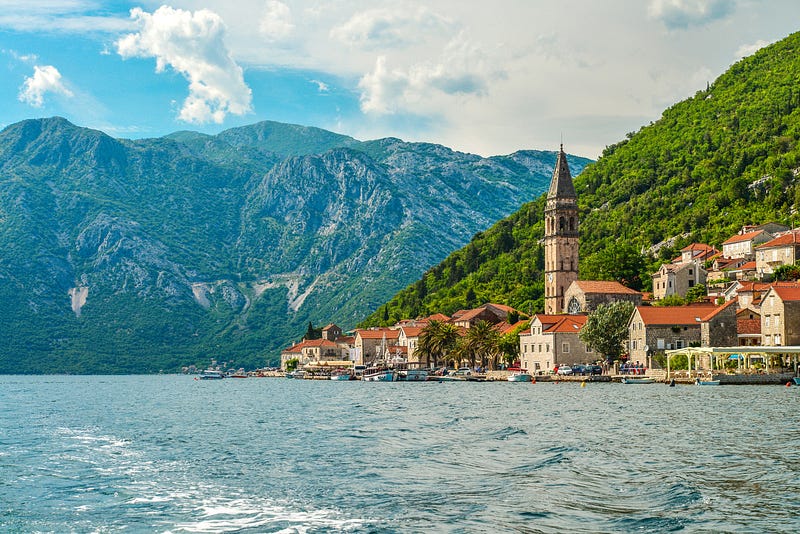
Although you can see almost everything it has to offer in a few hours, including the island of Gospa od Škrpjela (loosely translated as “Our Lady of the Rocks”), you may want to linger here a little longer. Almost everything worth mentioning in Perast can be found along or near Obala Marka Martinovica. Here you’ll find the most tangible remnants of the town’s former glory, including several Baroque-style buildings and palaces that once belonged to naval commanders such as Marko Martinovic — the town’s most cherished local hero — and Marija Zmajevic, admiral of the Russian Baltic Sea Fleet.
One of the buildings still in use today is the Bujovic Palace, near the northern entrance to the city, one of the first buildings you can see if you arrive from Risan. It is said to have been built from stone blocks quarried from a section of the defensive walls of Herceg Novi and has a Renaissance architecture, most evident in the porch arches and terrace above, above which two beautiful sculptures, lions symbolizing the Venetian Republic, tower. Today, the building houses the town museum, with some sober portraits of various seafaring lighthouses, furniture, books, flags and armaments. In fact, while it’s not such an esteemed collection, comprising a surprisingly small number of items from the city’s rich naval history, the interior is architecturally interesting — alongside the superb terraces, which you can access via the second floor gallery, note the ornate, square, stone entrances.
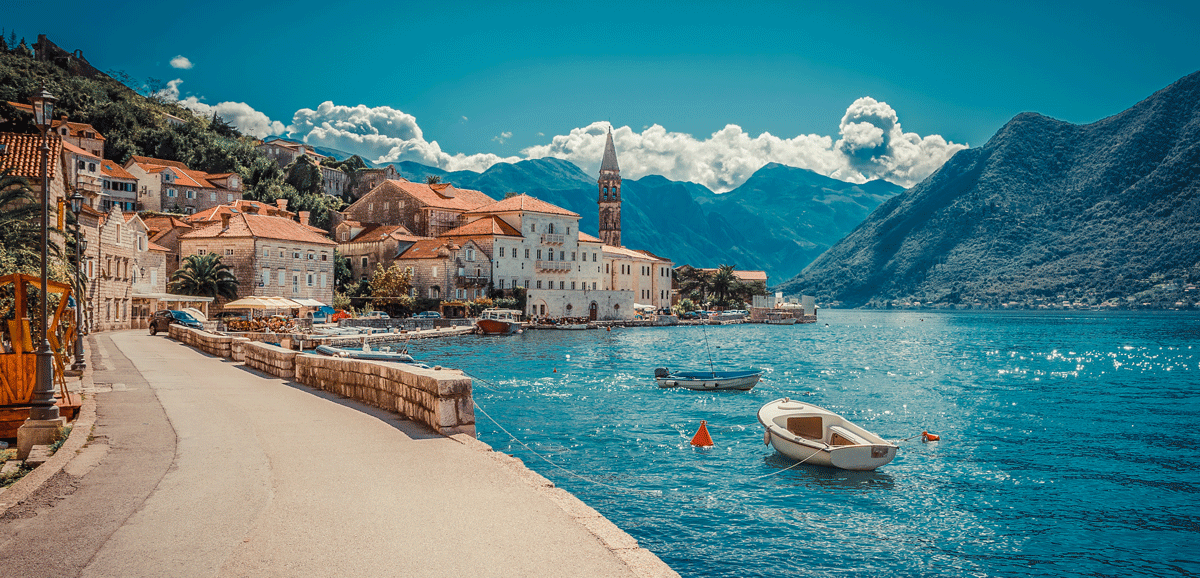
At one time, Perast had over 10 churches, many of which are still in use today. Situated in the square of the same name, the small church of St Nicholas (Crkva Sv Nikole) was built of stone brought from Korcula and completed in 1616. The single-naved interior is distinguished by its wooden roof and beautifully carved Baroque altar, while the adjacent treasures impress with religious objects such as icons and church vestments. One of the most recognizable silhouettes on the coast, the nearby 55-meter-high bell tower was completed in 1691, with the clock brought all the way from Venice in 1730. It’s worth climbing the steps to the top for the superb views of the bay. In front of the church are busts of the two heroes, Martinovic and Zmajevic, as well as the painter Tripo Kokolja.


