
Peptides perfected — My daily Nootropic Protocol after years of experimentation
A protocol that works time and again

I don’t know many people who have a set nootropic regimen that they apply to themselves on a regular basis. A regimen that really — consistently works for them. Without negative side effects.
Rather, most people are stuck in a loop of costly experimentation to chase the next big thing on the market. Only to find out that the effects are, yet again, not quite as promised, or too expensive. Today, it’s hard to distinguish between customer and marketeer. Luckily I could break out of this loop. I found a regimen that works for me time and again. It does not break the bank, nor has it produced any negative side effects so far.
Before we start
First of all, I need to state that I am not a medical doctor and none of the following information provided here is to be taken as diagnosis, medical advice or encouragement to do what I have done with my own body. I am merely reporting my own experiences in the name of open discussion and self-exploration. This is a subjective personal report. n=1! Please consult your medical doctor for any health-related assessments, medical prescriptions and therapies.
The Search
The reasons to take nootropics differ quite a bit from person to person. My need to find the perfect nootropic protocol was driven by a threefold experience: A decrease in sharpness of my mental faculties over time. A history of ambivalent to avoidant relationship imprints and its neuronal correlations. Glimpses of high states of functioning, some of which I touched upon in “The new Human”.
What didn’t work
Over the years I have tried many different nootropics substances in varying arrangements. To name just a few more recent ones: Methylene Blue, C12, Bulletproof, Huperzine, Galantamine, various peptides, PRL8–53, J147, Baniptersiopsis Caapi extract, Iboga TA extract, Modafinil, Racetams, Alpha GPC and all kinds of other compounds, herbs, blends and combos with and without Vitamins, Minerals, edible earth, Enzymes, Algae and so on.
Besides the money and time spent I was frustrated. Many of the things had downsides. Some of which were:
•spikes and drops, exhaustion over time, tiredness, headaches, irritable mood • anxiousness, overly emotional or too exuberant, mania, sleep problems, •negative longterm impact on memory, loss of focus, impact on liver/kidneys
What I wanted
On the positive side I was aspiring for a clarity of mind that allows to:
•connect the dots between sets of information (see the deeper layer of meaning and connection between things) •look for opportunities automatically as part of the cognition process •understand intended, implied and unintended consequences of given information • empathetically understand and anticipate the needs and goals of others • draw clear and healthy boundaries without games or trying to hurt others • be unapologetic in being myself and let others be themselves • creative in my self expression and thinking
In essence, the goal was to be my fullest self.
The Substances
After a lot of reading and experimentation I zeroed in on the following substances. Dosing and intervals will be described further down.
Lauric Acid/Monolaurin
Natural coconut oil contains fatty acids. These fatty acids (lipids) belong to a group called monoglycerides. The primary fatty acid in the coconut is called Lauric Acid. Upon consumption the human body turns Lauric Acid into Monolaurin. In general, it has a good reputation for its observed antiviral, antibacterial, antifungal and even anti-tumor benefits. In the human body it is reported to act as a natural antibiotic and also help modulate immunity and intestinal health.

While much cultural anecdotal evidence for its efficacy on oral use is available, a meta study from 2019 by Lisa Barker and colleagues shows that most of the reported effects have not been systemically studied in living humans (in vivo). The vast majority of studies relates to its well documented and pronounced in vitro effects.
Living system behave quite differently than a cell culture in a petri dish. That’s why results in one cannot necessarily be transferred to the other. Currently, topical applications and oil pulling are established in the literature. Many of the supposed health benefits on humans via ingestion are just not established (yet).
At the same time, people do report benefits on their health upon ingestion. As the main compound in coconut oil, Monolaurin is considered safe. For that reason it is also used and examined as a non-traditional food and milk preservative and even as coating on nano fibers to dress wounds.
However, Monolaurin still constitutes a saturated fatty acid. Saturated fatty acids (SFAs) are linked via Cholesterol to cardiovascular health. Therefore, the current recommendation is to not exceed the consumption of Monolaurin to more than 10% of total daily caloric intake. This recommendation is based mainly on an already saturated fat-heavy western diet.
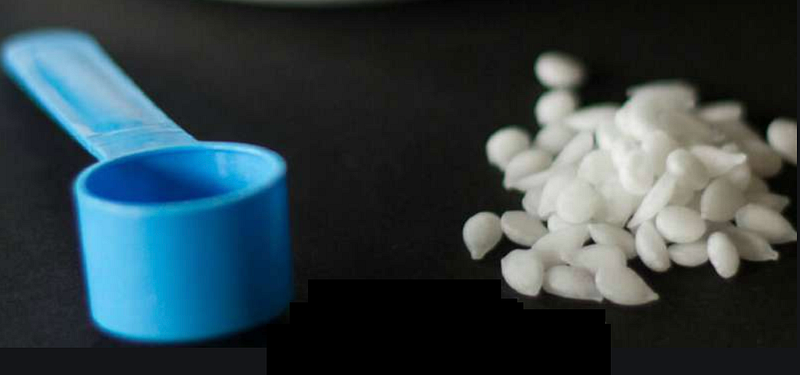
In vitro evidence: The antibacterial activities of Monolaurin function due to its ability to incorporate into the bacterial cell membrane. It has been found to dissolve biofilms and work against Borrelia in the lab. It works very well against gram positive bacteria. In that function, Monolaurin works synergistically very well with Monocaprin against Streptococcus pyogenes bacteria. Additonally, it has been shown to reduce viral load by >99.9% on 14 human RNA/DNA viruses.
At last, Nano fibers coated with Monlaurin “exhibited an excellent activity against Staphylococcus aureus and Candida albicans”. Which in turn speeds up wound healing, cell division and lessens infection risk.
So far, only in vitro evidence in the literature exists for its anti-infection and anti-tumor effects. At the same time, there exist anecdotal reports of people using it with some success as adjunct for Lyme treatment.
Mouse model: Preliminary studies show reduced neuronal degradation in Altzsheimer cases. It has also shown to reduce blood pressure and oxidative stress while reducing inflammation and infection.
Humans in vivo: Ketones thought to stimulate hepatic ketogenesis, supplying an alternative energy source for brains with impaired glucose metabolism. It is found that lauric acid can directly and potently activate ketogenesis. These results suggest that coconut oil intake may improve brain health by directly activating ketogenesis in astrocytes and thereby by providing fuel to neighboring neurons.
The strongest current lead for Monolaurin is an vivo study on men. The men were given Monolaurin and tryptophan and it was shown that it increased the release of cholecystokinin, a fat digesting enzyme as well as the reduction of ghrelin (the hunger hormone).
Semax & Selank
Both are peptides with nootropic effects. Semax and Selank came out of the research efforts of the cold war to counter premature ageing syndrome on soviet nuclear submarine seamen (source).
Therefore, research on both peptides is mostly centered around research from the former eastern block states. As a result, there seems to be a cultural, language and scientific bias concerning peptides of Russian origin. This reflects in the low number of studies available in English language.
While Wikipedia claims that Semax was on the Russian “List of Vital and Essential Drugs” I could not find supporting information for that statement. In most “western” countries Semax and Selank are not scheduled. (Neither the FDA or the NHS in the UK).
Semax
Semax is a heptapeptide and synthetic analogue of a fragment of the adrenocorticotropic hormone ACTH (4–10). It has been developed by the Institute of Molecular Genetics of the Russian Academy of Sciences at Moscow University. While in the 1960s it was shown that ACTH fragments could stimulate memory, the effects were only short acting. This changed with Semax.

Semax research and applications centers around memory, information processing and brain damage mitigation due to ischemic strokes (brain strokes).
In vitro: Semax was found to stimulate the activity of glutamatergic synapses as well as the ability to effectively modulate the short-term plasticity in sensory synapses.
Mouse model: A study from 2016 found that Semax was able to counteract the effects of heavy metal poisoning on learning and memory inhibition. It also stimulates memory and attention in rodents and humans after intranasal application (source). Therefore, it has been suggested as a therapeutic for ADHD and Rett Syndrome.
In a recent 2020 study Semax reduced brain damage after an ischemic attack (brain stroke). This may be due to Semax inhibting the inflammation response by way of suppressing inflammation related genes . At the same time, it activates the expression for neurotransmission, thus mitigating the ischemic damage. Similarly a 2014 study concludes that “The immunomodulating effect of the peptide and its impact on the vascular system during ischemia are likely to be the key mechanisms underlying the neuroprotective effects of the peptide”.
Semax also is able to reduce social stress in the rat model through immunomodulation. Other stress studies on rats come to similar findings that Semax has a dose dependant stress-limiting effect. One way it modulates the stress response is by changing the composition of colon microbiota at doses of 50 and 150 μg/kg. This is an indication that Semax has a systemic effects spectrum.
However, while a Semax/Selank combination was shown to reduce stress, it was not able to reverse the motor damage from Parkinson disease.
Humans in vivo: In humans Semax activates and increases the default mode network in the brain. The DMN is a functional brain network that is active when not focused on the outside world and external stimuli. This is especially interesting since psilocybin (section below) has similar effects on the DMN.
While the exact pathways of action remain somewhat unclear, Semax appears to stimulate dopamine release and brain-derived neurotrophic factor (BDNF) synthesis. A study with 110 patients on efficacy with ischemic stroke showed that Semax increased BDNF plasma levels. It was given in 2 courses (6000 mcg/day) for 10 days with 20 day break between intervals. As a result the high levels were positively correlated with early rehabilitation and motor performance improvement.
Selank
Like Semax, Selank is an endogenous regulatory peptide (naturally occuring in the body). It is is a synthetic analog of Taftsin. It belongs, like Semax, to the class of Heptapeptides. Selank has been developed at the Russian Academy for Sciences under Myasoedov Nikolai Fyodorovich and Ashmarin Igor’ Petrovich from the Academy of Medical Sciences (Lomonosov Moscow State University).

Studies on humans, monkeys and the rat model show that Selank exerts anxiolytic (stress and anxiety reducing) and nootropic effects. It also has pronounced antiviral and immuno modulating properties. Part of its mechanism of action has been found to be similar to benzodiazepines like Diazepam and Phenazepam.
Selank is availalable in Russian pharmacies and in use since 1994. It can be injected or administered nasally. Both routes show activation of different repector sites in the brain. Effects are noticeable within minutes and remain for stable for up to 24h — in certain cases longer.
Selank (and Semax) is generally deemed quite safe, with little to no documented adverse side effects. Furthermore, studies in the mouse model showed that both Semax and Selank have no adverses effect to embryonic stem cells and neuronal formation in the rat brain. Yet, research on the (synthetic) Selank is still limited while its natural variety Taftsin is rather well described.
Selank is known for its anxiolytic and nootropic effects. A lot of the research is centered around these properties as it is examined as an alternative and adjunct treatment for chronic stress, anxiety disorders, immune support and even to reduce the symptoms of alcohol withdrawal and neurotoxicity such as motorfunctions and memory loss. Selank alters the expression of genes related to neurotransmission (GABA, Dopamine, Serotonin receptors). Thus, by utilizing different receptors Selank can alleviate some of the GABA related problems (memory loss, dependency) that Diazepam treatments for anxiety disorders brings.
Selank administration decreases corticosterone and Th1/Th2 cytokine levels. It enables monkeys and humans to compensate for stress induced memory impairment. The bodily manifestations of stress exposure were reduced while accelerated biological adaptation to stress increased. In effect, it led to a positive impact on the life quality of the patients.
Memory retention is also increased by activating the metabolism of 5-HT in the hypothalamus and caudal brain stem. It was established, that Selank induces an increase in memory trace stability by its effects on the Serotonin levels in the brain.
Similarly, Both Semax and Selank also have been shown to inhibit the degradation of Enkephalin. This means the neurotransmitter was longer available to the body. Enkephalins are endogenous neuropeptides that interact with the opiod receptors. They play a role in memory and stress response of the body. These results suggest that high efficiency of Selank in the therapy of anxiety and phobic disorders, including generalized anxiety, is due to its ability to inhibit enkephalin hydrolysis.
Psilocybin
Psilocybin has received a lot of attention over the last years. Research is spearheaded by world-renowned institutions like Jon Hopkins and the Imperial College London and others as well as non-profits like MAPS . Psilocybin is being closely examined for depression, pain, addiction, PTSD, anxiety and relief for the chronically and terminally ill.
Most notably, Psilocybin has recently received the status as a breakthrough therapy designation by the FDA for treatment resistant depression.
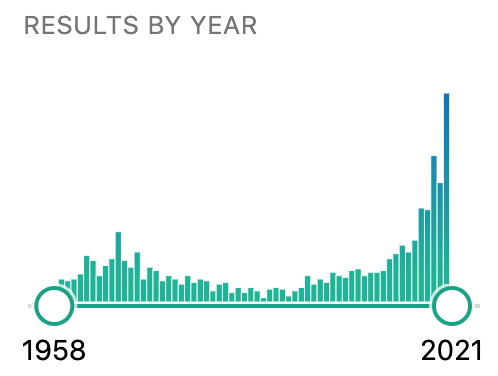
Of course, Psilocybin is also known for its (often life-changing) psychoactive and entheogenic properties. Therefore, new research on self-perception, mystical experiences and the default mode network (DMN) is shedding new light on the human experience and its neuro-correlates.
Psilocybin, is a Tryptamine (4-phosphoryloxy-N,N-dimethyltryptamine) and belongs, like LSD, to the class of serotonergic drugs. This means they are chemically close to Serotonin and work on the 5-HT2A and 5HT1A receptors.
Psilocybin mushrooms have been in use as sacrament by various cultures around the world for millennia. The Aztecs Indians referred to them as Teonanacatl, “the flesh of god”.

Accordingly, the safety profile for psilocybin is good. LD50 has been established at 280mg/kg of body weight. This means, in order to die from an overdose the equivalent of up to 2,2kg of dried mushrooms would need to be ingested (at 80kg body weight).
However, like with all serotonergic substances, caution is advised when MAO (monoaminooxidase) inhibitors are already in the system. Strong MAOs occur in antidepressants as well as naturally in certain foods and herbs. The same caution is advised for active pre-existing or dormant psychological conditions and neuro-chemical instabilities.
Albert Hofmann, the discoverer of LSD, first identified and synthesized the psychoactive mushroom compounds Psilocybin and Psilocin in 1958. Hoffmann also invented microdosing once he became too old to ingest full doses of LSD anymore. Reportedly, Hoffman microdosed until his death in 2008 at 102 years of age.
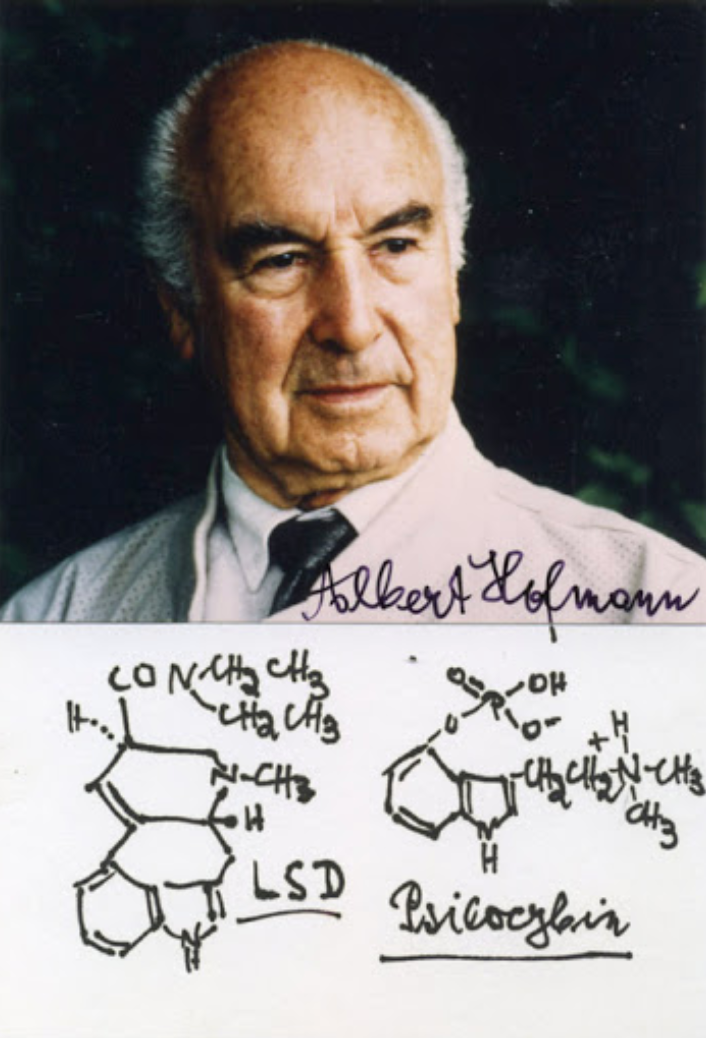
Despite that, microdosing as a larger trend is rather new. Employed by psychonauts and entheogenic communities, trend followers like Michael Pollan have picked it up and further popularized it. While the effects of “full” dose Psilocybin are rather well understood, not much publicized research on this specific form of ingestion exists.
General findings suggest, that the effects of Psilocybin may increase emotional and brain plasticity and change the brain structure sustainably-even after a single dose. In a similar way, Psilocybin sparks the sub-acute enhancement of creative thinking, empathy, and subjective well-being. This is due to changes in gene expression, “which likely influence synaptic plasticity and facilitate more long-term changes in brain neurochemistry”(source).
Despite the limelight and FDA and NHS approved studies, Psilocybin’s legality is still mostly under lock-and-key. Several states and cities pre-dominantly in the western US have decriminalized mushrooms and other entheogenic substances. On a federal level, it remains a scheduled substance. In the Netherlands the fruit bodies are scheduled while sclerotia (truffles), spores and grow kits are freely available. Conversely, in countries like Brazil or Nepal psilocybin mushrooms are completely legal.
The protocol & Dosages
Monolaurin: Every morning; 1 tsp Semax & Selank: Every second morning; 2 squirts each ( 0,1% solution) Liquid Psilocybin: Every second morning; 7 drops (more on dosage below)
Monolaurin, Semax and Selank are easy to use. The most widespread use of Psilocybin is in form of dried powder capsules. While that is easy and convenient for many, I personally do not like that form for various reasons:
•Swallowing more pills is not something I aspire to. •A liquid extract can be stored, dosed and measured very precisely. • None of the stomach issues that commonly occur with the non-digestive mushroom fibers.
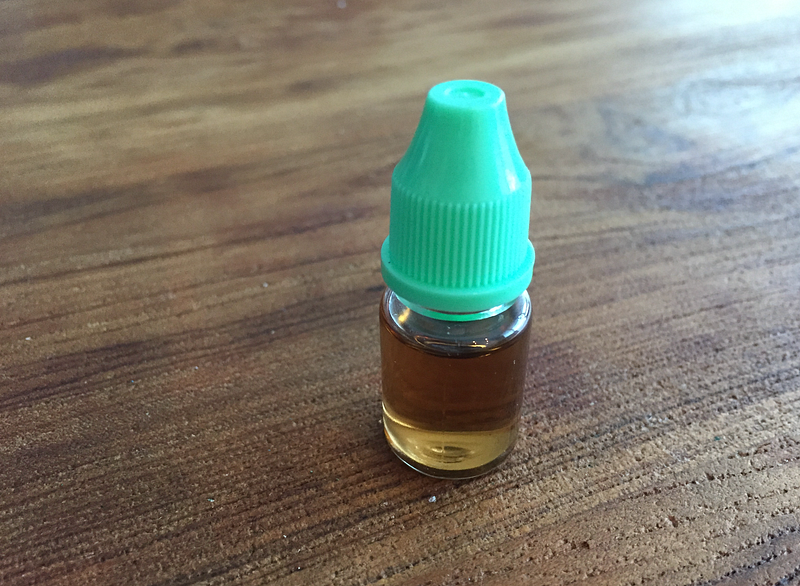
What I prefer are full spectrum extracts. They are alcohol based extractions of preferably fresh (or dried) mushrooms. Full spectrum refers to Psilocin and Psilocybin both being present. Depending on the mushroom species, the amount of Psilocybin can vary (usually, calculations are done in dry weight).
Dialing it in
Each body is different. For me, 7 drops was the sweet spot. When I felt body load or trippy effects, I knew I was dosing too high. I would adjust and do 1–2 drops less the next day. This way I would go up and down until the perfect dose was found. For example, Too high means I couldn’t fully focus on a task at hand. I couldn’t fully benefit from the nootropic effects because it was too opening. The feeling was slightly too much removed from consensus reality.
The point was to find the sweet spot juuust above not having any effect at all. That’s why I didn’t like cutting blotter or mushroom powder. Ease of use and precision. I have found that micro at the correct dosage means I can use it for three months (every workday) without any negative side effects. Yes, I have done that before switching to the alternating pattern.
When dialing in the dose and I would dose too high I would notice it latest on the third day. It was marked by irritability and moodiness. That’s why I suspect many people recommend a break in the regimen — to let the Serotonin rebalance in the brain. In my experience it’s a result of an improperly dialed in dosage.
Additional info on Psilocybin content For completion here are some estimates on how much Psilocybin a 7 drop dose contained: “Normal” cubensis strains contain between 0.5% to 2% per 1g of dry weight. Pan cyanensis strains can contain anywhere from 3% upwards. However, due to relative rarity and cultivation they are usually not very accessible for most.
My calculations are based on a 2% psilocybin per 1g of dried mushrooms. I used a 2ml dropper vial. The vial contained the equivalent of 3g of dried mushrooms. The dropper I used dispenses about 230 drops in 2 milliliters of solution . That means 7 drops contained about 0.091g of mushrooms. An equivalent to about 1,82mg of psilocybin at 2% dry weight.
Learnings along the way
Throughout the experiment I dosed all substances alone and in differing patterns and combinations for about 8 months before dialing in the final daily alternating pattern that would produce the desired effects. Before publishing I tested the final pattern for another 6 months to prevent pre-mature cheerleading.
Psilocybin: In the experimentation phase I dosed the full protocol every single workday (without alteration) for about 3 months. It was without any major negative side effects. However, I would get tired towards the end of the week due to the high stimulation. I switched to an alternating pattern which costs me less energy and reduced the slight tiredness at the end of the week. That way, I could dose throughout the entire 7-day week.
Important: Continued Psilocybin microdoses will eventually transport deeper rooted conditionings, emotions and dysfunctions to the surface of everyday consciousness. Proper knowledge in Holotropic States and Transpersonal Psychology is indicated. For most, supervision by qualified therapists is advised to resolve upcoming psycho-emotional “knots”, systemic entanglements or trauma.
Monolaurin: Additional doses throughout the day or at night did not make a difference in nootropic effects (The only difference was on digestion and stool). One teaspoon in the morning was sufficient. I suspect the antiviral as well as the ketogenic effects being responsible for having more energy in general. Due to the Ghrelin suppression and ketogenic effects it allowed me to either skip breakfast completely or have a late breakfast/early lunch suffice. While feeling better I actually lost some superfluous fat.
Semax/Selank: Higher doses or repeated daily uses would lead to slight headaches at the end of the day. This ceased when employed within the alternating pattern and not exceeding 3 squirts for each substance. Leaving either one of the two out of the regimen would be noticed in less pronounced effects. The feeling of sth missing was there.
Conclusion
Finding a proper nootropic protocol is no easy task and requires persistence and the will to systemically experiment. Everybody’s genetic makeup responds different to different substances. Every body responds different to a protocol over pro-longed periods of time. There are hundreds of new substances out there with varying degrees of research behind them. The temptation is strong to just jump from one to the other.
Sticking to and diving into a smaller set of substances that deeply fascinate me came with a high reward:
The ability to live a fully productive life on all levels — repeatedly and without side effects.
While this may not be true for others, in my personal experience I found this protocol to be easy to use, easy to adapt, reasonably safe, free of side effects and inexpensive. Another advantage is that the protocol really works by itself. It’s a full regimen for my needs. For me, signs of an improperly working protocol are if I had to start stacking other things on top of it after a while. So prior to this, I often ended up with 10+ substances and countless pills each morning. With this, it was not necessary at all — even after months of continued use.
I have also combined and concurrently used this protocol while on-cycle with the body repairing peptide regimen. However, while both do not interfere with each other I found it overkill to use both at the same time. It’s simply not necessary. Both regimens are strongly nootropic. I found this regimen to be a perfect daily regimen when not using the rather expensive body repairing peptides.
Further Reading
Sources and academic papers are linked directly in the text. Additionally, I recommend the following sources for deeper dives and community:
Reddit https://www.reddit.com/r/Nootropics/ https://www.reddit.com/r/Peptides/
Adventures through the Mind — James W. Jesso https://www.jameswjesso.com/cannabis-nutrigenomics-how-your-genes-effect-your-high-david-krantz-attmind-111/
Selfhacked https://selfhacked.com/blog/all-about-semax/
Russian marketing overview for several peptides https://bodyhunter.cc/
Selection of recent Psilocybin research
— — —


