
Pepsi Once Had the 6th Largest Navy in the World
Sometimes the truth is wilder than fiction
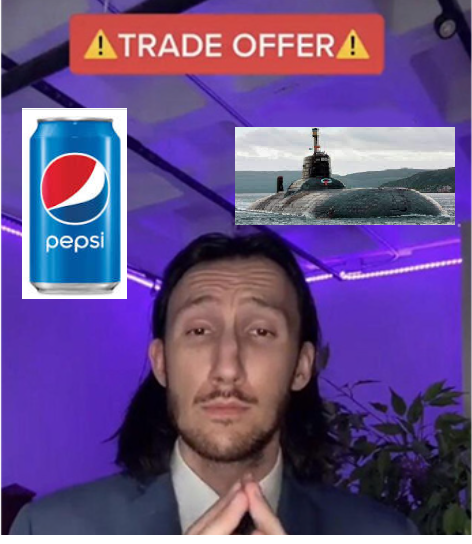
I’m not gonna lie, there have been times in my life where a soda has definitely hit the spot. Apparently, Russians take that to a whole new level. The year was 1959 and Pepsi wanted to get into the Russian market, and Russians took one taste of the drink and loved it. The problem? Much like today, Russian currency was completely worthless outside of Russia. The two parties were determined to make a deal, and as such, they worked out a barter:
In exchange for Pepsi, the Russians would give Pepsi their state-owned Russian brand Vodka to resell in the U.S.
This deal worked great for a number of decades until the cold-war era began to heat up and Americans began to boycott Russian products. Apparently, Russians REALLY loved their Pepsi so they spent months trying to work out a new deal in order to get their beloved Pepsi to the Russian people… and they worked out an even stranger deal than the first:
In exchange for 3 Billion dollars worth of Pepsi… the Russians would outfit Pepsi with a Soviet cruiser, a frigate, a destroyer, 17 submarines, and a handful of oil tankers. This immediately made Pepsi the 6th largest Navy in the world, and what they did with it was even crazier…
Plundering
In order to make the most out of their new Navy and fleet, they reigned terror on the seas and smaller coastal countries for nearly a decade. They would sink pirate ships to steal their money, charge taxes to shipments coming in and out of some countries, and…
Ok, that last part was a lie. They actually just scrapped all of the fleets and used the various steel, aluminum and precious metals for resale. It was the equivalency of trading steel for Pepsi, but that isn’t quite as interesting of a story now is it? Nonetheless, by the numbers, Pepsi actually boasted one of the largest navies in the world for a short time. Now, the deal was made in response to the massive ramp-up of military equipment from the Soviet Union, that… essentially became too expensive to maintain and were sitting in a ship graveyard barely staying afloat. Now, they had all of these ships and submarines laying around that couldn’t be repaired or used, so they traded it for Pepsi!
The U.S. Government wasn’t too pleased with the deal
As you can imagine, the U.S. government wasn’t too fond of a U.S. corporation now having a large enough navy to take on some large countries. In a rather hilarious response, the CEO of Pepsi stated that they shouldn’t be complaining because “We’re disarming the Soviets faster than you are.”
This deal ultimately came to an end after the fall of the USSR, and the people of Russia discovered something they like even more: Coca Cola.
New To Medium?
If you like this article and want to read more from me and authors like me, without any restrictions, consider becoming a Medium member using the link below!
You get unlimited access to tons of great work, and it helps me by getting a small portion of the membership at no extra cost to you!
Buy Me a Coffee: buymeacoffee.com/calebnaysmith


