
Trees, like people, are social creatures
People And Nature Are Interconnected
How Can The Forest Service Help People Interconnect What They Care About With What Nature Provides?
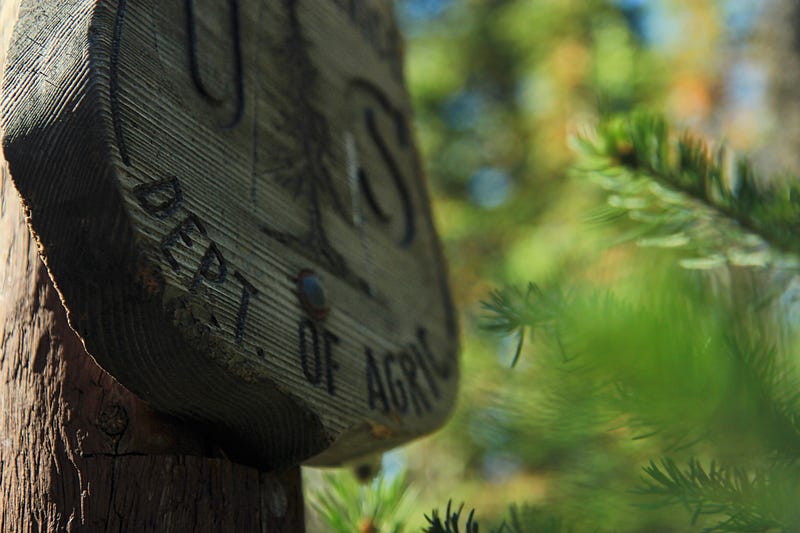
The Forest Service has a global reach and mission
The US Forest Service ( an agency within the US Department of Agriculture — USDA) continues to maintain and protect forests, but many national forests are now “multi-purpose” areas. As a result, the Forest Service has succeeded in protecting the fish and wildlife that live there. Those forest settings are open to the public for outdoor recreation, including hiking, fishing, and camping. The Forest Service also shares its experience with individual landowners, states, and countries around the world. [Source: 6]
The world’s largest forest research organization
The Forest Service is also the world’s largest forest research organization and provides technical and financial assistance to public and private forest agencies. Congress established the Forest Service in 1905 to provide quality water and timber to the public. In response, Congress directed the Forest Service to manage the nation’s forests for a variety of additional purposes and benefits and to sustainably obtain renewable resources such as water, fodder, wildlife, timber, and recreation. [Source: 7]
Land and natural resources management
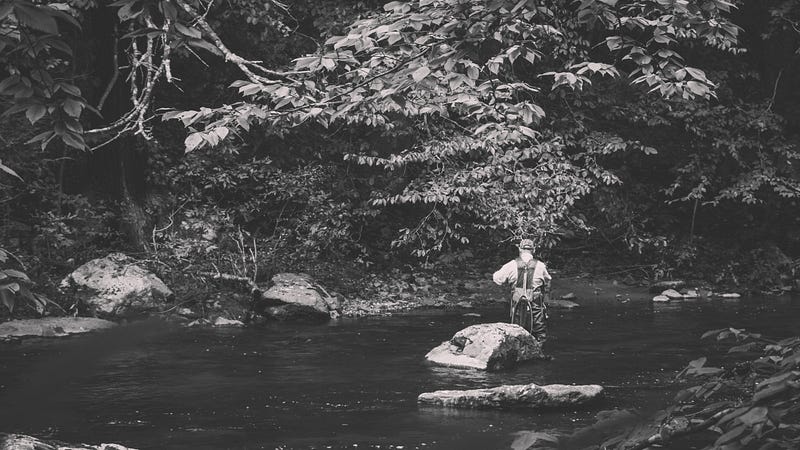
Land and natural resource management involve maintaining or improving the quality of these resources and using them in such a way that they can be restored in the future. Human resource management includes considering social responsibilities, such as the working and living conditions of workers, the needs of rural communities, and the health and safety of consumers, both now and in the future.
The need to address the causes of human and social degradation
Therefore, long-term management of natural and human resources is equally important for short-term economic gain. The human environment and the natural environment are deteriorating simultaneously; we will not be able to adequately combat environmental degradation unless we address the causes of human and social degradation. [Sources: 3, 8]
Forest protection and management — the common denominator in the interconnectedness of people and nature
The Forest Service’s international workshop aims to bring people and communities together to protect and manage forests around the world. The job of Forest Service managers is to help people share and enjoy forests while preserving the environment for future generations. By expressing your opinion to forest managers, you will help them balance all these uses and make decisions that benefit the forest and society. [Source: 7]
Benefits that nature provides for people
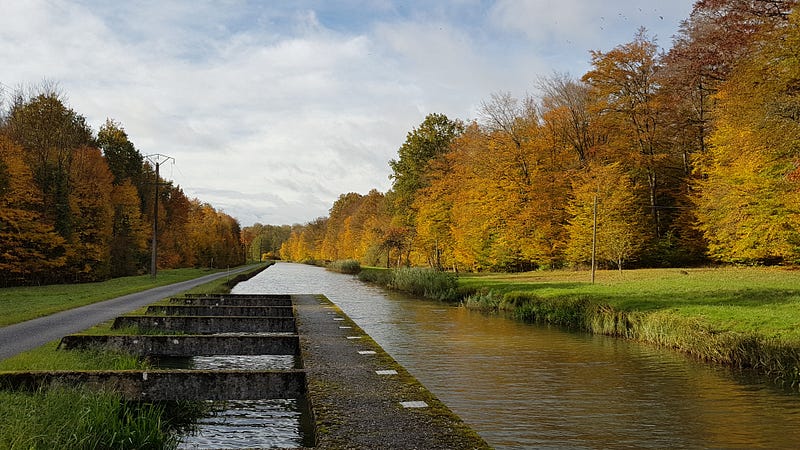
National forests offer recreational opportunities in open spaces and natural environments. More than 100,000 protected areas, including national parks, reserves, game reserves, and protected marine areas managed by both governments and local communities, provide habitat for wildlife and help control deforestation. [Sources: 2, 7]
The importance of maintaining healthy ecosystems
In addition, ecosystems provide important services such as pollination, seed dispersal, climate regulation, water purification, nutrient cycling, and pest control. Biodiversity also refers to potential unrecognized benefits, such as new medicines and other potentially unknown services.
The need to understand nature’s cultural services
In many cases, cultural services are one of the most important values that people associate with nature: it is, therefore, important to understand them. [Sources: 2, 9]
Behold, the superorganisms of the planet have revealed themselves
These interactions, which include photosynthesis, pollination, decomposition, and others, help create and form natural communities. Natural processes are interactions between plants, animals, and the environment. The trees, undergrowth, fungi, and microbes in a forest are so closely related, sociable, and interdependent that some scientists call them superorganisms. [Sources: 0, 5]
Trees, plants, fungi, and microbes in forests are so closely related that some scientists call them superorganisms. The social life of forests Trees seems to communicate and cooperate through fungi’s underground networks.
Trees, like people, are social creatures- believe it or not
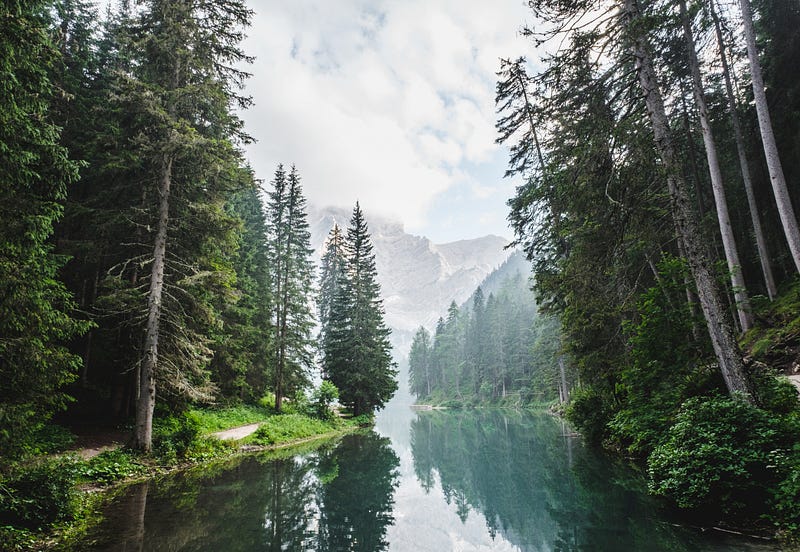
Public attention was drawn to Simard’s discovery that trees are social creatures that exchange nutrients, help each other, and report insect pests and other environmental threats. Researchers found that in a natural forest, the more birch Douglas fir seedlings shaded, the more carbon in the form of photosynthetic sugars the birch gave them through the underground mycorrhizal network. [Sources: 4, 5]
These small gaps in the canopy can help preserve natural communities by allowing new trees to become part of the canopy. Where forests have been cleared with minimal soil disturbance, mixtures of different trees, including many native hardwoods, can be quickly returned from discarded stumps or seedlings.
Gradually, as mature trees die, this age-appropriate successor forest may eventually give way to unevenly arranged trees, shrubs, and herbs in natural communities in the same environment. If nearly all oak seedlings are eaten by deer, other common tree species will be able to take advantage of gaps in the forest canopy. [Source: 0]
The interconnectedness of people and nature: people can help forests — forests can help people
While locally adapted seed regeneration is best, we have changed the climate so quickly that forests will need help to survive and reproduce. Simard believes that taking care of some of the mother trees that have the strongest and most diverse mycorrhizal network will greatly improve the health and survival of future seedlings, both planted by foresters and those that will germinate on their own.
Simard says there are many actions people can take to help forests, the world’s largest carbon sink, recover and thereby slow global warming. [Sources: 4, 5]
The Takeaway — Follow the Science: the interconnectedness of people and nature
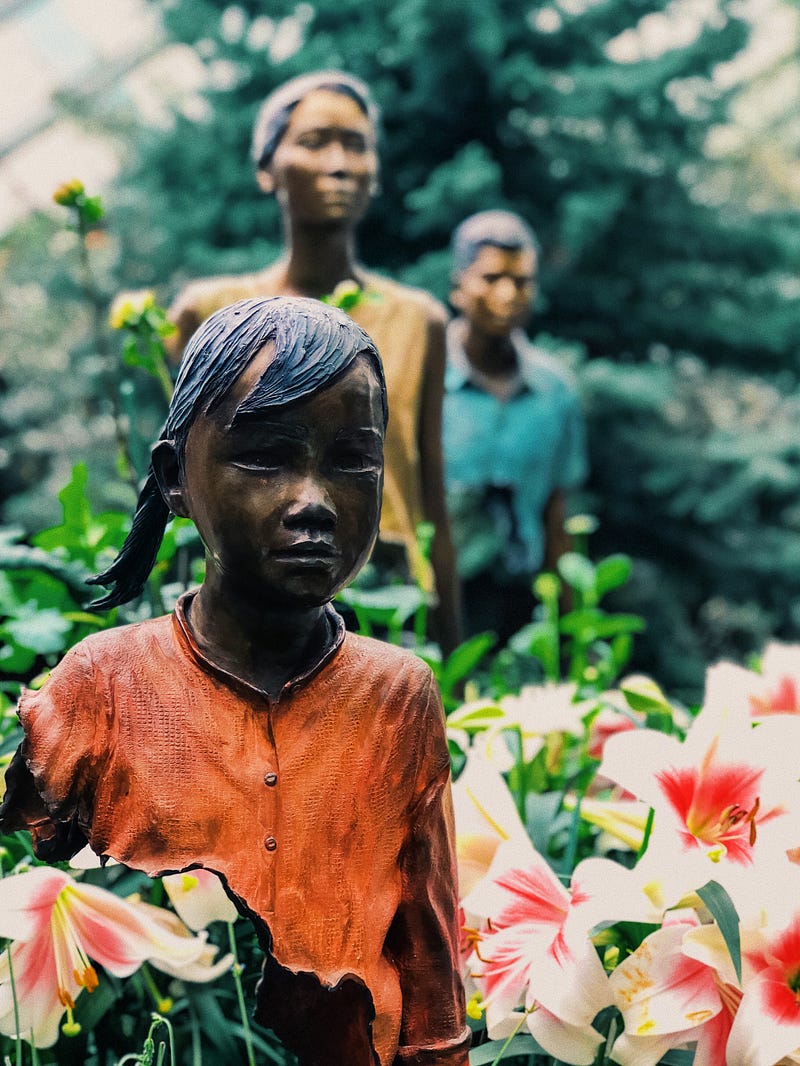
The Mother Tree Project is trying to apply these concepts to real forests so that we can start managing forests for sustainability, biodiversity, and health, recognizing that we have effectively brought them to the brink of extinction due to climate change and overexploitation. The emerging understanding of trees as social beings has profound implications for how we manage forests. We use the term “biocultural” to describe the dynamic, ever-changing, and interconnected nature of people and places, and the idea that social and biological aspects are interconnected. [Sources: 2, 4, 5]
Thank you for reading! My thanks to @DrMehmetYildiz for kindly publishing my blog post! Please share your sentiment in the comments section. Thank you!
The Sources List is at the very bottom of my blog post! Enjoy!
Full Disclosure: This link will take you offsite — outside of Medium:
Like my awesomeness? Please — would you buy me a Ko-fi
Thanks for reading! If you liked my article, subscribe to Medium to get more articles that I publish regularly!
Free or $5/month: Check out Medium — a social media platform venue for freelance writers like me
If you want to support me as a writer, consider signing up to become a Medium member. It’s $5/month, giving you unlimited access to stories on Medium. If you sign up using my link, I’ll earn a small commission.
Join Medium with my referral link:
Get an email whenever Patrick OConnell publishes:
You can find me on LinkedIn (ID: azpat0)
If you like my article, check out my other stories on my Medium Profile page!
I am a freelance writer- available to write YOUR blog posts or articles -
Samples of my work are on my Medium Profile page:
And also on my website -
Full Disclosure — This link will take you offsite outside of Medium:
I also publish a weekly newsletter on Substack: The Market Algo Newsletter — It forecasts the direction of the S&P 500 market — index for the upcoming week -
Full Disclosure — This link will take you offsite outside of Medium:
Sources
[0]: https://explorenaturalcommunities.org/ecology-basics/natural-processes
[1]: https://www.weforum.org/agenda/2020/04/covid-19-nature-deforestation-recovery/
[2]: https://www.amnh.org/research/center-for-biodiversity-conservation/what-is-biodiversity
[3]: https://www.nature.com/scitable/knowledge/library/sustainable-agriculture-23562787/
[4]: https://www.scientificamerican.com/article/mother-trees-are-intelligent-they-learn-and-remember/
[5]: https://www.nytimes.com/interactive/2020/12/02/magazine/tree-communication-mycorrhiza.html
[6]: https://www.nationalgeographic.org/encyclopedia/us-forest-service/
[7]: https://www.fs.fed.us/pages/meetfs.html
[9]: https://www.fao.org/ecosystem-services-biodiversity/background/cultural-services/en/
[10]: https://www.ipbes.net/news/Media-Release-Global-Assessment