Penny Ponders On The World Of Shadeward
Living under a sun that never sets
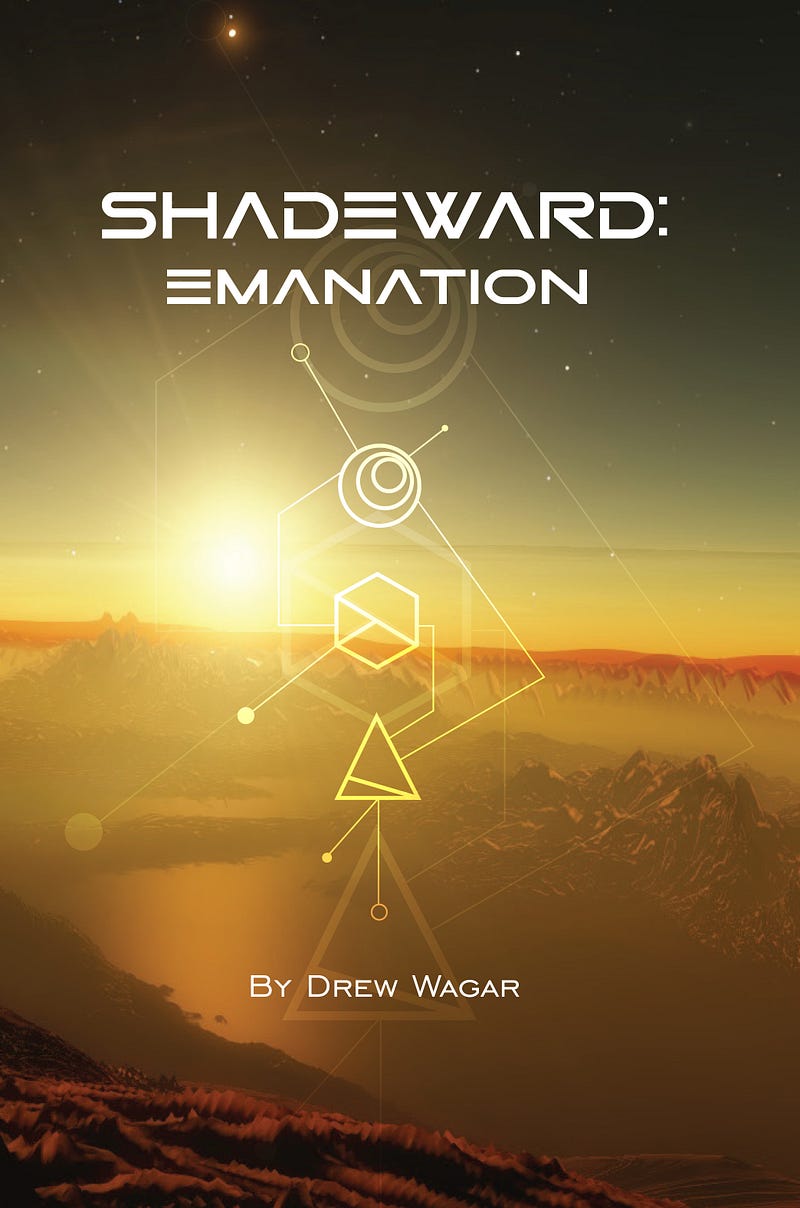
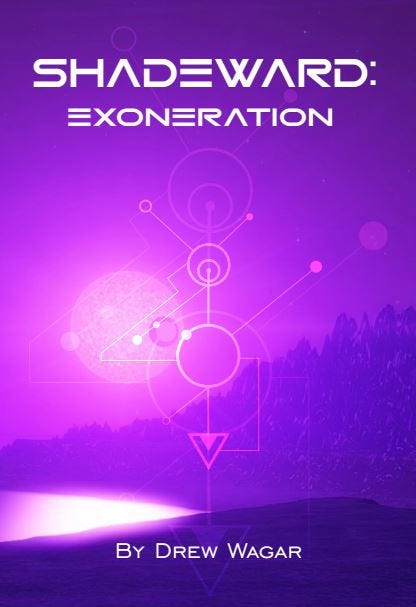
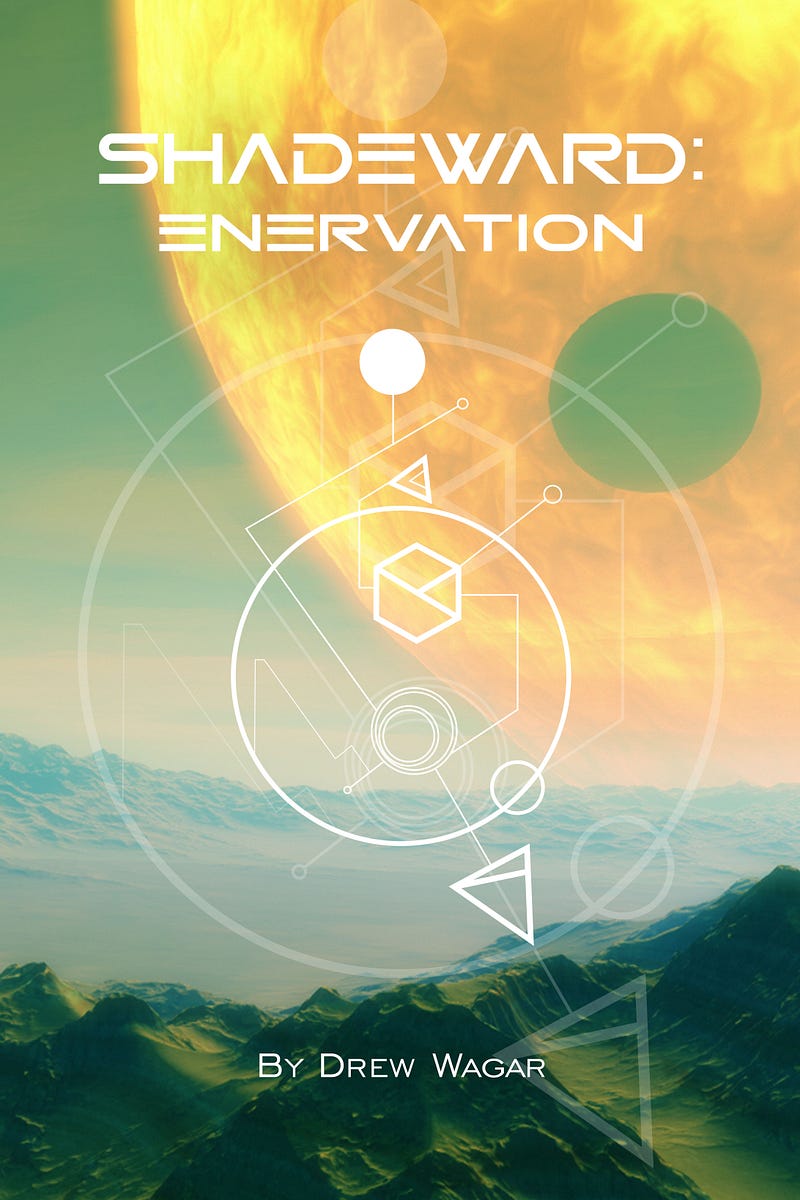
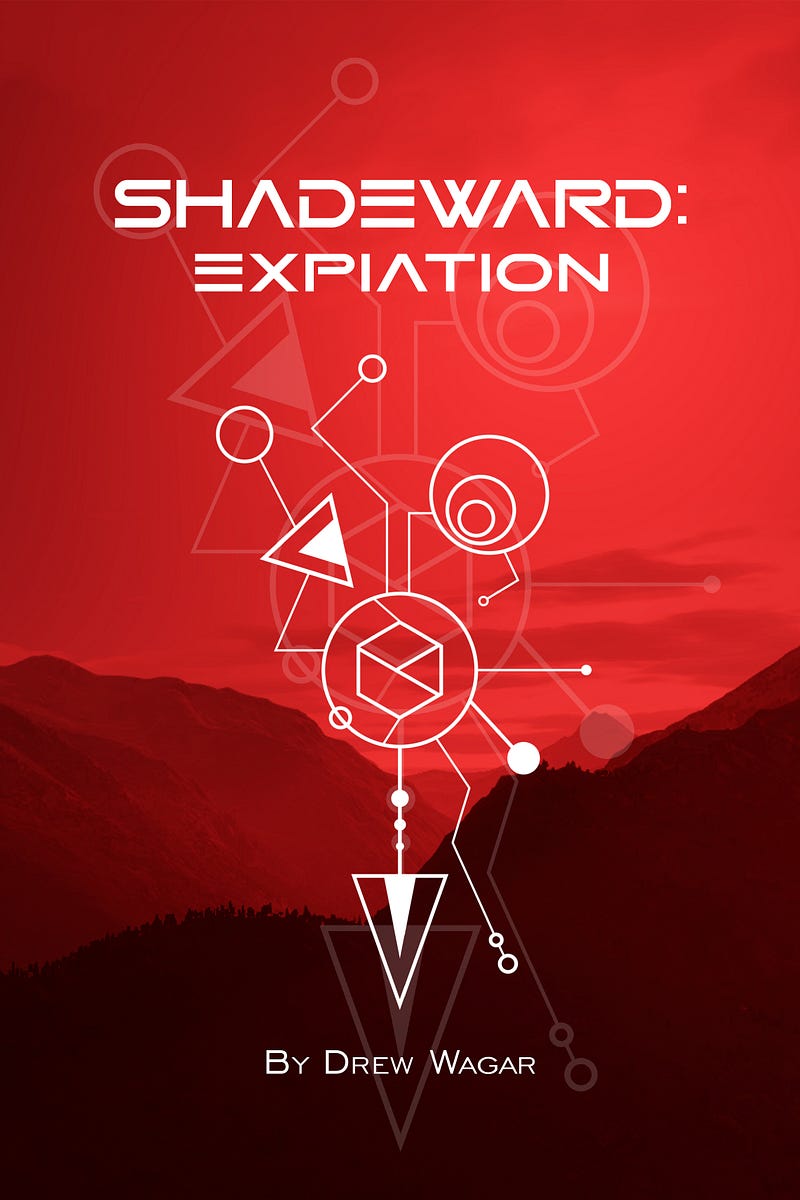
If you love Anne McCaffrey’s books and you’ve not yet found Drew Wagar’s Shadeward series, you’re in for a treat.
Drew Wagar has said in interviews that he is a McCaffrey fan himself. His books, though they have that McCaffrey vibe, are by no means clones. In fact, I would say that it’s only his Shadeward series (so far) that falls within the McCaffrey envelope.
The Shadeward world is real
Ok, so the Shadeward world is made up, but it could be real — it could exist somewhere out there without breaking any of the laws of physics. Wagar does his homework. The star systems he writes about exist or could exist — the locked orbits that give us a planet on which the sun never sets are a real thing. And everything that happens as the story unfolds has a solid explanation behind it — bear that in mind as you read. Wagar can write fantasy too, and he writes it well — check out his Lords of Midnight series — but Shadeward is solid science fiction.
If the series grips you, you’ll have more to explore in his pieces about the science and astronomy behind the series.
The main series comprises 4 novels:
My advice is to read them in order — I don’t always advise that for a series, but although each can be read as a standalone story, the way they build on each other adds extra dimensions as the books progress.
As you will know if you’ve encountered me pondering before, I’m not aiming for book reviews. I’m homing in on specific areas of these books where I’ve wanted to know more or where I’ve been left with unanswered questions.
The Shadeward series is being put under the spotlight for Fantastic Books Publishing’s
If you want to read reviews of these books, there are plenty on Amazon and Goodreads. I will direct you to these by fellow author Stuart Aken, as I know his reviews are comprehensive and honest:
Where are they going next? I need to know!
It has to be said — in Drew Wagar’s hearing — that Anne McCaffrey didn’t stop at 4. Indeed she didn’t stop at 40. And although the Shadeward series comes to a satisfying conclusion — in a way that McCaffrey’s series never quite did, there has to be more to be said.
And this was my focus when I asked Drew Wagar the following 2 questions (the Mobilis referred to in the first is an ocean-going ship):
At the end of the series, are they close enough to technological expertise, e.g. being able to build their own Mobilis, that they will get there, or could another cultural clash lead to war that puts them back into the dark ages?
And do you plan any more in this series eg short stories, prequels?
Here is Drew’s reply:
The epilogue of the Shadeward Series paints a picture that the civilisation did finally emerge from the pre-technological ‘dark ages’ the main story is set in. Hundreds of years later a far more technically advanced civilisation is looking back at the events of the story and trying to make sense of the few artefacts (and a skeleton!) that survived the period.
As our own history shows, progress isn’t always smooth, so there were a few backward steps in that process! I generally think that once the “technological genie is unstopped” progress is inevitable, so the future of the Shadeward planet is a much more technologically capable place than it was in the time period where the Shadeward story is set.
I’m currently working on a parallel series of stories “Hegira” which takes place in the same universe, but deals with other planets, that will take a few more years to complete.
I also want to look at a prequel series which explains how humanity evacuated the Earth and headed out into space to colonise worlds like the one in the Shadeward novels.
The Mobilis, the ship in the Shadeward story, has also become a bit of a character in its own right. By the time of the original story it’s pretty dilapidated and very old, but the question of what it was doing before the Shadeward crew got hold of it has yet to be answered, so a stand-alone book “Voyages of the Mobilis” is on my list of things to do as well. That will probably be set a few hundred years before the existing Shadeward stories, but it’s yet to be planned in detail.
This is all good news for Shadeward fans. And in fact, you can track the progress of Drew Wagar’s novels on his website. He publishes his planned writing schedules.
He also runs a regular Wagar on Writing stream which is worth bookmarking if you want to get some tips from a professional full-time novelist.
MABLE 2022
Both the Shadeward series and Drew Wagar are in the spotlight during this autumn’s online MABLE 2022 event that will run during September and October. Do sign up. It’s free and you’ll have the chance to chat with the authors.


