
Paying the Rent
And going with the flow
Several years after the great cataclysm the Jenhallo people, after years of wandering, returned to the land where they used to live. They were surprised to find new people living there — and they were surprised that the new people were thriving.
The great cataclysm had left the land uninhabitable. Their homes and crops were destroyed. Many perished. For the sake of survival they were forced to leave their homeland and search for a new home.
They had become nomads yet they maintained a deep-seated memory of the old times and longed for a homeland to settle into. The people felt joy in finding that their original homeland was once again habitable but they also felt anger to discover that it was inhabited by other people.
Camping a few miles away, the Jenhallo people held meetings. Discussion was rampant among everyone about what to do. Some wanted to attack the new people and drive them out so as to retake the land. Others wanted to resume their wandering in search of a new land.
Minganez, an old medicine woman did not partake in the debates. She went out into the nearby hills to meditate and feel the land. When she came back to camp everyone stopped their discussion and turned to hear what she had to say:
“Humans cannot own the land or the trees or the sky or the water. All humans are nomads moving with the energies. All land, all homes are just rentals. The rent we pay is our love for and care-taking of the land. We can love our homes but not own them. The natural order is to flow. To not follow this flow is to stagnate.”
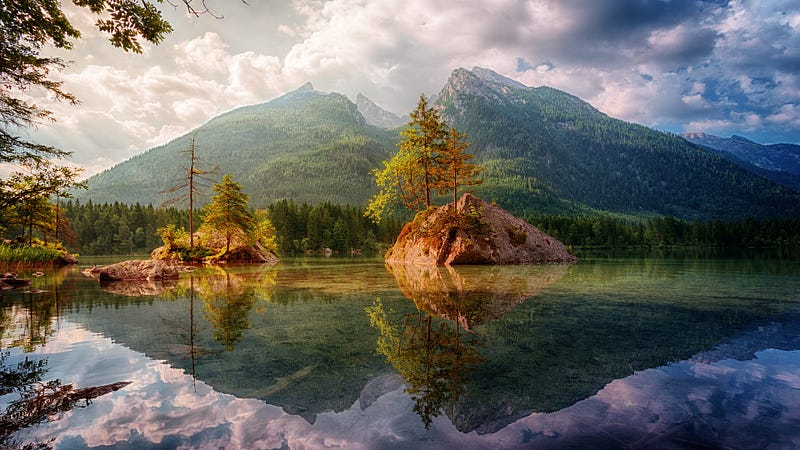
“I have communed with the land here and it told me that another cataclysm is coming. We cannot go back in time and it is foolish to repeat the past. There is a place to the northwest of here. There is a lake surrounded by hills and forests. That is where we should go and live for the next five generations before we move once again.”
“But first we must warn these new people of the upcoming cataclysm. They will not believe us. They will think we are trying to trick them. But it is our duty to warn them then quickly move on.”
Many of the Jenhallo people grumbled at this.
“In the future the survivors of that cataclysm will begin wandering just like we did. They will eventually stumble onto our home by the lake to the northwest. Some of them will remember us. We must welcome them with open arms.”
The grumbling intensified.
“So let us move and be quick. Our next rental awaits us and it is definitely not here.”
The Jenhallo men who had been arguing for an attack on the new people in their old land were not happy with what Minganez said. But the consensus of the others was to follow her advice. The thought of undergoing another cataclysm finally prompted the people to leave and head to the northwest in search of that lake.
All of Minganez’s predictions came true. The Jenhallo people found that lake and settled there and for several generations lived in peace and abundance. And the old land did indeed suffer another cataclysm and the survivors did in fact eventually show up at the lake. The Jenhallo people took them in and together they lived in harmony and waited…
Minganez’s predictions did not go beyond that. They remembered what she had said about flow however. So the two people waited together for the next eviction which flow would surely bring them in coming years.
Copyright by White Feather. All Rights Reserved. This is a work of fiction. Stories by White Feather
Speaking of nomads…