Paws for Thought:the Language of Feline Interaction
Have you ever watched a cat encounter another cat and wondered what exactly was being said in that flurry of tail flicks, ear twitches, and enigmatic meows? While cats may seem like masters of mystery, their language, though subtle, is quite decipherable once you’ve cracked the code.
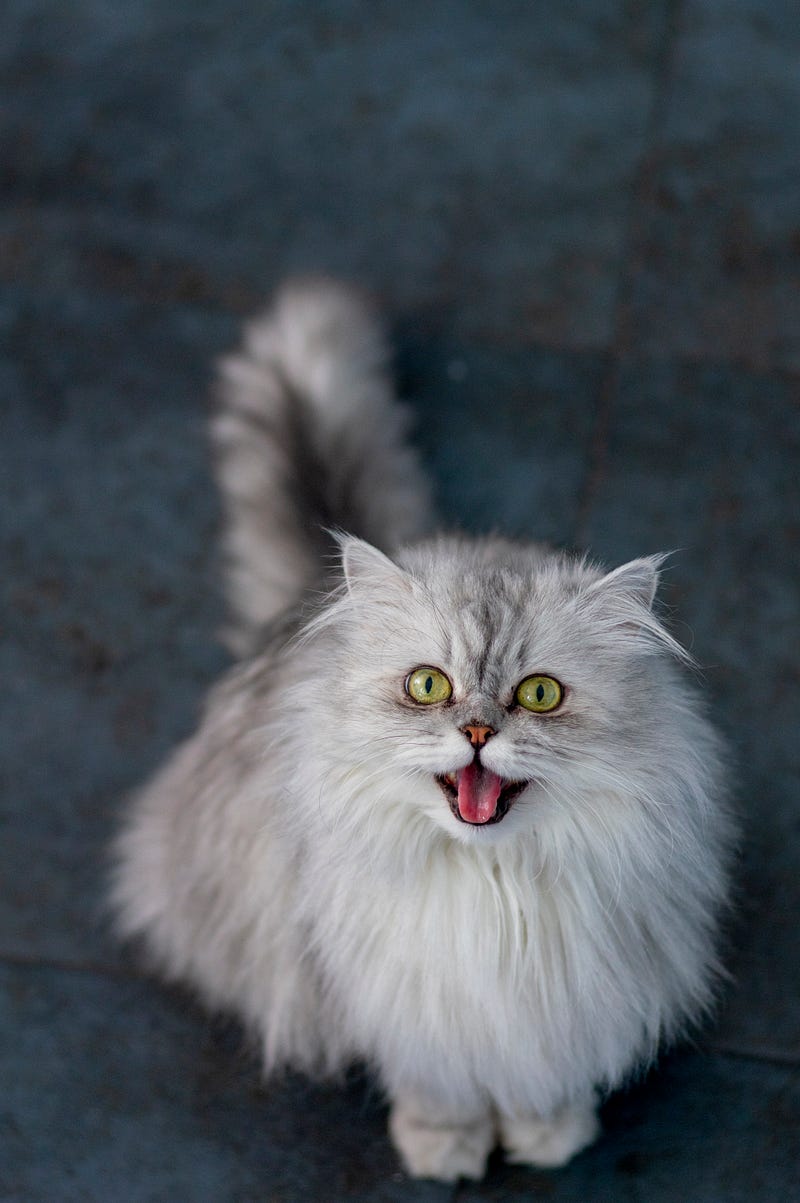
Meowing: The Cat’s Vocal Symphony
Meows are the most obvious form of cat communication, but their meaning can vary depending on the context and tone. A high-pitched, insistent meow might mean “Feed me, human!” while a soft, questioning meow could be asking, “Where’s that pesky red dot?”
Tail Wagging: A Tale of Two Tail Positions
A cat’s tail is like a furry compass, conveying a wealth of information. A high, upright tail signals confidence and friendliness, while a low, twitching tail suggests anxiety or nervousness. A tail held straight out like a flag means “Back off, this is my territory!”
Ear Twitches: Decoding the Language of Ears
A cat’s ears are like radar dishes, constantly scanning the environment for signals. Forward-tilted ears indicate alertness and curiosity, while laid-back ears suggest relaxation or disinterest. Ears flattened against the head mean “I’m not happy, pal,” and ears swiveling back and forth indicate that something strange or suspicious is afoot.
Body Language: The Cat’s Silent Speech
A cat’s body language speaks volumes, even when no meows or tail flicks are involved. A crouched stance with narrowed eyes suggests aggression, while an arched back and puffed-up fur mean “Stay away from my space!” On the other hand, a relaxed, stretched-out posture signals contentment and relaxation.
Body Rubbing: A Sign of Affection and Ownership
Cats are big fans of marking their territory, and they do it in a variety of ways, including rubbing against your legs or belongings. This behavior is called allorubbing, and it’s a sign of affection and ownership. The cat is basically saying, “This is mine, and you’re my human.”

Purring: The Language of Contentment
Purring is one of the most soothing sounds in the world, and it’s a universal language that cats understand across species. A cat purrs when they’re happy, content, or relaxed. It’s also believed to have therapeutic effects, reducing stress and anxiety in both cats and humans.
Cat-to-Cat communication may seem complex, but it’s all about reading the subtle cues that cats send each other. By understanding these signals, you can better decipher what your cat is trying to say, whether it’s asking for food, demanding attention, or simply expressing their feline personality.