Summary
The web content is a poetic expression titled "Pas de Deux," which metaphorically describes a dance between celestial elements, colors, and historical figures, symbolizing the interconnectedness of existence.
Abstract
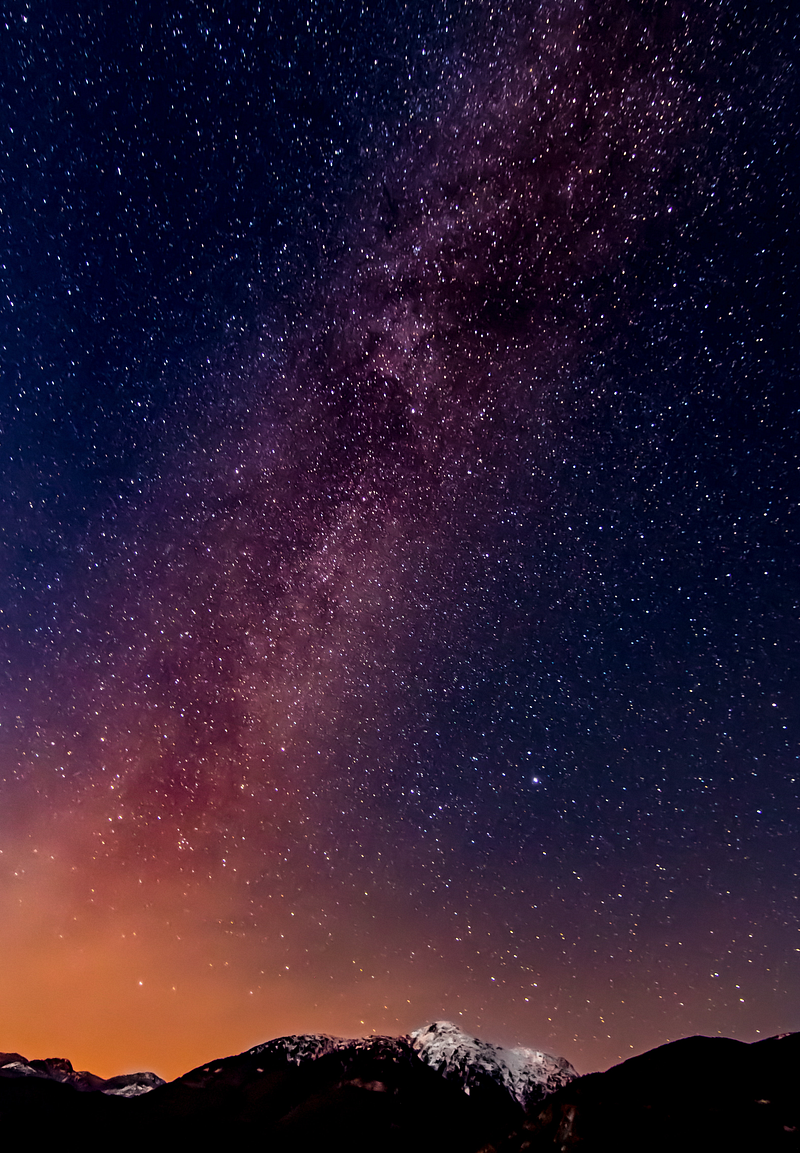
"Pas de Deux" is presented as a poetry challenge piece, evoking the image of a cosmic dance where Einstein and stardust whirl through rays of light, moving at a pace beyond Gershwin's musical reach. The poem paints a picture of two entities, a "pale blue she" and a "Navy he," engaging in a dance that transcends time and space, becoming one with the October sky. The dance is described in terms of color and motion, with the dancers resting on the horizon, their breath synchronized with the rhythm of the universe. The poem also alludes to the raw energy of creation, likened to a volcanic eruption, yet contained within its own form. The dancers, now described as "turquoise she and cyan he," blend together, forming a single entity that whispers the potential of all human endeavor, from the ancient tales of Gilgamesh to the renaissance genius of Da Vinci, and even to the personal identity of the speaker.
Opinions
- The poem suggests a reverence for the beauty and mystery of the cosmos, as well as the potential for human achievement.
- There is an underlying theme of unity and harmony, as disparate elements like light, color, and historical figures are woven into a single dance.
- The author appears to hold a view that creativity and existence are intertwined, with art reflecting the dynamics of the universe.
- The repeated reference to "pas de deux," a ballet term for a dance duet, implies a deep connection between the entities described, possibly reflecting the interplay between different aspects of the self or the world.
- The poem conveys a sense of awe and respect for the legacy of past civilizations and thinkers, suggesting that they are part of the ongoing dance of life and innovation.