
Seeing With Double Vision: Are You Holding Up One Finger or Two?
Going to Dr. Bass, The Strabismus Specialist
The eye patch did nothing to stop my double vision. Then, a year later, while everyone else was doing after-school sports, I was in (drum roll, please) … eye training. Hardly worked. At all.
What can we try next?
We were referred to Dr. Bass in New York City. Try saying that five times fast: Dr. Bass was a strabismus specialist.
A gentleman with thinning white hair and blue eyes, he held his hands together in prayer, or Namaste, position when he spoke. He suggested surgery at Columbia-Presbyterian Hospital.
“When should we do it?” asked my mother. Meanwhile, I sat quietly in the ophthalmic chair. Everything looked blurry. He had put in long-lasting eye drops that erased the definition of all objects.
“I have an opening in my schedule tomorrow,” said Dr. Bass from his desk. “Shall I tell them Bonni will take the spot? You would have to leave for the hospital right now so they can get her prepped for surgery in the morning.”
With no hesitation, my mother said yes. I didn’t even have a nightie!
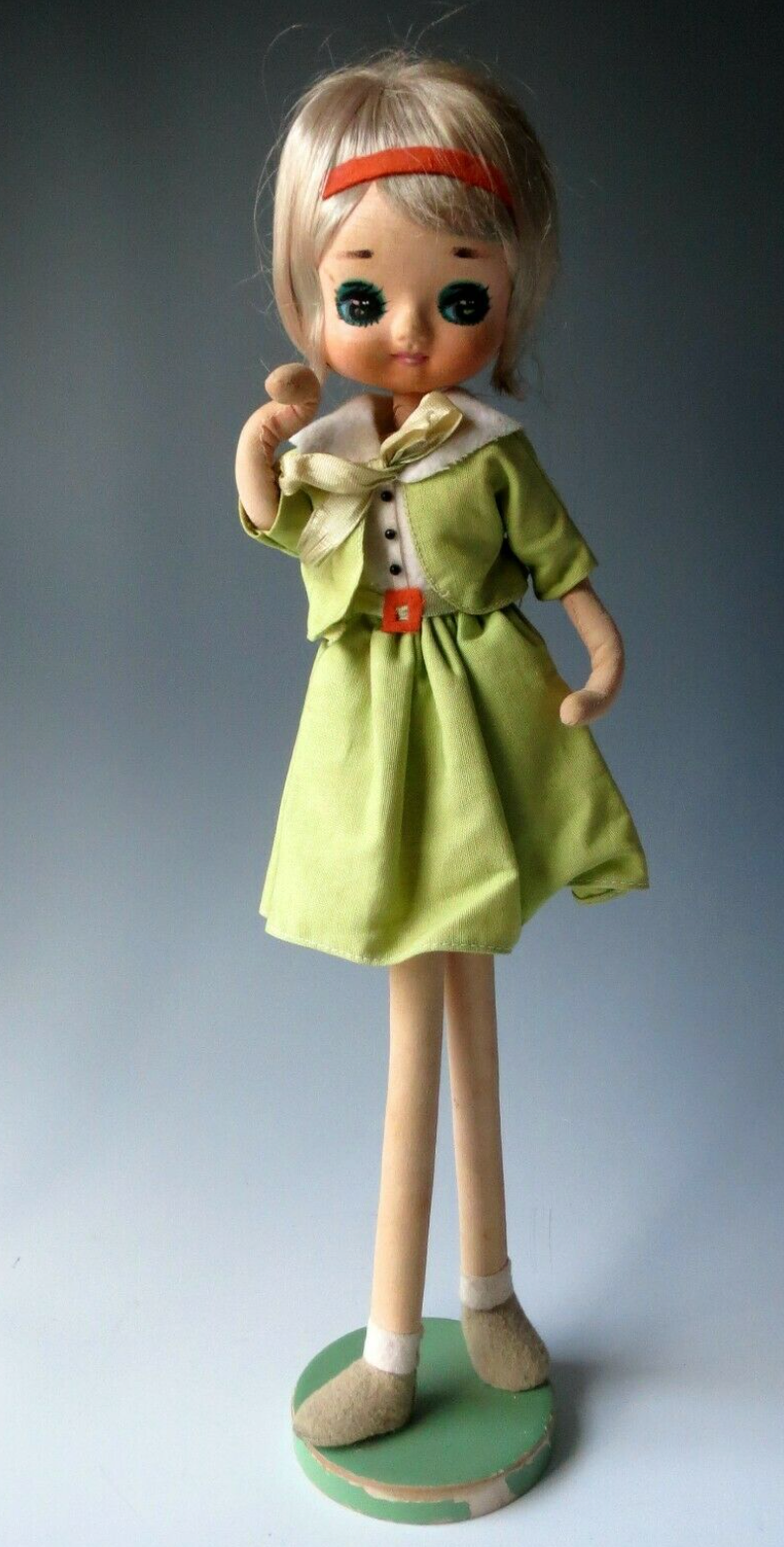
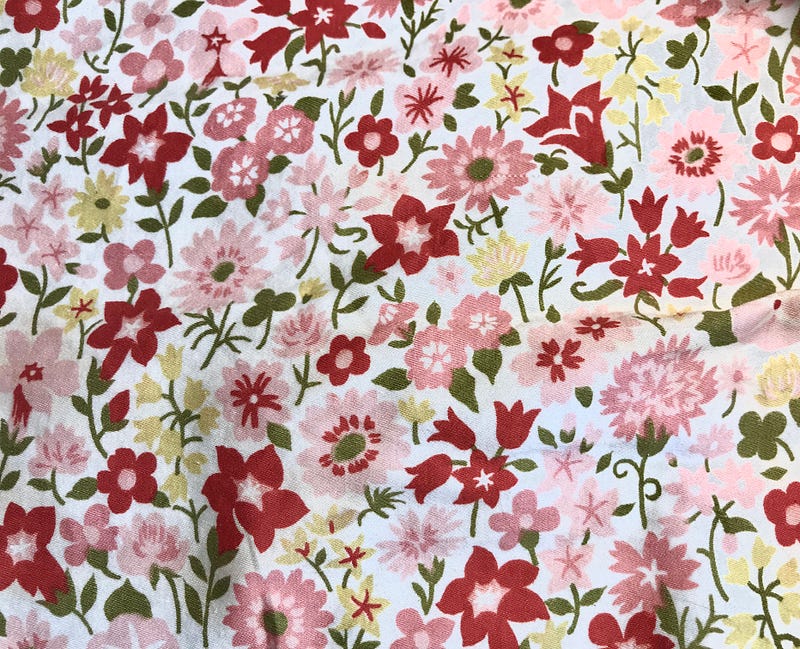
We took a cab to B. Altman and Company, on 34th Street and Madison, where wooden slat escalators took us to the girls’ floor. I got a nightie with a flowery fabric, and a doll with extremely long legs, like sticks. She was wearing a green dress and had large open eyes. I can’t even remember her name because we never bonded. This doll was stark opposite from my squatter and chubbier Chatty-Cathy, but I supposed she could keep me good company while in the hospital.
After checking into the pediatric unit, nurses in white dresses and nurse’s caps showed me my “room”: a small, curtained area with a grey metal single bed, a grey metal cabinet, and a grey metal chair was next to the bed.
It was another far cry from my cozy bedroom at home, which had garden-y wallpaper and, to simulate grass, a green shag rug. (Hey, it was the ‘60s.)
When it was time for my mother to leave, she kissed and hugged me. This would be the very first time I had been away from my parents in this kind of setting. I felt abandoned and was inconsolable. At dinnertime in the pediatric wing, all of the children sat around a table. I was still crying.
A nurse tried to comfort me by saying my parents would be there tomorrow. I still couldn’t eat the string beans. They got stuck in my throat.
The nurses took dinner away, and we all played cards at the same table. But it wasn’t a distraction. My feelings of sadness and being alone didn’t go away, especially when I played one-on-one Go-Fish with a girl named Helen. She had a thick, white bandage over one eye. A nurse hurried me away suddenly when blood began to drip from under the bandage. (When I was much older, my mother told me that Helen had died of eye cancer.)
The pediatric unit looked out over a parking lot. It was still light as I gazed out the window. It was the end of the day. People were walking to their cars and driving away. Soon the parking lot was empty. I wanted to remind myself to feel free when outside the hospital. I hugged my doll tightly.
That night, the sounds of the city were never-ending. Horns were blaring. Traffic whirring by. A siren in the distance. It was the first time I slept in New York City, and it was true: the city never slept.
A nurse came into my “room” with a large steel needle filled with ether. She held it up, asked for my right leg, and shot it with this strange liquid that would put me to sleep for hours.
When I awoke from the operation that would hopefully straighten my eyes, I was dizzy and “bummed it,” as the nurse called throwing up. When she picked up my head to put a towel underneath it, I noticed a round, multi-colored tin of hard candy balls next to my bed on the metal cabinet. It was a gift from my father.
After the operation, my eyeballs were a fierce, bright red from popped vessels. I was given a pair of round dark sunglasses in a clear frame to protect my eyes from strong sunlight. I thought they made me look hip, like Helen Keller.
Cosmetically, my eyes now looked straighter. But, alas, nothing changed. I still had double vision.
Bonni Brodnick is the author of POUND RIDGE PAST, a contributor to HuffPost and Medium, and a former editorial staffer at Condé Nast Glamour and House & Garden. She has written scripts for Children’s Television Workshop, was a weekly newspaper columnist, and editor of two academic mags. Bonni is a member of Pound Ridge Authors Society and has a blog (bonnibrodnick.com). She is also a proud Stroke Survivor.
Read more of my writing:

Read every story from Bonni Brodnick (and thousands of other writers on Medium).
Your membership fee directly supports Bonni Brodnick and other writers you read. You’ll also get full access to every story on Medium. (It’s only $5 a month … give it a go!)


