
PARSLEY: Unveiling the Hidden Tapestry of an Ancient Herbs.
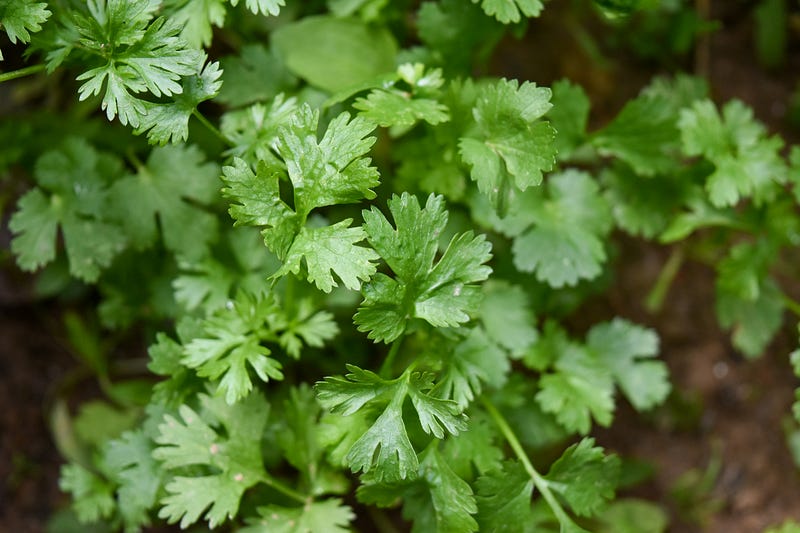
Introduction: In the bustling world of culinary delights, one herb stands out as a timeless staple — parsley. Often relegated to the role of a garnish, parsley carries a rich tapestry of history, culture, and health benefits that extend far beyond its modest appearance. Join me on a comprehensive exploration as we unveil the multifaceted journey of parsley, from its ancient symbolism to its modern recognition as a super food.
Historical Significance and Symbolism: Our journey begins in the annals of history, where parsley wasn’t just a kitchen companion but held profound significance in ancient rituals and ceremonies. The Greeks adorned victors with parsley wreaths, signifying triumph and celebration. Romans believed in its protective properties, weaving parsley into funeral wreaths to ward off evil spirits. This symbolism extended to medieval times, where parsley adorned banquet halls, representing festivity and abundance.
Culinary Evolution: As we traverse time, parsley undergoes a remarkable culinary evolution. From its origins in Mediterranean cuisine to its integration into diverse global dishes, parsley has become a culinary chameleon. Its delicate, fresh flavor enriches soups, salads, and sauces. In the Middle East, tabbouleh celebrates parsley’s vibrant notes, while in Italian cuisine, gremolata showcases its ability to enhance the flavors of roasted meats.

Nutritional Composition: Delving deeper, we uncover the nutritional goldmine that parsley conceals within its leaves. Bursting with vitamins, minerals, and antioxidants, parsley emerges as a nutritional powerhouse. Its rich vitamin K content supports bone health, while vitamin C and antioxidants contribute to a robust immune system. This seemingly simple herb becomes a potent ally in our journey towards holistic well-being.
Parsley in Traditional Medicine: Beyond the kitchen, parsley has played a vital role in traditional medicine. Ancient healers recognized its digestive properties and used it to alleviate ailments. Modern scientific research aligns with these historical practices, revealing parsley’s anti-inflammatory and detoxifying properties. The herb that once adorned banquet tables emerges as a medicinal elixir, standing the test of time.
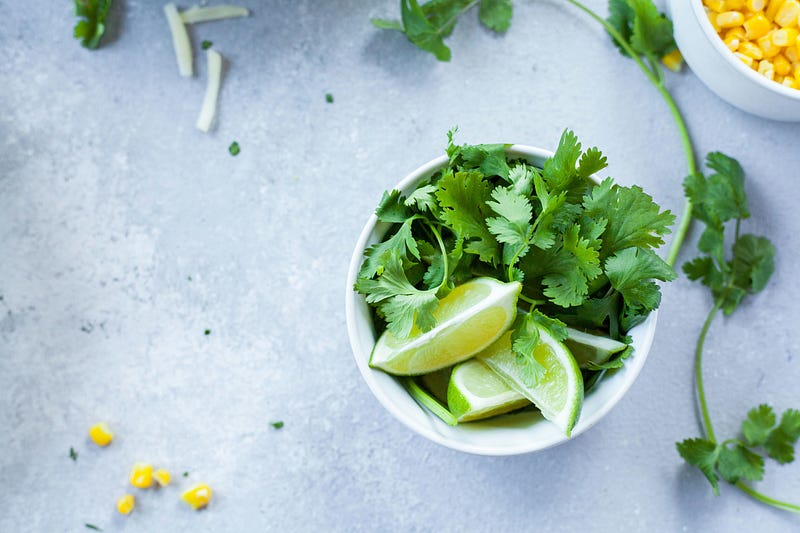
Cultivation and Varieties: For those eager to embrace parsley in their gardens, cultivating this herb proves to be a rewarding venture. A resilient plant, parsley thrives in well-drained soil and sunlight. Whether opting for the robust flat-leaf or the delicately curled variety, cultivating parsley becomes a journey of nurturing, patience, and a connection to the earth. Home gardeners find solace in the rhythmic dance of parsley leaves swaying in the breeze.
Modern Scientific Research: In the laboratories of today, parsley continues to captivate researchers. Recent studies shed light on its potential applications in modern medicine. With ongoing investigations into its therapeutic properties, parsley becomes more than a flavor enhancer — it becomes a subject of scientific curiosity, hinting at possibilities yet to be unveiled.
Culinary Traditions Around the World: Our exploration takes us to the heart of various culinary traditions, where parsley becomes a cultural bridge. From the herby chimichurri in Argentina to the zesty persillade in French cuisine, parsley emerges as a thread woven into the fabric of global gastronomy. Its ability to adapt and complement diverse flavors showcases parsley’s universal appeal.
Parsley in the Arts: Beyond the kitchen and garden, parsley finds a place in the realms of art and culture. Poets have penned verses inspired by its vibrant green hues, and painters have immortalized its delicate leaves on canvas. The symbolism associated with parsley in artistic expressions transcends the tangible, inviting us to perceive the herb through a different lens.

Parsley in Ethnobotany: In the embrace of indigenous communities, parsley takes on unique roles. Ethnobotanical practices reveal ancient wisdom, where parsley becomes intertwined with rituals, ceremonies, and daily life. Through the lens of ethnobotany, parsley transforms into a conduit connecting generations and preserving cultural heritage.
Sustainability and Parsley Farming: As our exploration draws to a close, we turn our gaze to the sustainability of parsley farming. Embracing eco-friendly practices ensures the longevity of this precious herb. Sustainable harvesting methods and the adaptability of parsley to various climates highlight its potential as a resilient and valuable agricultural resource.
Conclusion1
In concluding our journey through the layers of parsley, we find that this seemingly unassuming herb possesses a depth and richness that extends far beyond its role as a garnish. From ancient symbolism to modern super food, parsley stands as a testament to the interplay of history, culture, and science. As we incorporate parsley into our kitchens, gardens, and cultural narratives, we partake in a timeless dance with an herb that continues to enchant and nourish.