
Parren J. Mitchell, Etched in Stone
Black Baltimore Rising
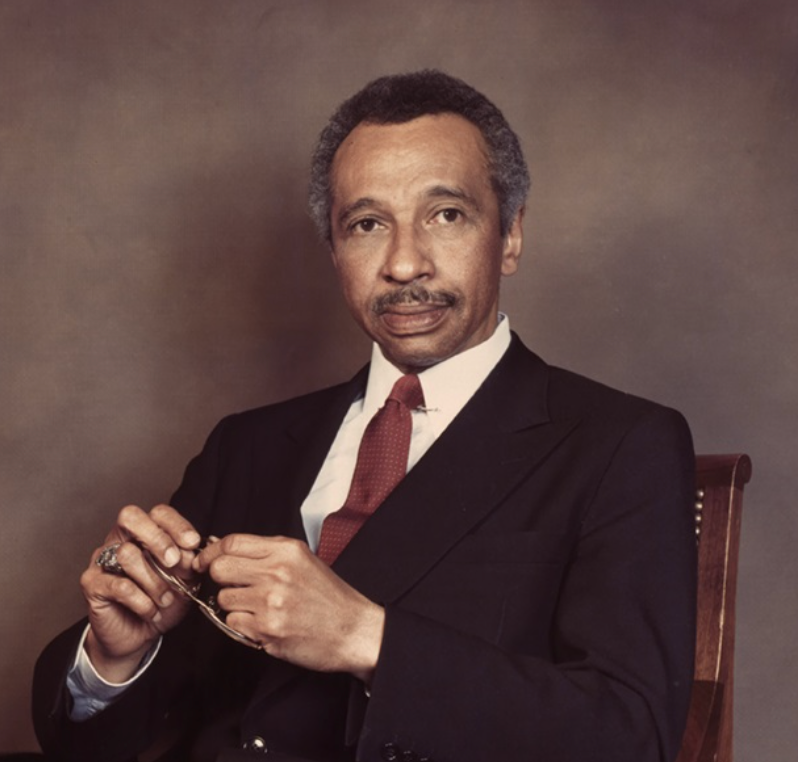
When I was advised that my lectures for my Law and Society class were in the Parren J. Mitchell Building on the campus of the University of Maryland, I got pretty psyched.
I immediately told my colleagues that those of us from the Washington D.C. area who knew of Mitchell, call him “the” Parren Mitchell. That is the respect Mitchell gets as a trailblazer, public servant, and civil rights activist.
Parren James Mitchell was born in Baltimore, Maryland on April 29, 1922. He attended Frederick Douglass High School in Baltimore (same school my father attended) and graduated in 1940. He served in the U.S. Army in World War II and upon his return from service graduated from Morgan State University in Baltimore in 1950, with honors.
While Mitchell wanted to attend the University of Maryland’s Graduate School, he was denied admission because of Jim Crow education in the Maryland system of higher education. But, Mitchell, from a family of proud, strong people, did not let it go. He decided to fight.
With the encouragement of family, and then NAACP-LDF counsel, Thurgood Marshall, Mitchell sued the University for admittance to the university. It was one of the many lawsuits brought by the NAACP-LDF back then to change the country and end America’s apartheid system.
Mitchell was admitted to the University of Maryland as a result of his lawsuit and received a Master of Arts degree in Sociology from the university in 1952 with honors. Mitchell was the first African American to receive a Graduate degree from the University of Maryland.
It was a big victory for Mitchell and for so many others who would enter the school and be educated. It was a triumph over racism. Years later, Mitchell would reveal his view of the fight against racism that would be part of his life’s work.
“If you believe in fighting racism, you make a commitment for the rest of your life. There’s no getting off that train.”
Mitchell would live those words and do it his way. After teaching at Morgan State and after working as a public servant for many years, and as a civil rights activist, Mitchell entered politics. He was eventually elected to the U.S. Congress, House Representative to Maryland’s 7th District in 1970. Mitchell was the first Black person elected to Congress from the state of Maryland.
Shortly thereafter, Mitchell became one of the original founders of the Congressional Black Caucus (CBC) back when the organization was much more strident than it is today.
One of the first acts of the CBC was to demand a meeting with then-President Richard Nixon. Nixon hesitated to grant such a meeting. Mitchell called for a boycott of Nixon’s State of the Union Address in 1971.
Later, when President Ronald Reagan brazenly invaded the tiny island of Grenada, Mitchell led an effort to impeach Reagan. While the move was symbolic in nature, it did send a message that the invasion of Grenada by American troops was an act of imperial aggression that many Americans opposed.
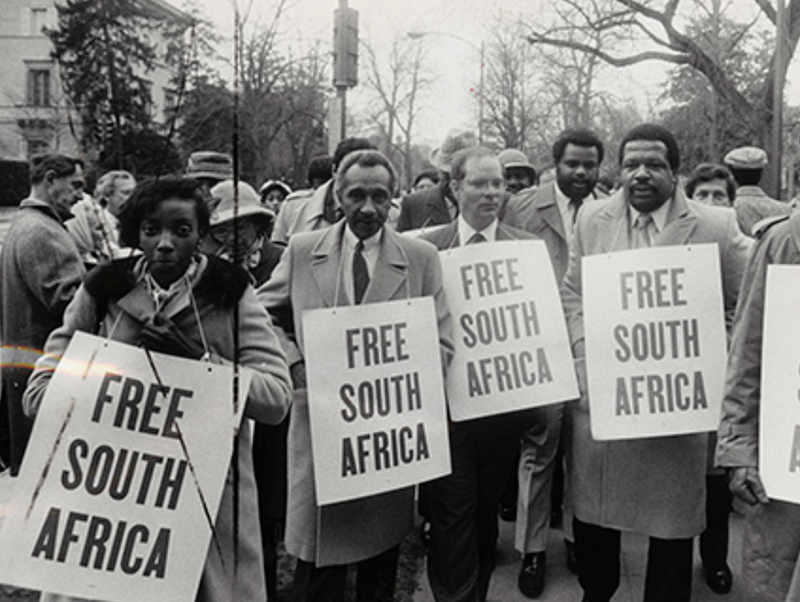
Mitchell was one of the first Congresspersons to call for the impeachment of President Richard Nixon in October 1973 for his Watergate crimes and he was also involved in the support and passage of the Comprehensive Anti-Apartheid Acts of 1986, one of the key laws which brought down the white-dominated regime in South Africa.
Mitchell was a champion and supporter of affirmative action throughout his career and opportunities for small businesses owned and operated by people of color. It was one of his hallmarks throughout his career to insist upon support for these businesses through government loans and grants.
Mitchell was also a champion of the poor in his work as he heavily criticized the Reagan administration for taking budget funds that would help the poor to give rich people tax breaks and to increase defense spending without a need. When he retired from Congress in 1986, naturally he spoke up for the poor people of America:
“Those who are poor are generally treated with contempt. The concerns of minorities are no longer the concerns of this Congress….”
Today, the University of Maryland, the school he had to sue to enter, has not only named a building in Mitchell’s honor for his life’s work but the Department of Sociology has held symposiums named after Parren Mitchell. Using Critical Race Theory as its foundation, the Critical Race Initiative at the University of Maryland continues to be held every year through the school’s Department of Sociology.
The life and work of Parren J. Mitchell live on.